
 Image Source: Pexels
In the heavy-duty world of rigging, metal lifting slings stand as a trusted ally for professionals who demand both strength and reliability on the job site. These essential tools are not just another piece of equipment—they are the backbone of safe, efficient material handling in some of the most demanding industries. From construction sites to shipyards, fabrication shops to manufacturing floors, metal slings are valued for their ability to bear tremendous loads without compromise. But what exactly makes them the go-to choice for industry experts? Let’s explore why seasoned riggers swear by metal lifting slings and how they can make all the difference in your operations.
Understanding What Metal Lifting Slings Are
Before exploring their advantages, it’s essential to understand what metal lifting slings are. These slings, typically made of alloy steel chain, wire rope, or metal mesh, are engineered for heavy-duty lifting applications. They are specifically designed to handle rugged environments and can withstand harsh conditions, including high temperatures, sharp edges, and repeated usage without showing signs of fatigue. Unlike synthetic slings, which can tear or degrade under extreme stress, metal slings maintain their integrity and withstand even the toughest jobs.
Why Strength and Durability Matter in Lifting
One of the main reasons professionals prefer metal slings is their exceptional strength-to-weight ratio. These slings are capable of lifting several tons of material with minimal risk of failure. In industries where safety is non-negotiable, using a lifting sling that won’t snap, fray, or melt under pressure is crucial. Metal slings are built to last, often outliving synthetic alternatives by years. Their durability makes them a cost-effective investment in the long run, saving businesses from the need for constant replacements and potential downtime.
Types of Metal Lifting Slings and Their Unique Applications
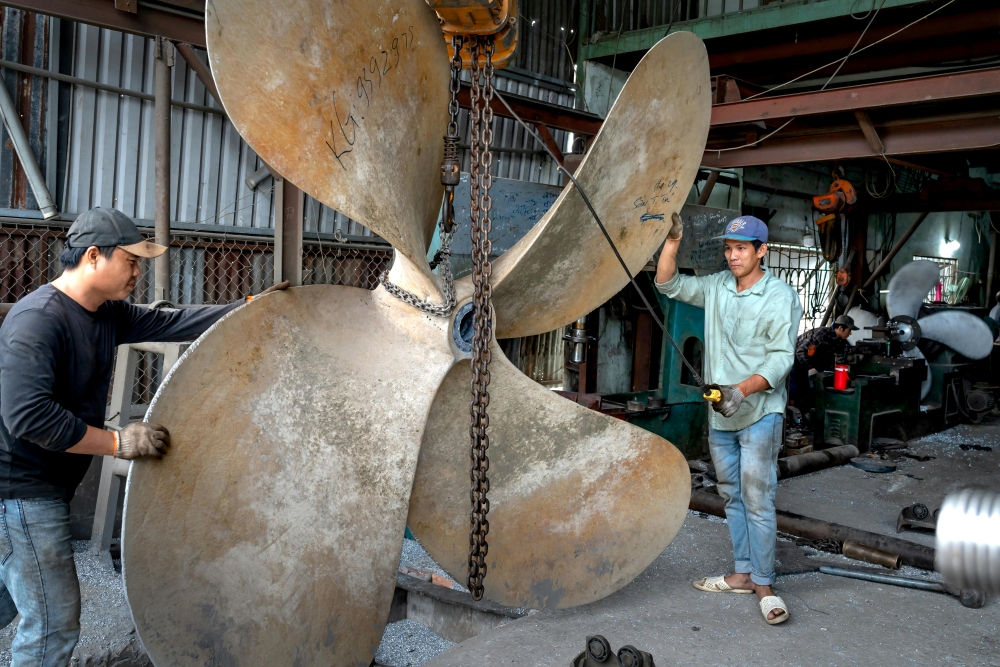
There isn’t a one-size-fits-all solution when it comes to metal lifting slings. Professionals choose between chain slings, wire rope slings, and metal mesh slings depending on the application. Chain slings are renowned for their flexibility and ability to accommodate irregular loads. They’re often used in steel mills and foundries where heat and heavy impact are part of the daily routine. Wire rope slings, on the other hand, offer excellent strength and are ideal for lifting applications requiring stability. Metal mesh slings, while less common, provide load balance and are ideal for lifts involving smooth or fragile surfaces that need grip without deformation.
Safety Benefits That Come Standard with Metal Slings
When it comes to safety, metal slings provide a significant advantage. They are resistant to cuts, abrasions, and high temperatures, which makes them reliable in high-risk environments. Furthermore, metal slings are less prone to sudden failure because signs of wear, such as stretching, cracking, or corrosion, are typically visible before a complete breakdown occurs. This makes inspection and maintenance more straightforward, allowing for proactive replacement before accidents occur. Knowing that your sling will give you warning signs before it fails is peace of mind every operator appreciates.
Inspection and Maintenance Best Practices
While metal slings are built tough, they’re not indestructible. Routine inspections play a crucial role in maintaining equipment reliability. Trained personnel should regularly check for stretching, wear at the link connections, rust, and any signs of fatigue. If a chain link is bent or cracked, or if a wire rope has broken strands, it must be removed from service immediately. Proper storage also helps extend the life of metal slings. They should be kept off the ground, away from moisture, and in designated rigging areas when not in use to prevent unnecessary corrosion or damage.
How to Choose the Right Metal Sling for the Job
Not all lifting operations are created equal, and choosing the right sling for your specific load is essential. Factors like load weight, shape, temperature, and frequency of use all play a role in determining the best metal sling. For example, a single-leg chain sling may be sufficient for light, balanced loads, while a four-leg sling may be necessary for heavy, uneven cargo. Understanding working load limits (WLL) and how they change with different angles of lift is crucial to choosing a safe and effective configuration.
Load Control and Balance with Metal Slings
Another reason pros swear by metal slings is the control they offer during a lift. Whether you’re rotating a steel beam or lifting a large engine block, metal slings provide a secure grip and predictable movement. The rigidity of metal components means there’s less risk of twisting or snapping during complex lifts. With the right hitching method—whether vertical, choker, or basket—metal slings can be positioned to evenly distribute weight evenly, reducing the chances of shifting loads and unstable lifts.
Heat and Chemical Resistance Where Others Fail
In environments where extreme temperatures or corrosive chemicals are present, metal lifting slings stand apart. Synthetic slings can melt or degrade rapidly under such conditions, while alloy steel and treated wire ropes maintain their strength. Metal slings can also be coated or galvanized to resist rust and chemical corrosion, providing an additional layer of protection when lifting in particularly hostile environments.
Compliance with Industry Standards and Regulations
Using metal slings also helps ensure compliance with OSHA and ASME safety standards. Because these slings are easy to inspect and grade, they allow rigging supervisors to meet documentation and reporting requirements more effectively. Most metal slings come with permanently attached identification tags that detail their load capacity, configuration, and material type—another key element that simplifies inspections and satisfies regulatory expectations.
The Long-Term ROI of Choosing Metal Lifting Slings
While the upfront cost of metal slings may be higher than that of their synthetic counterparts, the return on investment is undeniable. Their extended service life, reduced downtime, and minimal risk of failure mean fewer replacements and a safer work environment. For professional riggers and business owners alike, that translates to real savings—not just financially, but in productivity and peace of mind.
When it comes to dependable lifting in tough environments, metal lifting slings continue to set the standard for safety, strength, and long-term value. Trusted by professionals who can’t afford mistakes, these slings offer the durability and control needed to handle the heaviest, most demanding loads with confidence. Their ability to withstand harsh conditions while maintaining performance makes them a vital component of any serious rigging operation. If you’re ready to upgrade your lifting game with tools built to last, check out SlingSmarter for top-quality options that pros rely on every day.
Do you know someone who might enjoy this article or would find it useful? Share it!