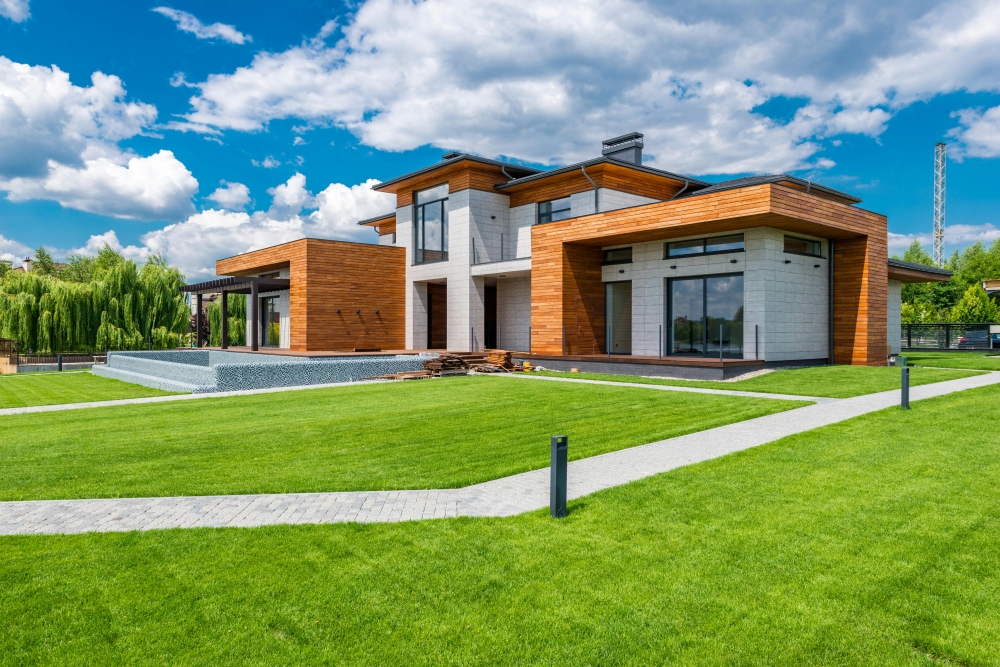

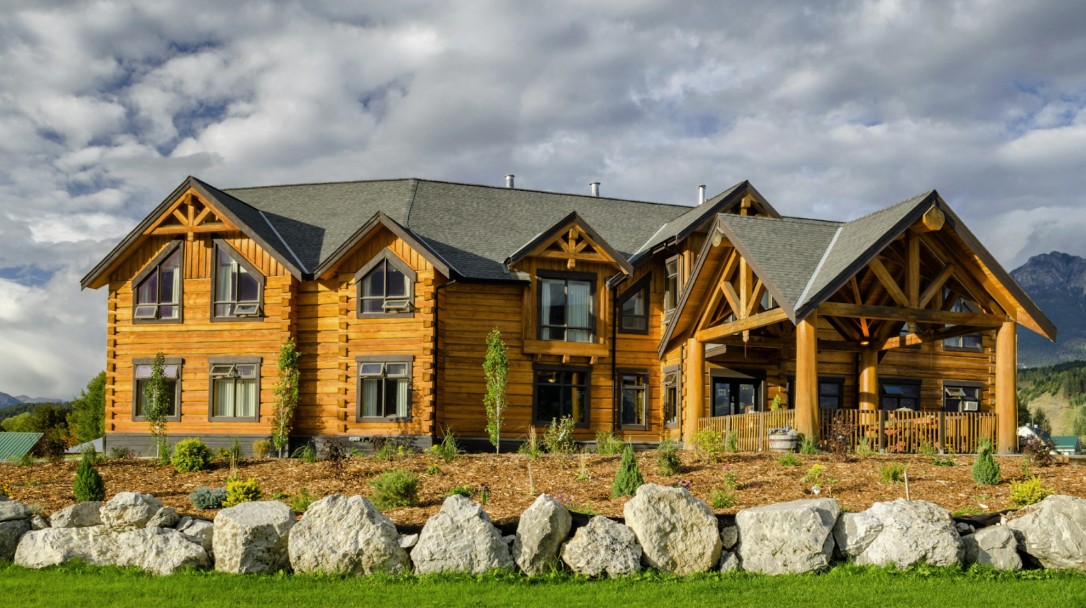
What is the price of a log home construction? Millions of homeowners are fascinated by this question because they dream of an opportunity to live in a rustic way, living close to nature. An average cost is between 125 to 400 per square foot, and in the majority of homeowners, a log home project is between 200,000 to 800,000. Nevertheless, these prices can be shaped by many factors and it is important to learn about each cost factor before taking this phenomenal ride.
Constructing a log home is one of the most rewarding yet challenging projects you can take on. Whether it’s a cozy retreat in the mountains or a spacious family residence, it’s essential to understand the financial investment upfront to avoid unexpected expenses. Professional construction estimating services provide a clear breakdown with accurate pricing, helping you create a budget that aligns perfectly with your vision right from the early planning stages.
Log houses have more than beautiful looks. These buildings have outstanding insulation capability, eco-friendliness and classic appeal that makes them costly to replace. Nevertheless, the peculiarities of the construction and special materials demand appropriate financial calculations to succeed in the project.
Knowing the Log Home Construction Costs
Average cost by home size is shown below.
Building log homes are predictable in terms of prices depending on their square area and the complexity. The following is what the homeowners usually spend on the various size categories:
- Small log homes (800-1,200 sq ft): $100,000-$480,000
- Medium log homes (1,200-2,000 sq ft): $150,000-$800,000
- Large log homes (2,000-3,000 sq ft): $250,000-$1,200,000
- Luxury log homes (3,000+ sq ft): $375,000-$1,600,000+
These numbers include material, labor, permits, and site preparation but the particular situations can take costs much more or much less than these base estimates.
Log Home Kit vs. Custom Build Costs
Ready-made log home kits are sold as materials (between 50 to 150 per square foot) only and also as custom-designed log homes (between 200 to 400 per square foot finished). The kit method saves on initial expenses but will need a lot of extra investment in foundation, utilities, finish, and assembly service.
Log Home Kit Advantages
- Uniform designs save on planning time.
- Costs are reduced by the purchase of bulk materials.
- Pre-cut parts are used to fit well.
- Assembly instructions are detailed
- Included assembly instructions.
Custom Build Benefits
- Endless design capability.
- On-site optimizations.
- Quality selections of materials.
- Customized architecture.
Primary Cost Factors

Varying quality and type of logs will be used based on their applications within the industry.
The choice of logs has a huge effect on initial cost and performance in the long-term. The species provide different features, which influence the prices, longevity, and the maintenance needs.
Popular Log Types and Costs
- Eastern White Pine: 15 to 25 per sqft.
- Western Red Cedar: 20-35/ sqft.
- Douglas Fir: $18-$30 per square foot
- Northern White Cedar: $25-40/per sq ft.
Premium logs that have few defects and with uniform diameter, as well as the appropriate moisture content are priced high but provide better performance and looks.
Construction Method Impact
The way logs are built is a major factor in the expenses of labor and project schedules. All strategies have different benefits and expenses.
Artisanal log homes have to be made by craftsmen who carve each log at a time. It is more expensive (200-400 per square foot) but produces individual art-creative buildings with outstanding character.
Milled log homes are processed using machine-cut logs that have regular sizes and interlocked profiles. Prices are priced between 125 and 250 dollars per square foot and offer quick construction at a consistent quality standard.
Timber frame construction is the system that incorporates log posts and beams in addition to the standard wall systems. This mixed method is more expensive at $150-300 per square foot and gives a higher design capability.
Preparation and Foundation Costs at the Site
What is the cost difference between handcrafted and milled log home? Steep slopes, rocky terrain, or soil conditions add a lot of costs to the excavation and foundation costs.
Foundation cost factors:
- Full basement: $15,000-$35,000
- Crawl space: $8,000-$18,000
- Slab foundation: $5,000-$12,000
- Pier and beam: $10,000-$20,000
Remote sites need extra attention on access to utilities, road building, and material delivery issues that may increase base costs by 20-40%.
Detailed Cost Components
Material Costs Breakdown
Log home materials will typically comprise 40- 50 percent of the project cost.Other than the logs themselves, there are many specialized constituents that make up the overall investment.
Essential Material Costs:
- Log shell and lumber: $30,000-$80,000
- Roofing materials: $8,000-$25,000
- Windows and doors: $12,000-$35,000
- Insulation and chinking: $5,000-$15,000
- Interior finishes: $25,000-$75,000
The superior price of high-quality materials is justified by their superior durability, energy saving, and style that will not lose value in several decades.
Labor and Professional Services
Labor and Professional Services: This is a labor intensive industry, which helps in economic gains.
Proficient construction of a log home needs a special type of expertise that attracts high labor fees. Professional contractors know about special difficulties and can offer better outcomes in accordance with the investment.
Professional Service Costs:
- General contractor: 15-25% project.
- Log home specialist: $75-$125 per hour
- Skilled craftsmen: $45-$85 per hour
- Specialty trades: $50-$95 per hour
Geographic location greatly influences availability of labour and cost, as remote locations tend to demand travelling allowance and accommodation of skilled labour.
Permits and Regulatory Compliance
Building permits and inspections serve to provide safety and code compliance but can cause a lot of extra cost in log home projects. The country may be having less complex needs in rural settings whereas the industrialized region will have strict building codes.
Typical Permit Costs:
- Building permits: $1,500-$5,000
- Septic system permits: $500-$2,000
- Well drilling permits: $300-$1,200
- Electrical permits: $200-$800
- Plumbing permits: $150-$600
Cooperation with professional people who are aware of local regulations can avoid unnecessary expenses in terms of delays and provide an unproblematic passage of permits.
Cost-Saving Strategies

Carrying out a construction project is a lengthy and complicated process that needs a well-defined timeline in which each phase is allocated a specific timeframe to finish by the set deadline. A construction project is a complex and long process that requires a clear timeline of events where each activity will be assigned a certain time to complete within the stipulated deadline.
Ebb and flow of demand can provide savings to flexible homeowners. The availability of contractors and materials is usually lower in winter seasons and the construction activity is low reducing their prices.
Best Time Considerations
- 10-20% discounts on late fall bookings.
- Winter construction needs protection against weather.
- No increases in the prices of spring material.
- Summer vacation makes the most out of living.
The Owner-Builder Opportunities
Costs can be lowered by direct participation of the homeowner who has the construction experience in particular phases of the project. Yet, the construction of log homes involves special skills, which necessitates professional supervision.
Suitable DIY tasks:
- Clearing and preparing the site.
- Interior finishing work
- Painting and staining
- Exterior and landscape.
Professional-only requirements:
- Foundation and structural work.
- Sealing and installation of logs.
- Electric and plumbing system.
- Roof and waterproofing.
Value Engineering Approaches
Value engineering approaches are meant to ensure that the company is cost efficient in all tasks and operations that it performs.
With major cost savings, strategic design changes can be implemented with the goal of minimizing the expenses without diminishing the quality or functionality. The collaboration with senior designers reveals the possibilities of intelligent savings.
Cost reduction strategies:
- Roof lines are simplified.
- The customary size of the window reduces cost.
- Open interior floor plans reduce interior walls.
- Mechanical systems are efficient and they lower the cost of installations.
Long-Term Value Considerations
Long-term value considerations are long-term value considerations of the asset or investment under review, in context of the purpose of the fund.
Energy Efficiency Benefits
Log homes offer unmatched thermal mass characteristics that save a lot of money in heating and cooling expenses. These benefits are maximized by proper methods of construction at the lowest expense of energy.
Energy efficiency factors:
- Thermostats: natural insulation properties.
- Thermal mass control of temperature.
- Air tight constructions.
- Passive solar design incorporation.
Maintenance and Repair Expenses
Log houses must be properly maintained in order to maintain looks and stability. Awareness of these costs ensures that the long-term costs of ownership are budgeted.
Annual requirements of maintenance:
- Log inspection and cleaning: $500-$1,500
- Staining and sealing: 2,000-8,000 (after every 3-5 years)
- Chinking maintenance: $300-$1,200
- Pest control treatments: $200-$600
Resale Value Potential
Well constructed log homes are highly resaleable, especially in a desirable location. Character and artisan is another aspect that attracts the attention of buyers who would love to have uniqueness in properties that are naturally charming.
Value enhancement factors:
- Architectural uniqueness.
- Location advantages: premium.
- Good building record
- Good reputation in construction.
- Certification of energy efficiency.
Financing Considerations
There are requirements in construction loans.
The special building techniques and schedule normally necessitate special financing of the log home construction. Construction-to-permanent loans are flexible during the construction of the building.
Financing requirements:
- 20-30% down payment typical
- Construction plans of detail needed.
- Check contractor licensing.
- Frequency checkpoints.
- Payments of interest in construction.
Collaborating with lenders who have worked in the log home financing sector guarantees a hassle free approval process and the right loan structures.
Conclusion
Financial literacy on the cost involved in constructing a log home is the key to making informed decisions when it comes to this great investment in construction. The average expense of log homes is 125-400 per square foot but most homeowners spend between 200,000-800,000 on total log home construction projects that would bring them decades of pleasure and a great property value.
Unless it is well-planned, realistically budgeted, and appropriate professionals are hired to carry out the construction, success is not possible in the field of log home construction. Both manufactured and designed, log homes are substantial financial investments that can pay off in spades with incomparable living conditions no matter the planning.
Wise homeowners find out about several contractors, learn about the differences in costs in the region, and estimate the costs of construction and maintenance in the long term. Investment in professional log home constructions is dividend bearing in terms of improvement in lifestyle value, benefits on energy use and properties that have a high market value across generations.
Log homes are not only about shelter, it is also about the fact that they are connected to the natural world, better comfort and eternal beauty that justifies the high costs of their construction over a lifetime plus the high resale price.
Frequently Asked Questions
How does it take to construct a log home to completion?
The construction of log homes can take 6-12 months to be completed depending on size, complexity and weather conditions. The process will have 2-3 months of planning, permits, 1-2 months of site preparation and foundation, 2-4 months of log shell construction, and 2-3 months interior finishing.
What is the difference in cost between handcrafted and milled log home?
Hand-crafted log homes vary between 200 and 400 per square foot and have individually shaped logs with individual character and artistic features. Logs are processed manually and made by skilled artisans, and take 8-12 months time to construct. Milled log houses are between $125 and 250/square foot when machine-processed logs are used with identical sizes.
Do you know someone who might enjoy this article or would find it useful? Share it!