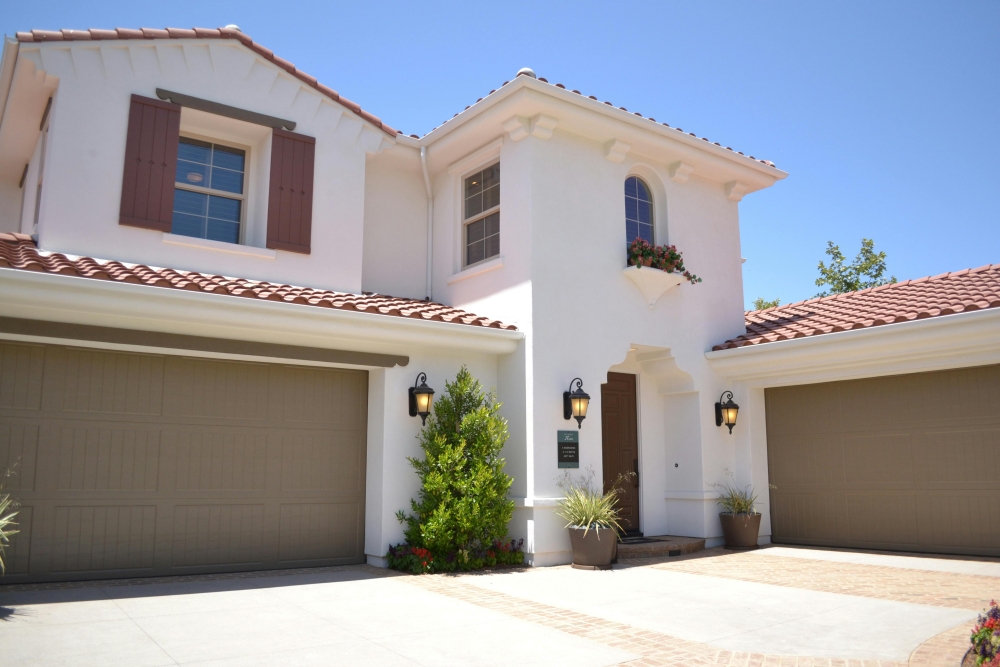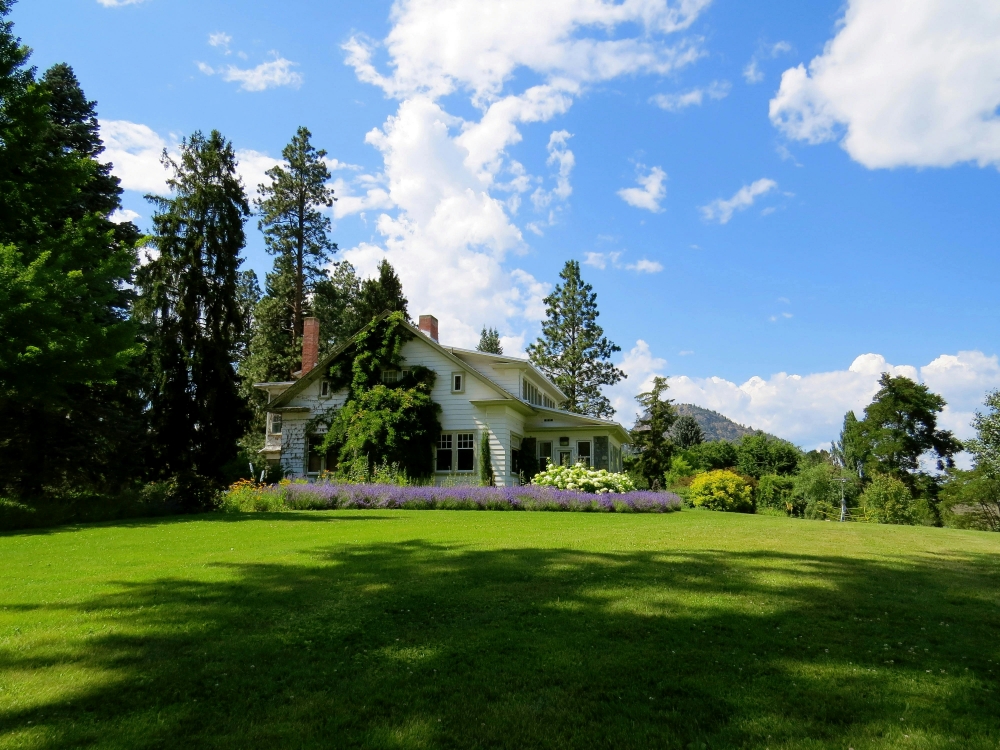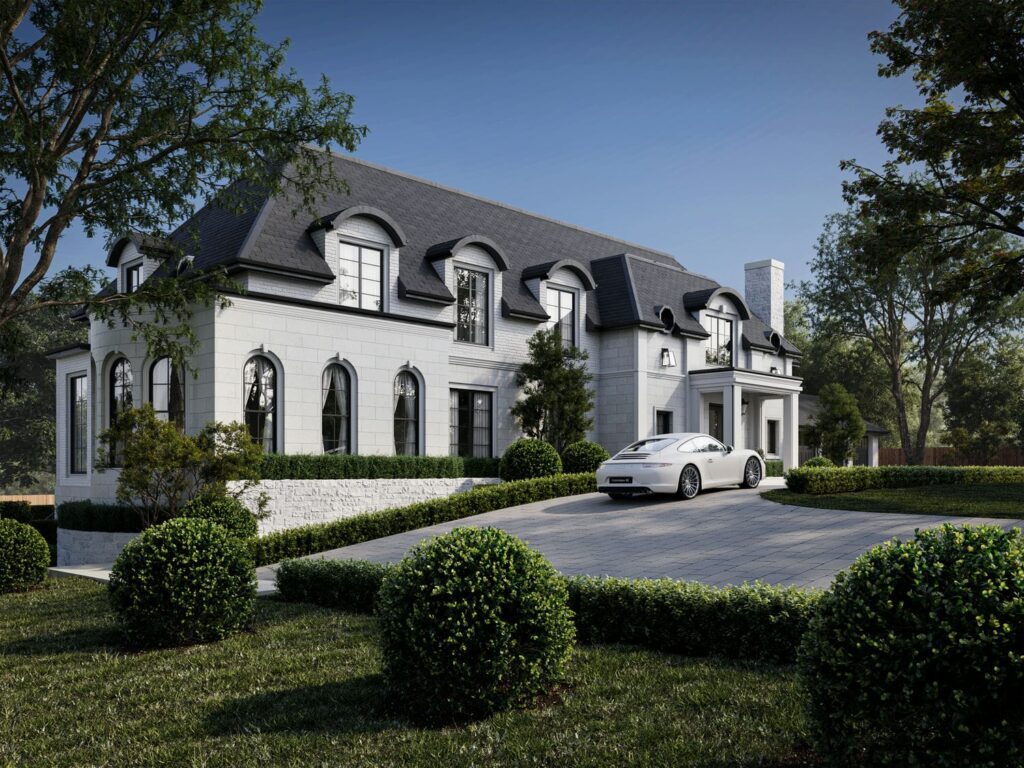

Architecture is often described as the balance between form and function. While architects spend countless hours selecting the perfect cladding, flooring materials, and lighting fixtures, the hardware that secures a building is sometimes treated as a secondary detail. This is a missed opportunity. The entry experience is the first tactile interaction a user has with a structure. The weight of the door, the texture of the handle, and the smooth operation of the lock set the tone for the entire building. For design professionals and homeowners who value aesthetic integrity, security hardware should be viewed as a critical design element rather than just a utilitarian necessity.
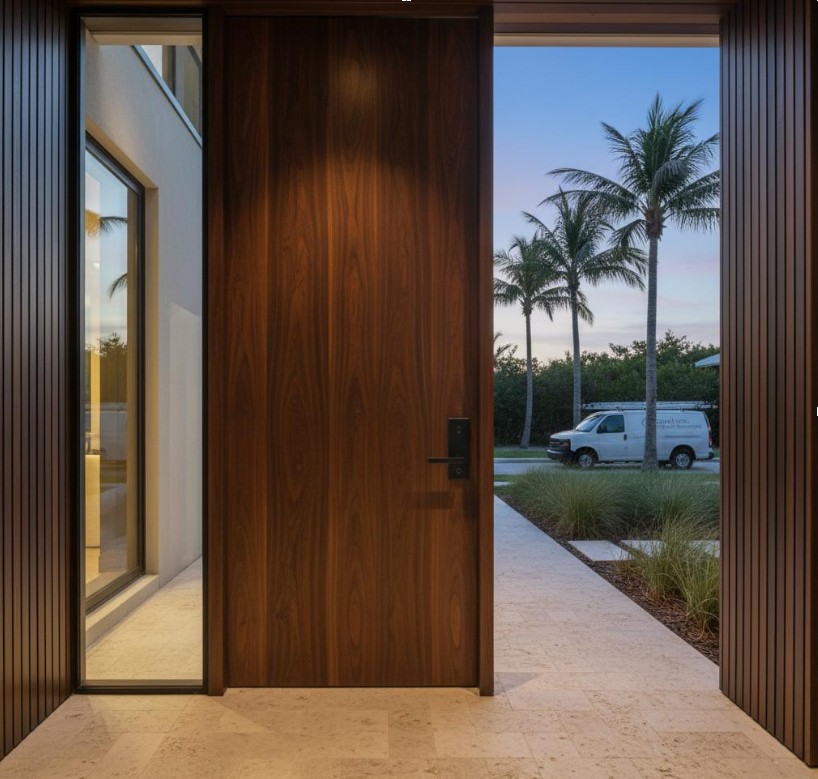 The Tactile Experience of Entry
When a person approaches a building, their eyes scan the architecture, but their hands engage with the hardware. A flimsy lock or a misaligned latch immediately undermines the perception of quality, no matter how expensive the surrounding materials might be. High end architectural projects demand hardware that communicates solidity and precision. This means selecting Grade 1 commercial deadbolts or heavy-duty residential locks that offer resistance and smooth mechanical feedback. The goal is to ensure that the security mechanism feels like a natural extension of the door itself, operating with a quiet confidence that complements the weight of the architectural elements.
Harmonizing Finishes and Materials
In modern design, consistency is key. Mixing metals unintentionally can create visual clutter that distracts from clean architectural lines. Security hardware is now available in a vast array of finishes to match specific design palettes. Matte black hardware pairs exceptionally well with industrial, modern farmhouse, or minimalist white aesthetics, creating a sharp graphic contrast. Satin brass or unlacquered bronze brings warmth to organic modern interiors and ages beautifully over time. Brushed stainless steel remains a staple for contemporary coastal homes, echoing the raw materials of glass and concrete.
The challenge lies in finding high security locks that offer these refined finishes without compromising on strength. Manufacturers have responded to this need by producing heavy duty deadbolts and smart locks that align with trending architectural finishes. This allows the security layer to blend seamlessly into the visual narrative of the home or commercial space, rather than standing out as an awkward add on.
The Invisible Technology of Smart Access
Modern architecture often strives for minimalism and the reduction of visual noise. Traditional keypads with rubber buttons can feel outdated and clunky on a sleek, pivot entry door. The latest generation of smart access control is designed with this in mind. We now see capacitive touchscreens that disappear when not in use, biometric readers that are flush mounted, and locks that house all technology on the interior side of the door, leaving the exterior clean and unblemished.
These systems allow for a keyless lifestyle that aligns with the modern desire for frictionless living. Homeowners can grant access to guests via smartphone, check lock status remotely, and integrate entry events with lighting and climate control systems. For the architect, this means the ability to design entry sequences that are both technologically advanced and visually pure.
Preserving History While Upgrading Security
Renovating historic properties presents a unique set of challenges. The original doors are often non standard sizes, made of dense old growth wood, and feature mortise pockets that do not fit modern cylindrical locks. In regions rich with heritage architecture, such as the areas surrounding St. Augustine, preserving the character of the entry is paramount. A standard big box store lock will look out of place and may require damaging modifications to the original joinery.
Specialized technicians can retrofit modern security internals into vintage style housings or carefully modify antique doors to accept high security hardware without destroying their patina. If you are managing a restoration project or a renovation in a historic district, consulting with a specialized locksmith st augustine expert ensures that the solution respects the architectural history while providing modern protection. These professionals understand how to bridge the gap between 19th century craftsmanship and 21st century security standards.
Resilience in Coastal Environments
Architecture must always respond to its environment. In Florida, this means dealing with salt air, intense UV exposure, and high humidity. These factors are brutal on exterior hardware. Standard zinc die cast locks will pit and corrode within months near the ocean, ruining the aesthetic appeal of the entry. Architects and builders in these zones must specify marine grade stainless steel (Grade 316) or solid brass hardware with PVD (Physical Vapor Deposition) finishes.
PVD finishes are incredibly durable and resistant to tarnishing, ensuring that the hardware looks pristine for years despite the harsh coastal climate. Beyond the finish, the internal mechanics must be kept lubricated and clean. A seized lock due to internal corrosion can result in a lockout that forces destructive entry, damaging expensive millwork. Regular maintenance and correct material selection are vital for the longevity of the design.
Designing Safer Spaces with Expert Support
The intersection of security and design requires a thoughtful approach. It involves more than just picking a lock off a shelf. It requires understanding door geometry, material compatibility, and the daily flow of the people who use the space. Lockey Locksmith LLC brings this level of technical expertise to every project. Whether you are an architect specifying hardware for a custom build or a homeowner looking to upgrade your entry without losing curb appeal, their team provides solutions that are as beautiful as they are secure. By prioritizing quality installation and appropriate materials, they help ensure that your security hardware enhances your architectural vision rather than detracting from it.
Lockey Locksmith LLC
Palm Coast, FL 32164
386-449-9023
lockeylocksmithllc.com
Do you know someone who might enjoy this article or would find it useful? Share it!