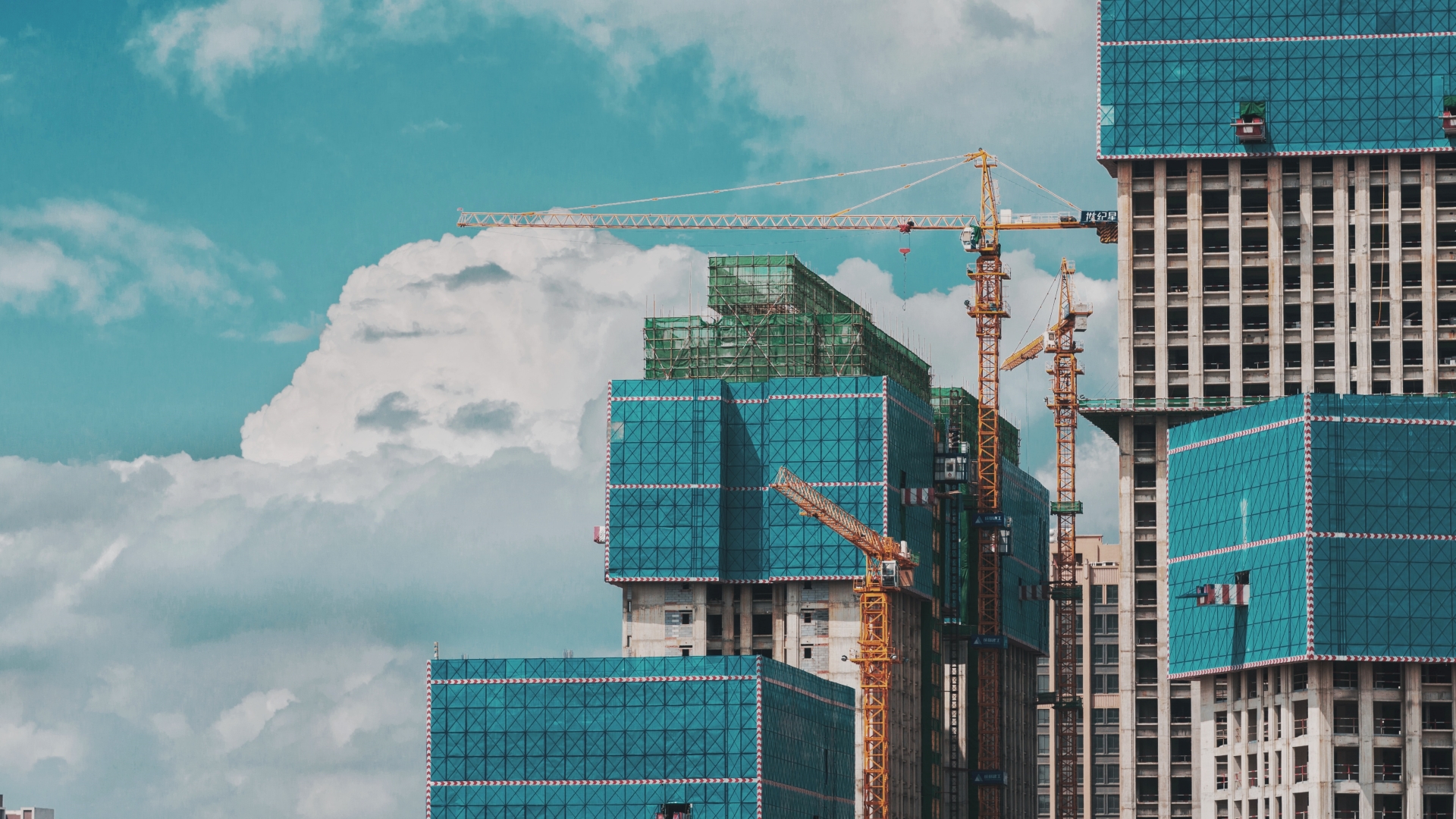

Seattle presents a distinct challenge to the architect and the builder. It is a city defined by aggressive topography, a moist marine climate, and a seismic reality that demands respect. The housing stock is a rich timeline of architectural evolution, ranging from the heavy timber framing of early 20th century Craftsman bungalows to the post and beam optimism of mid century moderns. For the team at Sapir Construction, located just one block from Pike Place Market, renovating these structures is not merely a cosmetic exercise. It is a complex feat of structural engineering and building science.
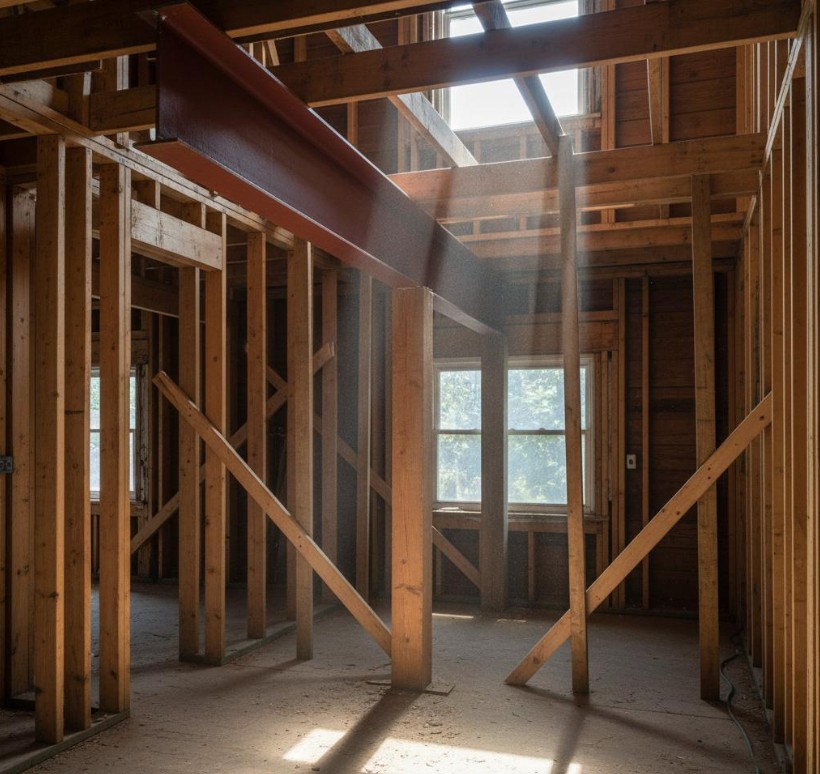 As a design build firm with a heritage spanning over 35 years, we view the home not just as a collection of finishes but as a dynamic system of loads and forces. The current architectural trend favors open plans, vast expanses of glass, and seamless connections between indoor and outdoor living. Achieving this in a house built in 1925 requires a rigorous understanding of load paths. It involves surgically altering the skeleton of the building while ensuring it remains standing for another century.
Redistributing the Load: The Open Concept Challenge
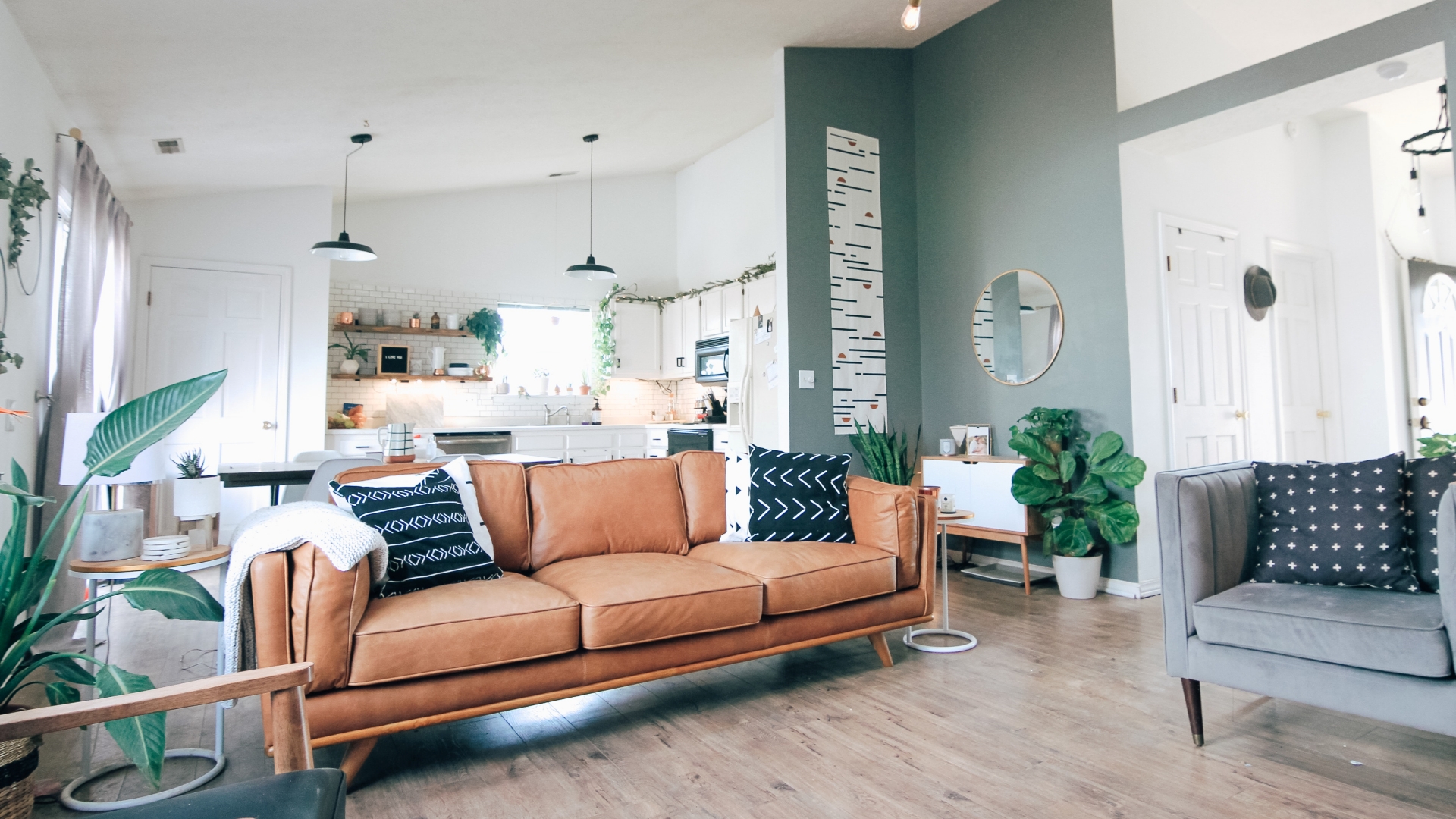
The most common request we encounter is the removal of partition walls to create a unified great room. In older Seattle homes, these walls are often doing significant structural work. They carry the weight of the second story and transfer roof loads down to the foundation. Simply removing them is impossible. The solution lies in the introduction of modern engineered lumber and steel.
We frequently utilize Parallel Strand Lumber or Parallams and steel I beams to span these new openings. Installing a twenty foot steel beam inside an existing wood frame house is a logistical puzzle. It requires temporary shoring towers to hold up the house while the new spine is inserted. The engineering must account not only for gravity loads but also for lateral forces. When we remove the bracing provided by interior walls, we often have to introduce steel moment frames or new plywood shear walls to ensure the house does not rack during a windstorm or earthquake.
The Kitchen as a Mechanical Engine
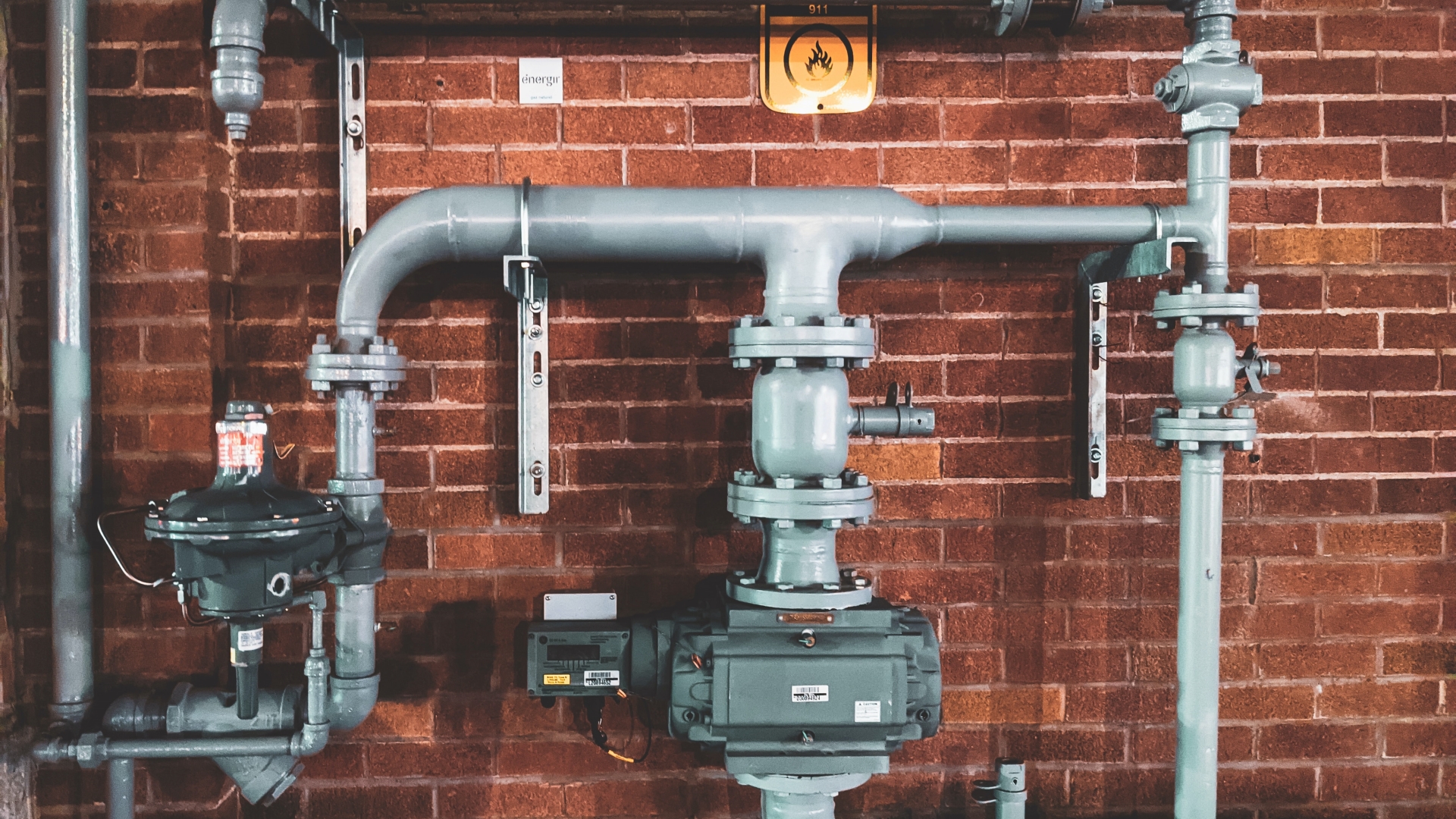
The modern kitchen is the most service dense room in the house. In a renovation, it acts as the mechanical heart of the home. It requires heavy load electrical circuits for induction ranges and steam ovens, dedicated plumbing lines for multiple sinks, and high velocity ventilation systems. When we approach these spaces, we are thinking about utility chases and floor joist capacity long before we think about tile samples.
A massive quartz island can weigh over a thousand pounds. Placing that dead load in the center of a floor system designed for 1920s standards often requires sistering joists or adding blocking to prevent deflection. This technical rigor is the invisible foundation of luxury. When executing a complex Kitchen Remodeling Seattle project, we often find that the critical work happens in the crawlspace and the ceiling plenum. We coordinate the routing of a rigid exhaust duct to the exterior to ensure quiet, efficient airflow, avoiding the common mistake of using flexible lines that restrict performance. We upgrade subpanels to handle the amperage of modern appliances. It is this integration of MEP systems with structural carpentry that separates a professional build from a surface level update.
Seismic Retrofitting: The Invisible Safety Net
Seattle sits near the Cascadia Subduction Zone. Many of the city’s most charming homes were built long before modern seismic codes were written. A major renovation provides the perfect opportunity to address this vulnerability. We do not view seismic retrofitting as a separate product but as an integral part of the remodeling scope.
This process involves establishing a continuous load path from the roof to the foundation. We install metal strap ties to connect floor framing to wall plates. We sheath cripple walls in the basement with structural plywood to prevent the house from sliding off its foundation during a tremor. We use heavy duty hold downs to anchor the wood frame to the concrete. These elements are eventually covered by drywall and trim, invisible to the homeowner, yet they are the most valuable investment one can make in the longevity of the structure.
The Envelope: Managing the Marine Climate
A building in the Pacific Northwest must breathe. The old strategy of sealing a building tight often traps moisture inside the wall cavity, leading to rot. We advocate for a rainscreen system for exterior cladding. This involves creating a ventilated gap between the siding and the water resistive barrier. This gap allows bulk water to drain away and creates an air channel that promotes drying.
Windows are another critical component of the envelope. We specify units with advanced glazing technologies that reduce heat loss while maximizing solar gain. Proper flashing detailing is non negotiable. We use a system of sill pans and self adhered membranes to ensure that the inevitable water intrusion at window perimeters is directed back to the exterior, protecting the rough opening from decay.
Building Trust Through Process
Executing these complex structural and mechanical interventions requires a high degree of organization. We believe that the homeowner should have total visibility into the engineering of their home. We utilize Buildertrend, a cloud based project management platform, to share engineering reports, inspection updates, and daily site photos. This transparency builds confidence.
This commitment to technical excellence is rooted in our history. Our founder, Moris Sapir, began his career as a carpenter, learning the trade from the ground up. This hands on experience informs every decision we make, ensuring that our designs are not just beautiful on paper but constructible in the real world. To understand the ethos behind this technical rigor, reading About Sapir Construction reveals a company culture deeply dedicated to the craft of building. We believe that true craftsmanship is the marriage of traditional skill with modern engineering.
The Synthesis of Art and Engineering
Architecture is the art of solving problems. In Seattle remodeling, those problems are often hidden behind plaster and lath. They are problems of load distribution, seismic safety, and moisture management. By addressing these fundamental issues with engineering precision, we create homes that are not only visually stunning but structurally sound. We honor the history of Seattle’s architecture by giving it the strength to endure the future.
Sapir Construction
1916 Pike Pl, Seattle, WA 98101
206-848-5414
sapir-construction.com
Do you know someone who might enjoy this article or would find it useful? Share it!