

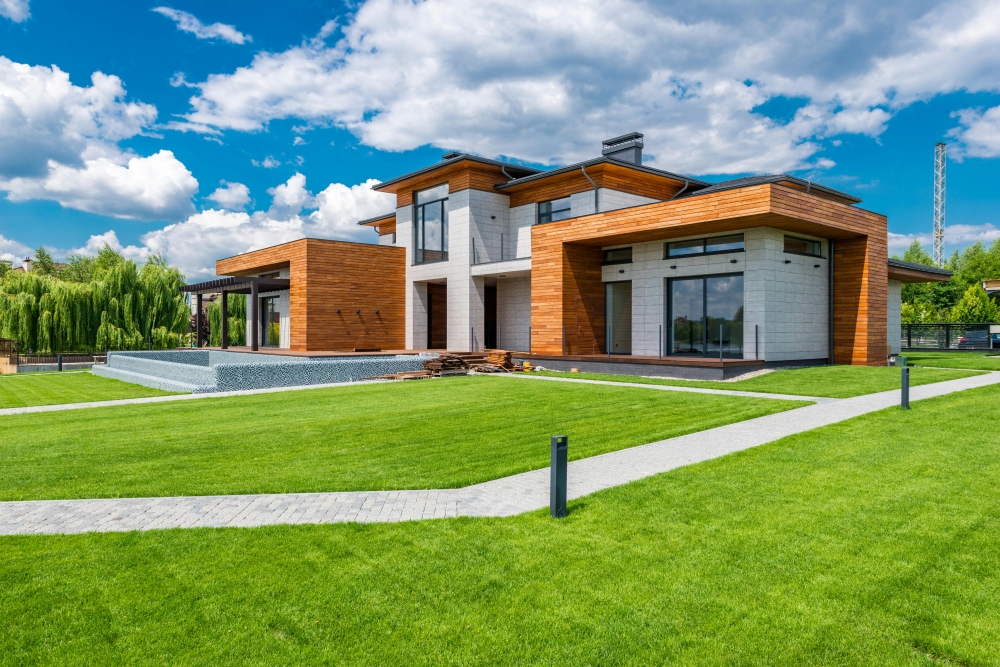
 Pexels Image: CC0 License
The fresh tones and stripped-back aesthetics of minimalist interior design have been much-loved by homeowners for the last few decades. Many of us have decluttered, toned down, and leant into clear rooms, sleek wooden flooring, and the occasional pop of colored textiles. But did you know that minimalism can also work well in your garden?
This can feel like a jarring concept considering that gardens are famed for their bright flowers and overflowing earth, but many homeowners are now discovering the marvel of minimalist gardening. Admittedly, your outdoors is never going to look as slick as those interiors, but you can still do plenty to neaten this space and add a little design coherence. This could match perfectly with minimalist interiors, or could serve to tighten up your curb appeal if you’re fed up of battling with unruly outdoor elements.
Of course, minimalist gardening isn’t quite the same as stripped-back interiors. It requires its own unique approach and understanding. Keep on reading to find out about the best and simplest ways to get started!
# 1 – Addressing Garden Clutter
As Marie Kondo has long highlighted, perfecting minimalism typically begins by eliminating clutter. You simply can’t achieve this look inside your home if you have piles of stuff. And, the same is true of your exteriors.
Of course, you do need to have realistic expectations here. You can’t entirely strip back your outdoor space and still expect it to look good. Plants are, by their nature, a little unruly, and you need some degree of that to ensure you aren’t just left with a barren landscape. But there’s a big difference between healthy plant growth and unnecessary additions.
Extra elements, such as outdoor ornaments, unhoused garden tools, and even overflow pots and pavers, can all create hidden piles around your garden. And, guess what? They all need to go if you’re opting for minimalism in this space. You’re probably best off rehoming ornaments and the like altogether, as there’s not much place for them in this new garden style. Alternatively, opting for alternative, out-of-the-way storage solutions like sheds and steel garages is a great way to keep your must-have outdoor essentials neatly tucked away at all times. Then, your whole outdoor area is sure to feel significantly neater right away.
# 2 – Curating a Minimalist Color Palette
Minimalist interior color palettes are pretty easy to achieve – white walls and the occasional bright color. But how do you achieve the same impact outside?
This can be tricky, considering that the vast majority of garden design focuses on an excess of colorful flowers. Yet, while it’s certainly true that a completely monotone outside space is hard to achieve, there are plenty of ways to curate a minimalist color palette that works.
The main thing here is to strip back on your brightest flowers. Pops of color absolutely have their place, but rainbow flowerbeds are never going to work. Instead, most minimalist gardens lean on more muted tones and also largely utilize green shades for that colorful undertone. If you do want to step outside of that with a few flowers, try to color block in well-suited shades like whites and cool blues. Then, you can tie all of this together with additions like white walls and fences, or grey gravel, and so on.
# 3 – Focus on Function
In recent years, garden design has become more expansive, with everything from hammocks to outdoor entertainment systems. This can certainly create a cozy outdoor environment, but are these superfluous additions good for your minimalist aesthetic? Possibly not.
Your minimalist garden can absolutely work well with a few seating additions that serve as a focal point. But it’s important not to get carried away. Remember that a soft outdoor sofa with multiple cushions, throws, and so on is almost always going to have a maximalist impact.
To avoid that, always focus on function when choosing minimalist outdoor furniture. Strip back unnecessary additions in place of basic seating or storage setups, which should blend well with your overall color scheme. Benches always work well for this, as do integrated seating setups that blend in well without taking up undue space.
# 4 – Master Materials
Playing around with materials is undeniably important in minimalist garden design. But remember that, in the theme of stripping back, you will want to keep those materials to a minimum of no more than three. This ensures that you can achieve the look you’re after, but with the consistency required to tie everything together.
Ideally, your material choices should fit well within your muted color palette, and could include natural additions like gravel and paving slabs. Additional choices like wooden sleepers and shingles can also work well, and should be placed at intentional intervals around your garden setup.
 Unsplash Image: CC0 License
# 5 – Lean into Repetition
Variety and gardens often go hand in hand, with many homeowners integrating various outdoor sections, including lawns, patio areas, and wild meadows. While this can be great if you’re aiming for a country-style garden of excess, it won’t exactly strike a minimalist note. To do that, you would be better off forgetting everything you know and leaning into garden-wide repetitions.
We’ve already touched on this a little when discussing materials, with repetitions of the same few materials really ensuring a cohesive space. It can also be worth using these materials in repetitive ways or across repeated features. For instance, consistent paving throughout your garden will look great, as will repeated wooden sleepers around your flowerbeds and so on.
Flower beds are another area where repetition could prove effective. Rather than mixing flower types and colors, it can work well to dedicate each flower bed to one type of plant and one color choice only. This keeps things neat, segmented, and will ultimately help to achieve that minimalist finish.
Garden design isn’t exactly minimalist by nature, but there are plenty of ways to make minimalism work outdoors. Start making the change today by putting these pointers into action.