
 Pexels. CCO Licensed.
Beachside homes already have one huge selling point: their location. This helps them to command premium prices, but other factors can determine just how well a coastal home competes with the value of neighboring properties. You need to consider how well a home takes advantage of its setting and how well it protects itself from the elements. Below, we’ll delve more into some of the practical ways to lift the appeal and value of your beachside property.
Maximize the views
Sea views can boost a home’s value by as much as 30%. The quality of the view affects the value added – panoramic views from a bedroom or living room will have the most impact, whereas a slither of sea view between two buildings from an attic won’t be quite as valuable.
Where possible, find ways to maximize views. This could include fitting larger windows or balconies, lowering fences or trimming vegetation to capture more of the ocean. You may even be able to expand the sightline into different rooms by knocking through internal walls. If a view can only be seen from the roof, consider whether terraces or attic windows are an option.
Improve beach access
Direct access to the beach is a huge value booster. If local regulations allow, consider adding stairs or ramps onto the sand, or even a private boardwalk. Install lighting to direct the way.
For waterfront properties that have no beach, consider whether there are still options like private jetties for mooring your own boat. Prioritize safety by using non-slip materials and installing handrails.
Factor in privacy
Some coastal areas get a lot of tourists and this can turn certain beachside properties into fishbowls. This could put off buyers, so consider potential ways to add privacy without sacrificing views or access.
Solutions like privacy window film can allow you to see out, but prevent people looking in. This could be a good option for large windows with views. You can also set up sheltered outdoor areas to counterbalance exposed areas – allowing you to still have a private outdoor space when you need it, and then enjoy more exposed areas when it’s less busy.
Protect against flooding and erosion
Nothing devalues a coastal property faster than visible damage from storms and tides. Make sure to regularly inspect the shoreline, foundations and drainage.
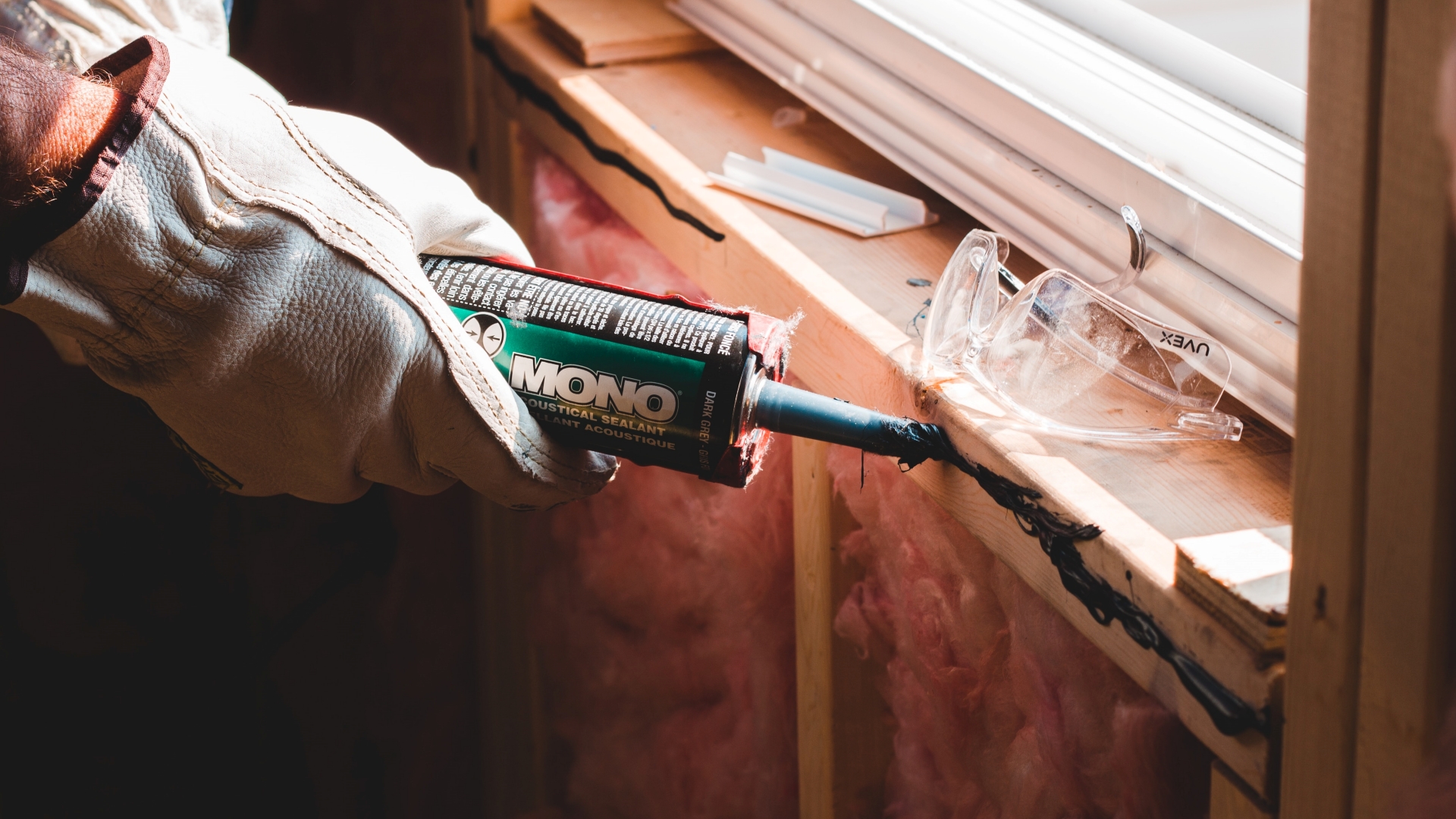
If your property has a sea wall, maintenance is essential – schedule periodic inspections and sea wall repair at the first signs of cracking. If your home is in a high-risk flood zone, make sure to invest in adequate floodproofing measures like finding ways to divert water away from the home, installing sump pumps or sealing windows and doors.
Use corrosion resistant materials
Salt air can corrode many building materials, leading to a worn exterior. Make sure to choose marine-grade materials or finishes to protect the outside of your property.
Every few years, take the time to inspect your exterior and replace or repaint anything that is starting to rot, rust or peel. Choose composite decking over timber decking and make sure steel and aluminium are well-treated.
Do you know someone who might enjoy this article or would find it useful? Share it!