
 Pexels – CCO Licence
When it comes to residential exteriors, it is fair to say that the surfaces you choose are about more than just filling the space. Driveways, walkways and patios are all vital parts of your home that contribute significantly to how your space looks, functions, and of course, how much upkeep you need to undertake to keep it looking good over time.
So it is fair to say that balancing the aesthetic appeal of your exterior surfaces with their practicality is vital. The right material should not only complement your home’s design but also stand up to daily use and local conditions.
Comparing asphalt with other common paving materials
There are several popular options when it comes to exterior surfaces, each with its own advantages.
Concrete is a common choice due to its clean appearance and long lifespan. It can be stamped or coloured for a more decorative finish, but it can also crack over time, especially in areas with temperature fluctuations.
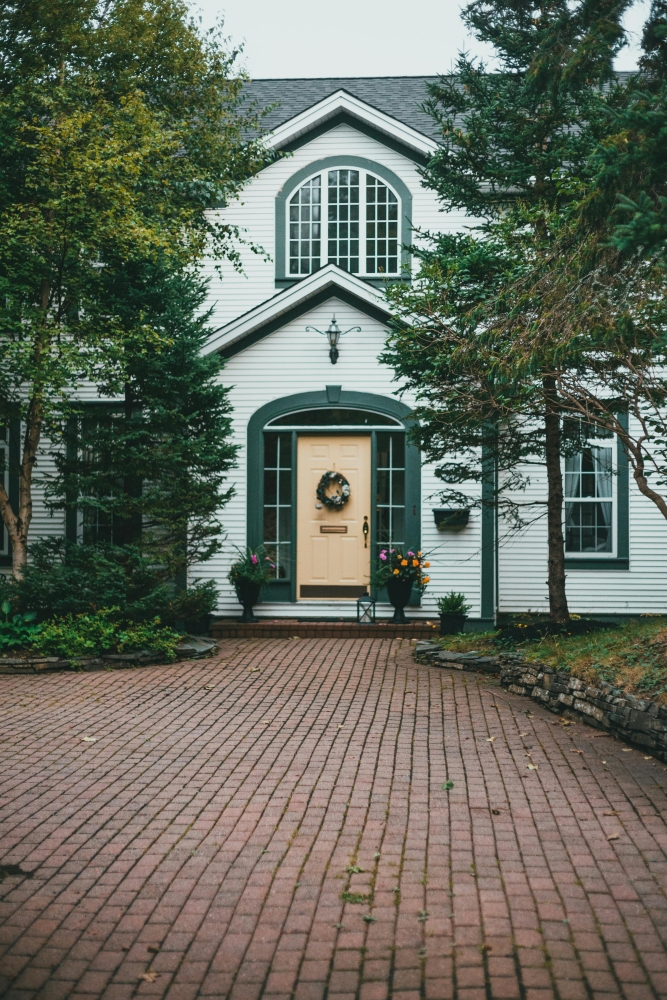
Pavers are popular as they offer flexibility and visual appeal. They come in various shapes, colours, and patterns, making them ideal for customised designs. However, they can shift or settle over time and may require more maintenance to keep weeds from growing between joints, which is not necessarily ideal
Gravel is often the most budget-friendly option. It is easy to install and provides good drainage, but it can be less stable underfoot and may need regular replenishing.
Asphalt, on the other hand, offers a balance between cost, durability, and functionality. It provides a smooth, consistent surface that works well for driveways and high-traffic areas.
Durability, maintenance and climate considerations
Of course, choosing the right surface is not just about how good it looks, but about how well it performs over time, too.
Durability is probably the biggest factor here. Your surfaces are likely to experience a lot of use, especially if we are talking about driveways, and they need to be able to handle weight, weather and wear well without deteriorating fast.
Then, you need to consider how easy they are to maintain. For example, concrete will usually need occasional sealing and pavers will often have to be weeded and repositioned from time to time, while gravel needs to be replaced and repositioned quite frequently. Then there is asphalt which needs to be sealed to preserve its lifespan periodically.
The climate you are living in plays a significant role here because in colder regions, you will be dealing with freeze-thaw cycles that can cause many materials to crack and shift, whereas in hotter regions, surfaces can expand or soften under intense heat.
Understanding how each material responds to your local environment can help you make a more informed decision.
When asphalt becomes the smartest design and performance choice
For many homeowners, asphalt becomes the most practical option.
Its smooth finish creates a clean, understated look that complements a wide range of home styles. It is particularly effective for driveways, where functionality is just as important as appearance.
Working with a reputable asphalt paving company can ensure the surface is installed correctly and designed to last. Proper installation is essential for achieving both durability and a polished finish.
Asphalt also performs well under varying weather conditions. It is flexible enough to handle temperature changes and can be repaired relatively easily if needed.
From a cost perspective, it often sits comfortably between more basic and more premium materials, offering strong value without compromising on performance.
What’s right for you?
That all depends on where you live, and what your priorities are, whether it’s appearance, longevity, or ease of maintenance. The key is to think about all of those things carefully so that you make the right choice for you and your home’s exterior.
Do you know someone who might enjoy this article or would find it useful? Share it!