
If you are looking to make your home or property suited to your needs, often that requires some kind of landscaping. If you have never done any of this before, you might be wondering what you can do to approach it right. A well-designed landscape changes the way a property feels. It can make a small garden feel expansive, turn an awkward slope into a feature, or create privacy without making a space feel boxed in. Good landscaping is not only about appearance either. It affects how people use outdoor areas, how much maintenance is required throughout the year, and even how a home functions in changing weather conditions.
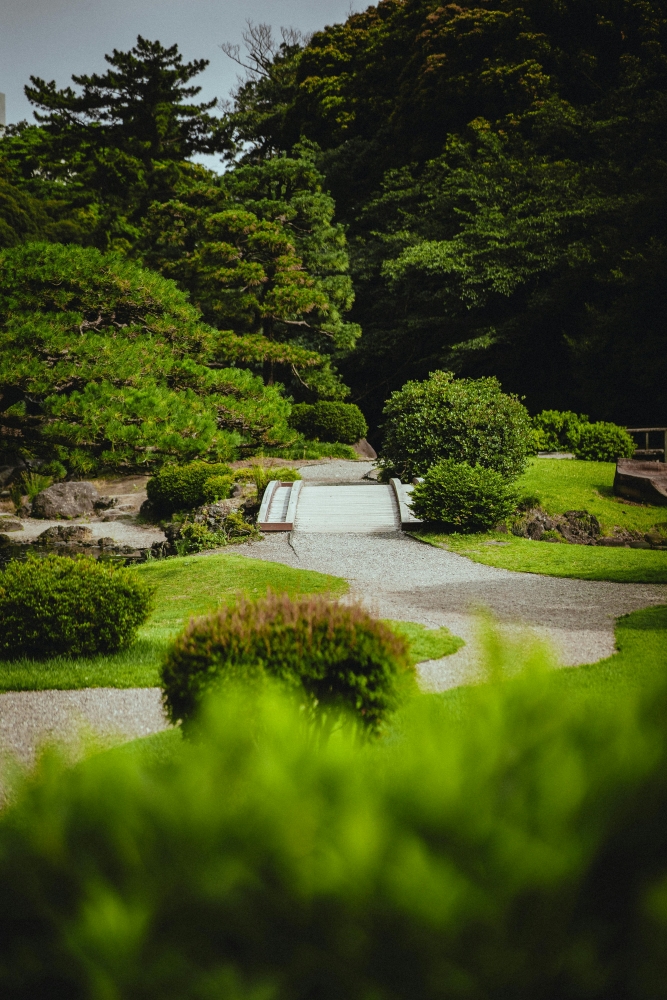 Image Source – CCO License
Start With the Way You Actually Live
One of the most common landscaping mistakes is designing a space around an idealized version of life rather than reality. A perfectly symmetrical garden with delicate flower beds may look impressive for a few weeks, but if nobody has time to maintain it, the result is often frustrating. Before choosing plants or materials, think about how the outdoor space is genuinely used. Some households need practical open areas for children or pets. Others want quiet spaces for reading, entertaining, or gardening. Some people care more about low maintenance than visual drama, while others enjoy seasonal planting and ongoing projects.
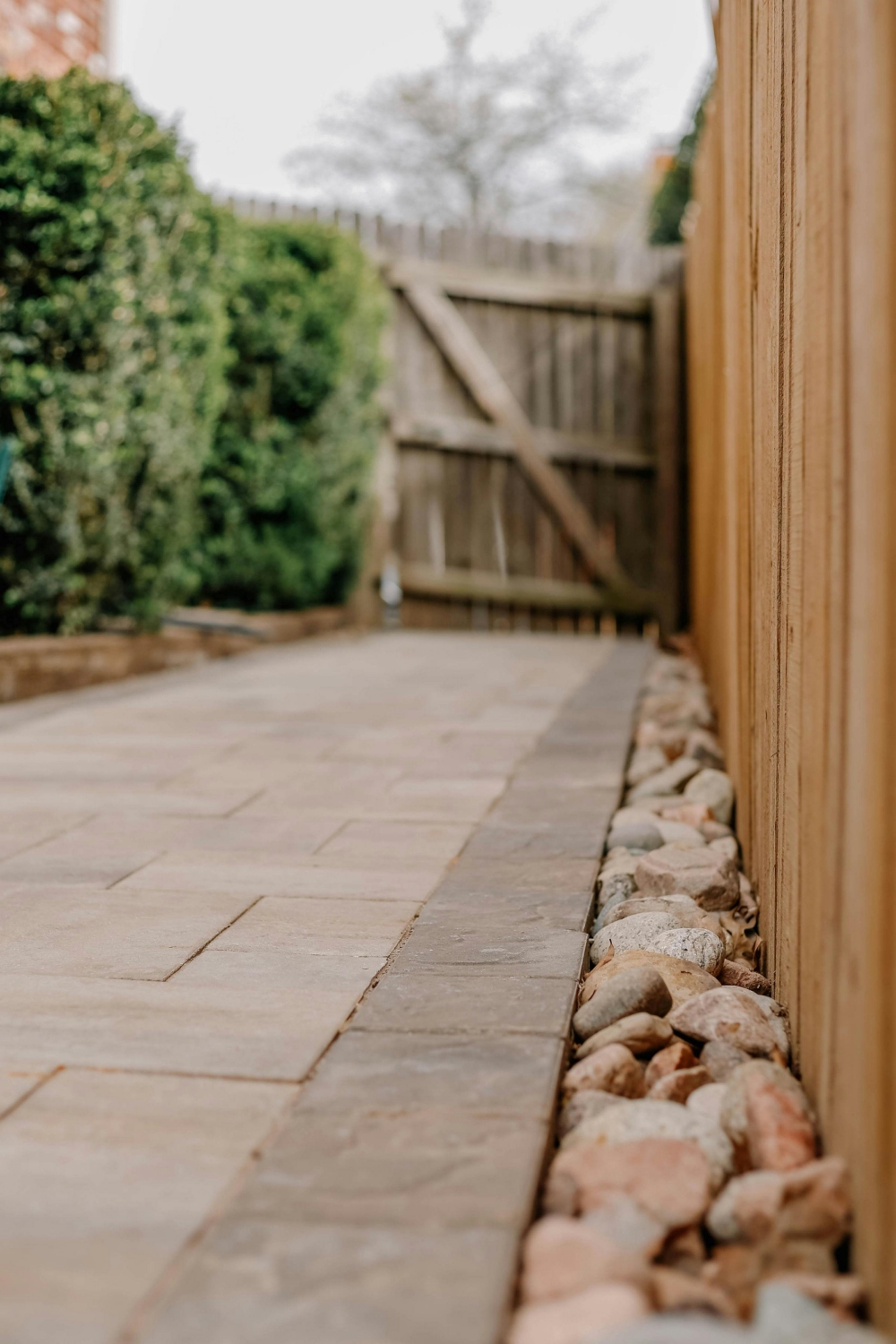 Image Source – CCO License
Unique Properties
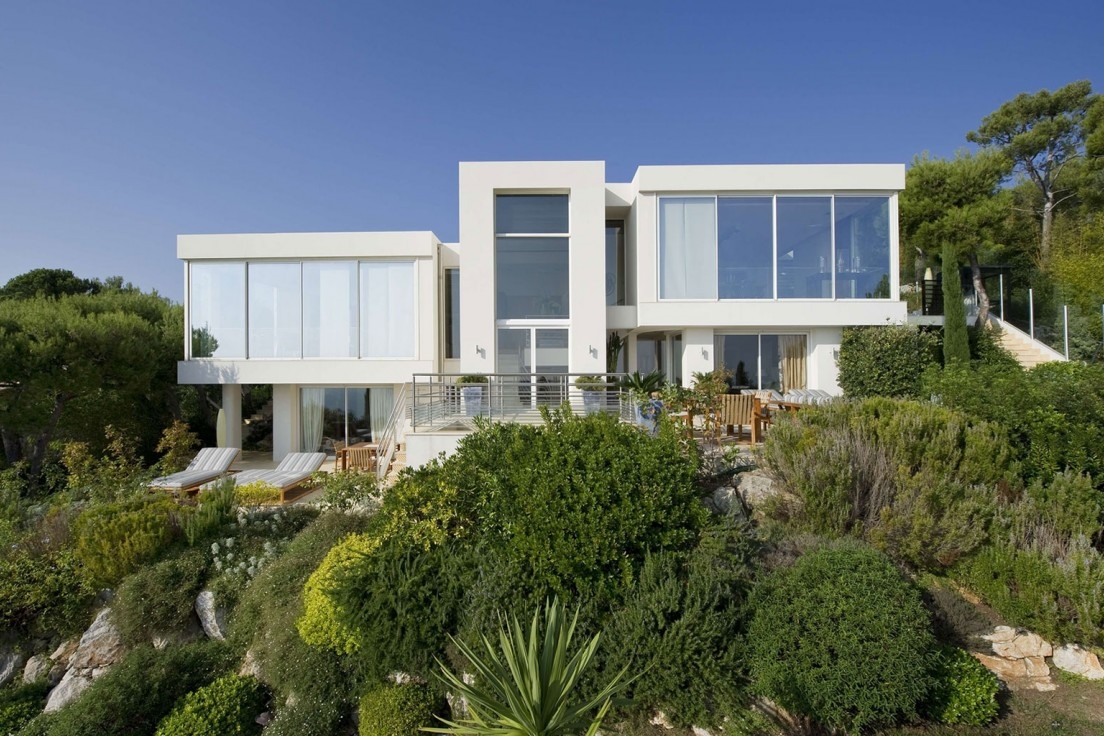
No two properties behave exactly the same way. Some have steep gradients, poor drainage, unusual shapes, heavily shaded areas, or exposed windy sections. Others may have mature trees that dominate the soil conditions or create constantly shifting light patterns throughout the day. This is where designing a landscape plan for unique properties becomes especially important. A thoughtful plan looks beyond surface aesthetics and studies how the land itself functions. For example, sloped gardens often frustrate homeowners at first. Yet with the right design, those slopes can become tiered planting areas, retaining wall features, or natural divisions between entertaining and relaxation spaces.
Hardscaping Creates Structure
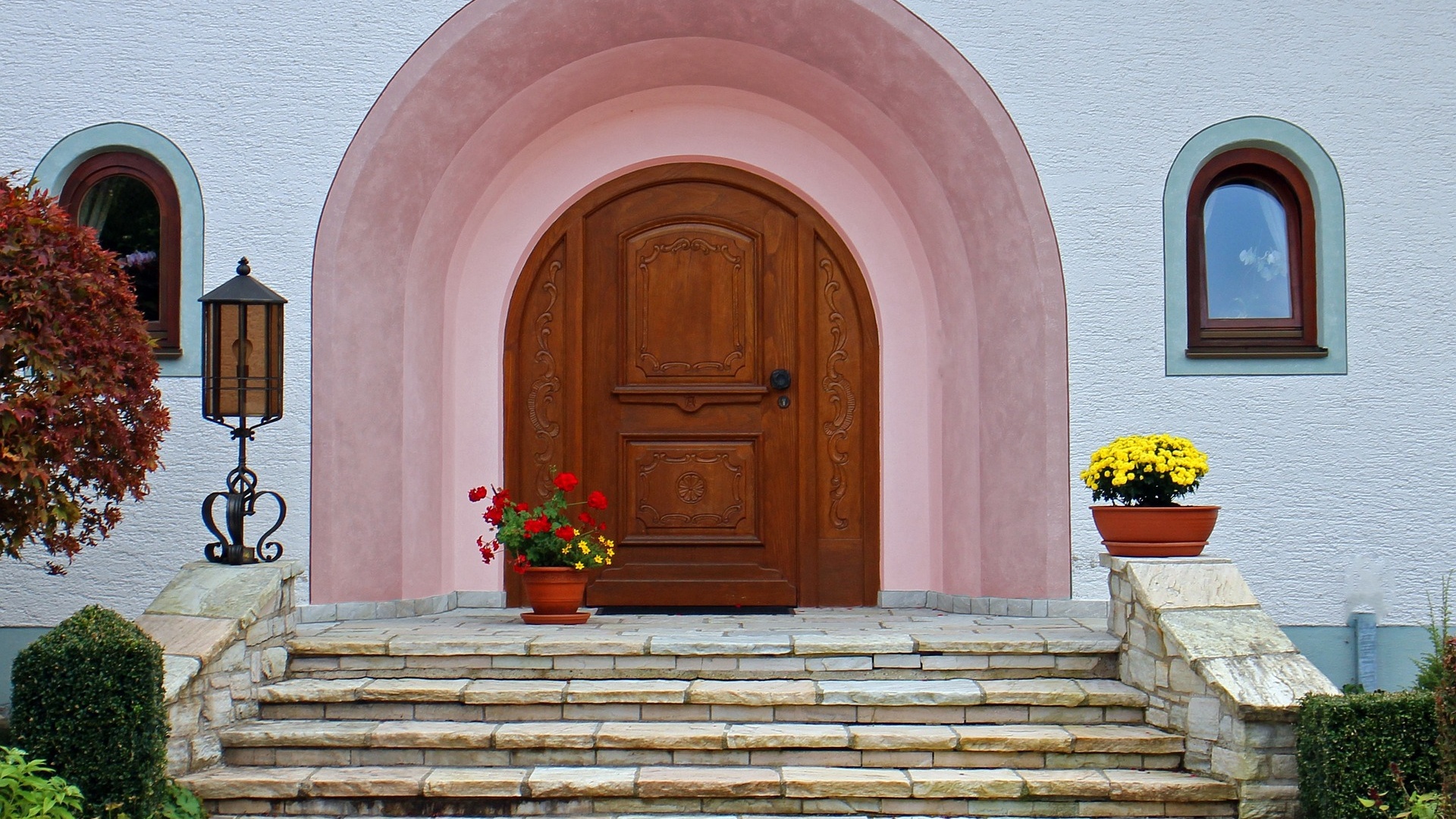
Plants tend to receive most of the attention in landscaping conversations, but hardscaping is often what determines whether a space feels functional or chaotic. Paths, patios, retaining walls, edging, decking, and stonework provide the framework that organizes the entire landscape. They guide movement through the property and help define how different areas are used. Strong hardscaping also creates balance during winter months when plants may be dormant. A garden with good structure still looks intentional even when flowers are not in bloom.
Choosing Plants With Purpose
Plant selection should always reflect the conditions of the property. Trying to force sun-loving plants into deep shade or moisture-sensitive species into poorly draining soil creates constant problems. A successful landscape often uses plants that naturally suit the environment. Native species and climate-adapted plants generally require less maintenance, less water, and fewer interventions over time. Layering plants properly also creates visual depth. Trees provide height and canopy, shrubs add mass and structure, while perennials and ground cover soften the landscape and introduce seasonal interest.
Do you know someone who might enjoy this article or would find it useful? Share it!