
 Pic Credit – CCO License
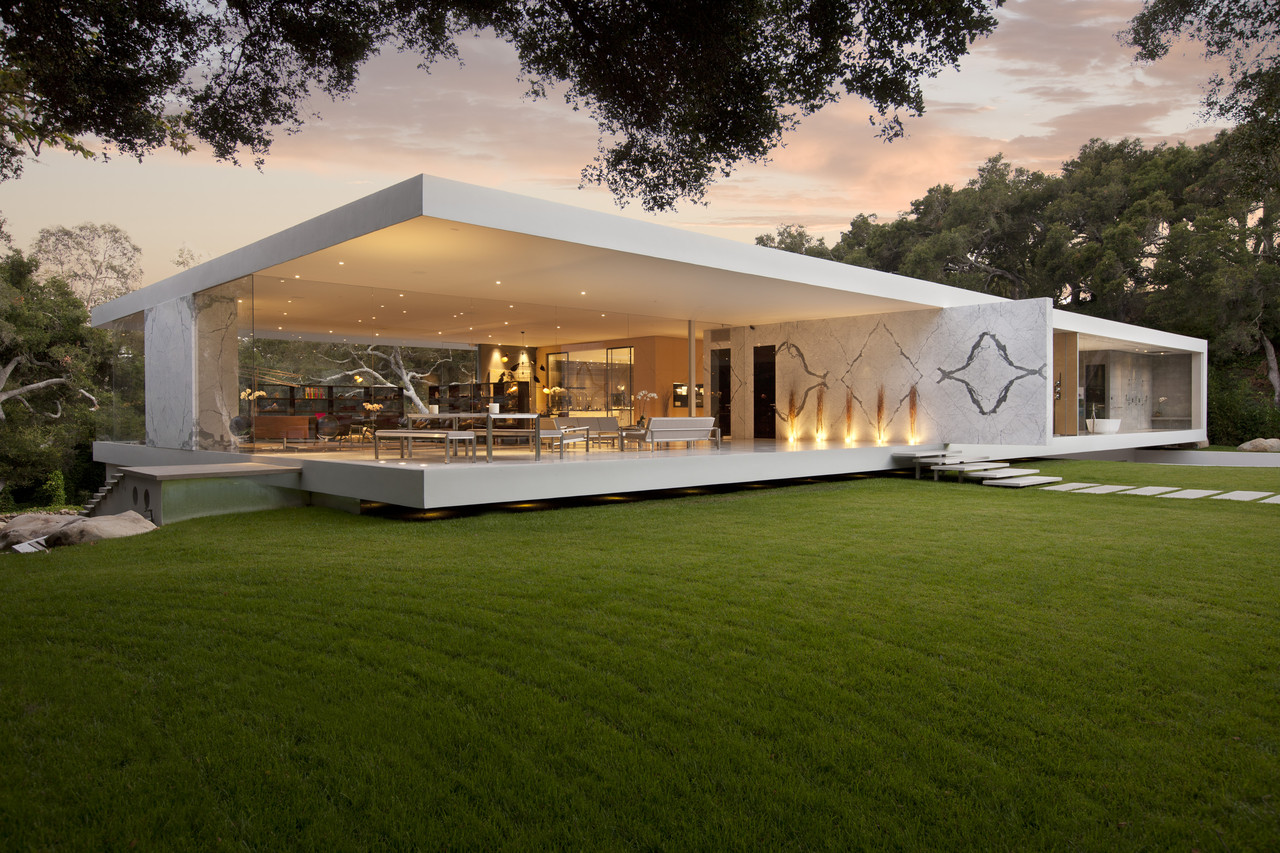
If you are keen on creating your own home, and you are keen to go for a luxury vibe, this is something that you can approach in a lot of different ways. Luxury home design in 2026 has moved beyond square footage, prestige materials, and architectural spectacle. The focus is increasingly on integration: how the building sits within its land, how indoor and outdoor spaces merge, and how technology quietly supports comfort rather than shouting for attention. A luxury home is no longer just a structure; it is an ecosystem, shaped as much by its landscape as by its walls.
Designing With Land In Mind
One of the defining principles in high-end residential design today is the idea that the home should belong to its site, not dominate it. This starts early in the planning process, ideally before a single wall is drawn. Orientation, elevation changes, existing trees, water flow, and long-distance views all become key design inputs. Rather than flattening land to accommodate a structure, luxury builds in 2026 often embrace topography. Split-level layouts, sunken courtyards, and stepped terraces allow architecture to respond to natural contours. This creates a sense that the home has emerged from the landscape rather than been imposed upon it.
Outdoor Living
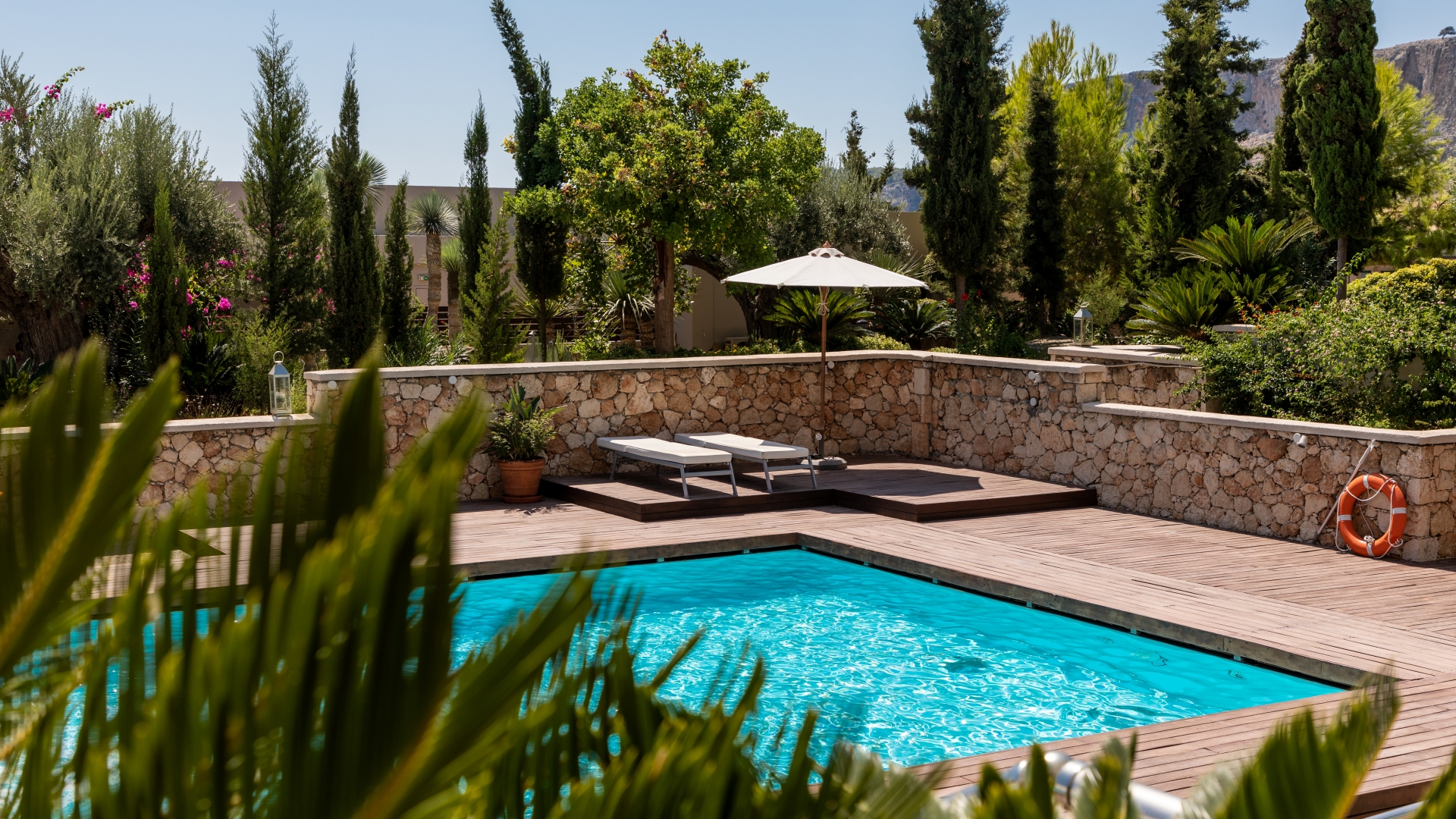
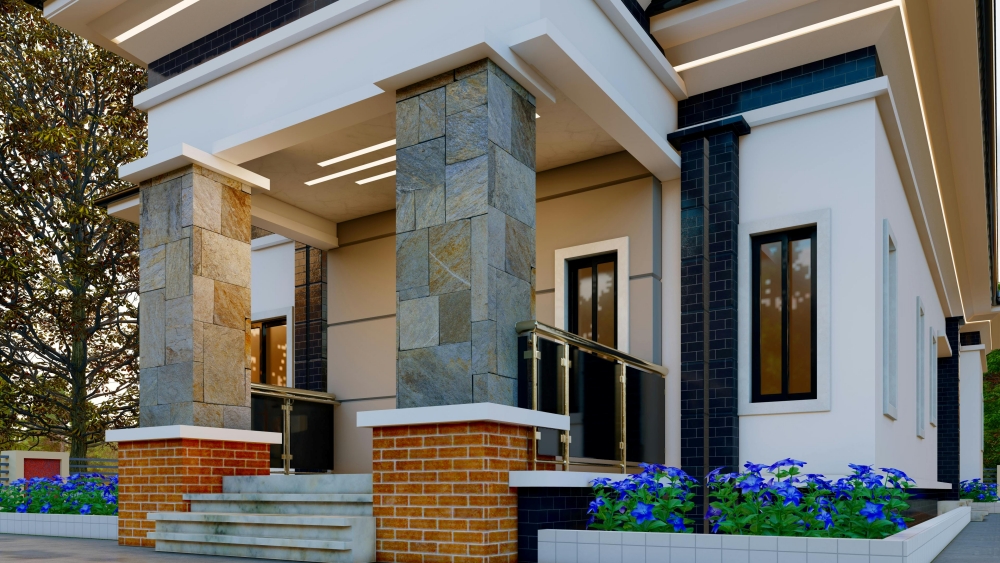
Outdoor living has become one of the most important expressions of luxury. The traditional patio has evolved into a sequence of carefully designed environments that support different moods and uses throughout the day and across seasons. Outdoor kitchens are now expected in premium homes, but in 2026 they are far more sophisticated than a simple grill and counter. Full cooking stations with integrated refrigeration, pizza ovens, wine storage, and weather-protected preparation areas are increasingly common. Materials tend to mirror interior finishes – natural stone, brushed metal, and hardwood – so the boundary between inside and outside becomes visually seamless.
Landscaping & Collaboration
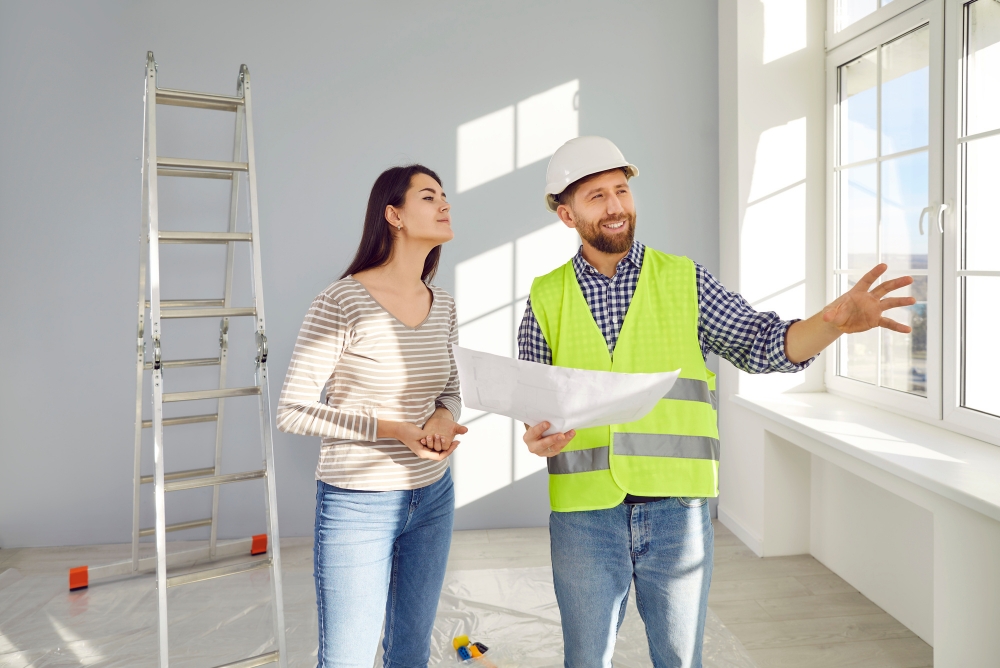
Perhaps the most important shift in creating a luxury home in 2026 is the level of collaboration required. Architects, interior designers, landscape architects who can help with high-end landscape features for luxury properties, engineers, and sustainability consultants are no longer working in sequence but in parallel. Decisions about glazing, rooflines, drainage, planting, and outdoor structures are made together rather than in isolation. This integrated approach ensures that the home feels cohesive rather than assembled. It also reduces the risk of costly redesigns later in the process, particularly when it comes to landscape integration, which is often underestimated in early planning stages.
A new definition of luxury
In 2026, luxury is less about spectacle and more about coherence. It is about how a home behaves over time, how it responds to seasons, and how it supports the people living in it without demanding attention. The most impressive properties are often the quietest in their confidence.
Do you know someone who might enjoy this article or would find it useful? Share it!