
 Image credit: Unsplash
Your backyard should feel like a little getaway, a spot to kick back and enjoy yourself. But when bad weather rolls in, it can quickly turn into a headache and a money pit. Building a tough outdoor space isn’t about making it look like a fortress. It’s really about picking smart designs that work *with* nature, not against it. With a bit of careful planning, you can set up a backyard that shrugs off rain, wind, and sun, leaving you more time to just relax in it.
Selecting Hardscaping for Durability
The backbone of a sturdy backyard is its hardscaping: things like patios, walkways, and retaining walls that shape your space. What you pick for these materials really matters. Sure, you want it to look good, but being tough should be your main goal. Natural stone, concrete pavers, and composite decking are all fantastic choices because they don’t easily fade, crack, or rot.
When you’re planning your patio or paths, think about using permeable pavers. Unlike solid concrete slabs, these let rainwater soak right through the surface and into the ground below. This means less water running off, more groundwater getting refilled, and it helps stop puddles that could mess with your home’s foundation or turn into icy patches in winter. For wooden bits like pergolas or decks, always go for wood that’s been pressure-treated or naturally resists weather, like cedar or redwood.
Managing Water Flow in Your Yard
Water can be a real troublemaker in your yard. If it doesn’t drain well, you could end up with soil washing away, damage to your foundation, and drowned plants. The trick is to control where water goes when it really pours. The first step is to make sure your yard slopes away from your house. This simple tilt can save you from a ton of problems.
If you have sloped areas, putting in good erosion control solutions like retaining walls or terracing can stop soil from disappearing and keep your landscape looking good. You could also install French drains or build a dry creek bed to guide extra water away from sensitive spots. A rain garden, which is basically a shallow dip filled with plants that love water, is another pretty and practical way to deal with storm runoff.
Techniques for Protecting Your Property
Strong winds can really mess up an exposed yard, damaging plants and sending your outdoor furniture flying. A well-placed windbreak can really slow down the wind and protect your stuff. This doesn’t have to be a solid wall. A sturdy fence with small gaps, a line of thick evergreen bushes, or even a decorative lattice panel can do a great job of breaking up the wind.
Also, think about the things in your yard. Get good, heavy outdoor furniture that won’t easily get blown around. For lighter items, have a plan to tie them down or bring them inside before a storm hits. Retractable awnings are awesome for shade because you can quickly roll them up and keep them safe from wind and hail.
Choosing Plants That Thrive in Any Condition
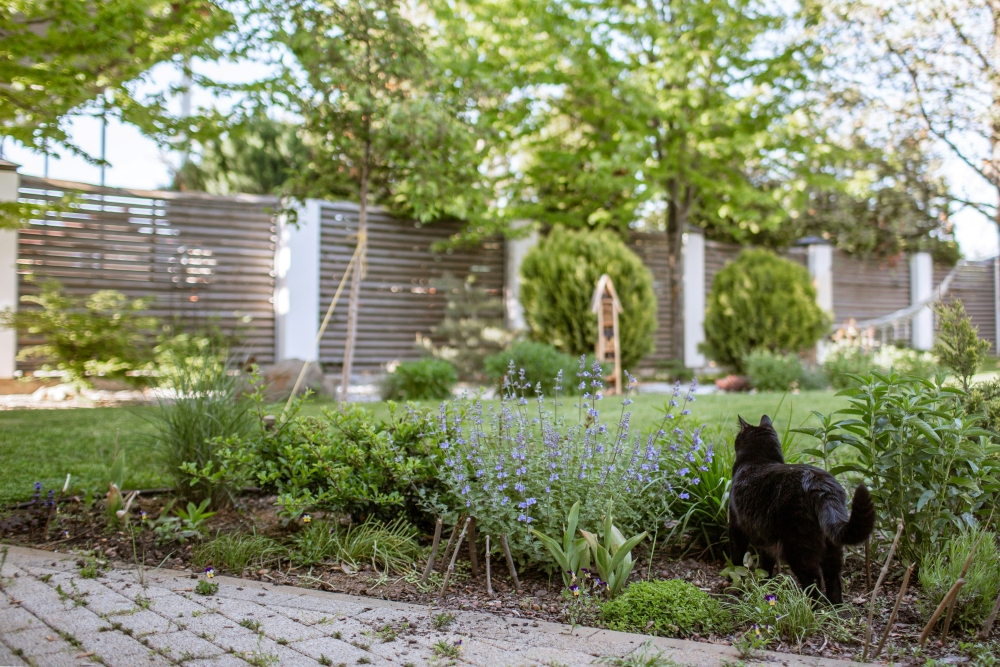
A garden that can handle anything starts with choosing the right plants. While delicate, exotic flowers might look lovely, they often need constant fussing and are usually the first to suffer when the weather gets rough. Instead, focus on plants native to your area and those that are used to your local climate. These plants have grown up dealing with the typical rain, soil, and temperature changes in your region, making them much more self-sufficient.
Adding drought-resistant landscaping is another smart move, especially if your area tends to get dry spells. Succulents, ornamental grasses, and tough perennials like lavender and sage can survive with very little water once they’re settled in. They help you save water and keep your garden looking great, even during the hottest, driest times of the year. When you’re putting plants together, group ones with similar water needs to make watering more efficient.
Smart Solutions for Dust and Debris
In dry, windy places, dust can be a constant headache, coating your patio furniture and sneaking into your house. Bare soil is usually the main culprit. Covering up exposed dirt with a layer of mulch, gravel, or stone is an easy and effective way to keep the dust down. These ground covers also help the soil hold onto moisture and keep weeds away.
For a greener option, think about planting a tough ground cover like creeping thyme or clover. These low-growing plants create a thick mat that holds the soil in place and adds a touch of green to otherwise empty spots. Smartly placed trees and shrubs can also help catch dust and debris in the air before it gets to your main living areas.
A backyard built to last doesn’t just happen by chance. By making careful choices for your hardscaping, how you manage water, and what plants you pick, you’ll create an outdoor space that’s not only beautiful but also ready for whatever nature throws its way.
Do you know someone who might enjoy this article or would find it useful? Share it!