
 Image credit Unsplash
It’s amazing how the line between our homes and the great outdoors is getting wonderfully blurry. Modern architecture really focuses on making smooth transitions, stretching our living spaces right into nature. A well-thought-out patio is super important for this idea, acting as an outdoor room that’s just as useful and stylish as any room inside. It’s way more than just a spot for your grill; it really shows off your home’s personality and how you live.
Why Is Everyone Blurring the Lines Between Inside and Out?
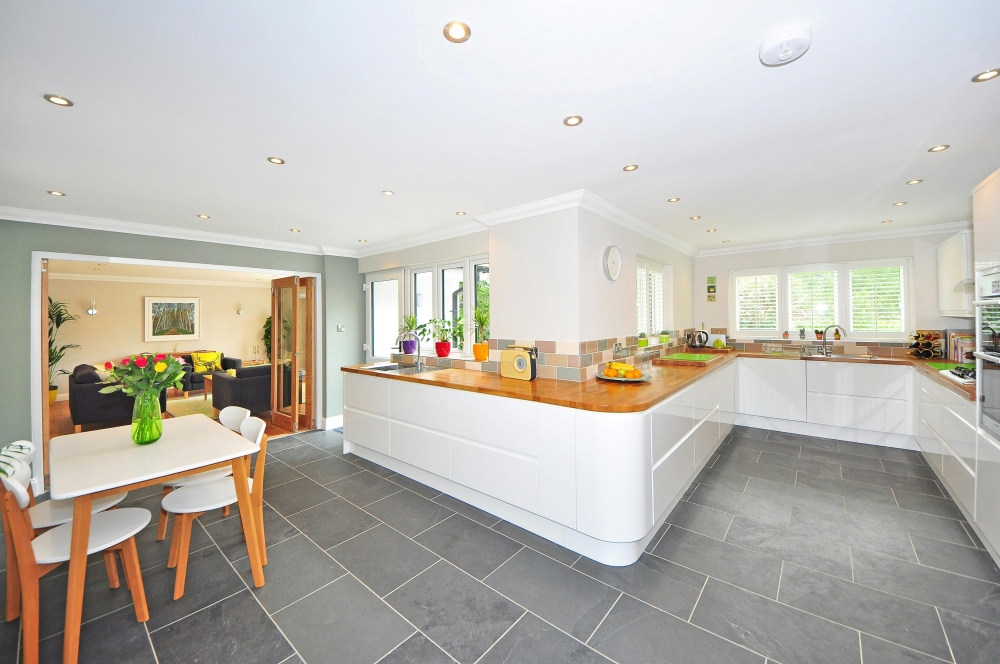
People really want to feel more connected to nature, and our homes are starting to show that. This trend of indoor-outdoor living stems from a desire for more usable space and a better overall life. When we open up walls with big glass doors or use the same flooring from the living room right onto the patio, it’s like we’re getting a whole new room.
This way of thinking does more than just add square footage. It actually makes us feel better by letting in more natural light and fresh air. An indoor-outdoor area becomes the perfect spot for having friends over, enjoying a quiet coffee in the morning, or just chilling out with family.
It makes your home feel bigger, brighter, and more in tune with its surroundings. Smart design choices, like adding large windows or sliding glass doors, can truly seamlessly connect spaces, making things look better and improving everyday life.
Choosing the Right Patio for Your Home’s Style
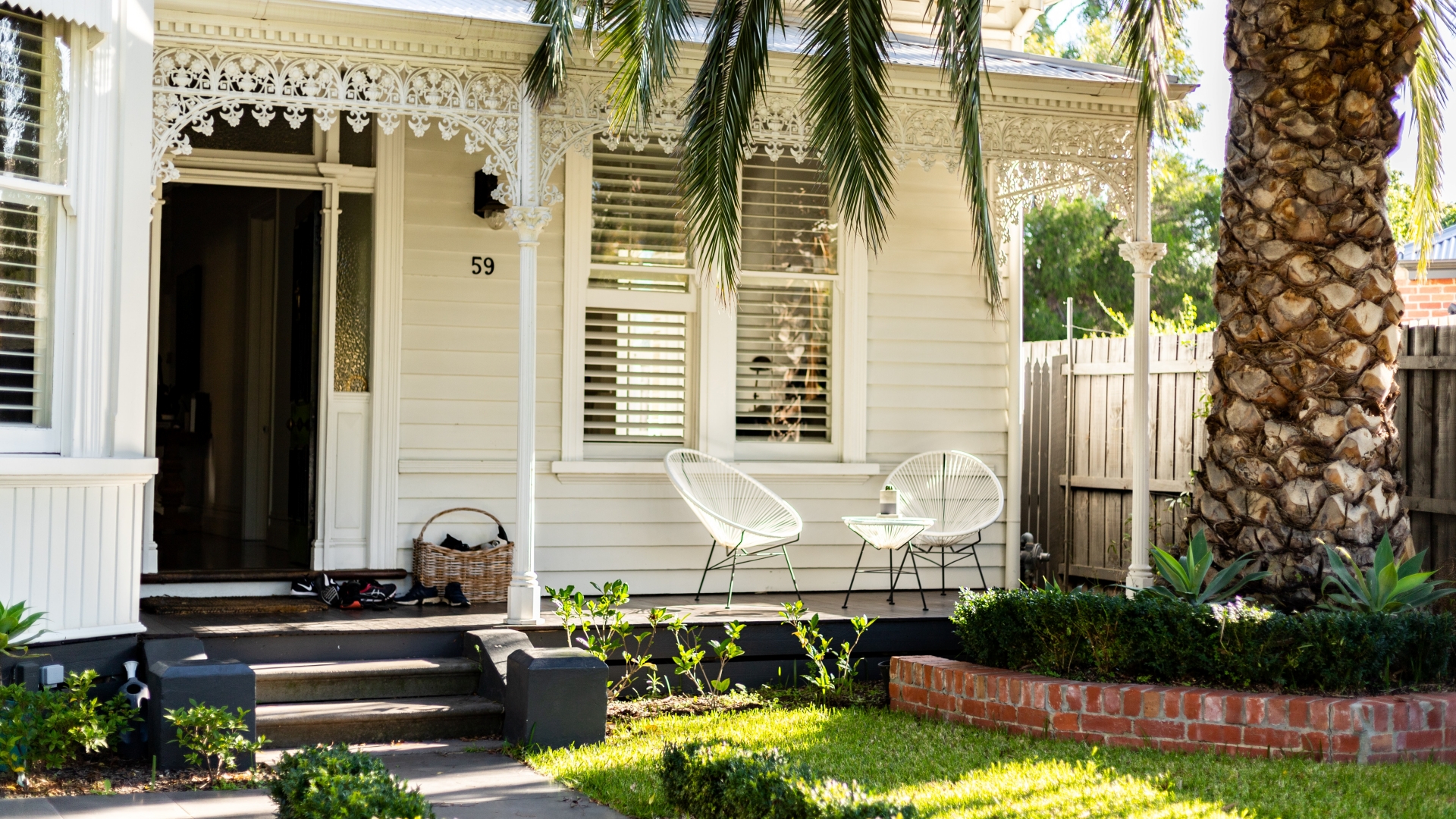
To make your outdoor space really work, it needs to fit right in with your home’s current style. A super modern, simple patio might look odd next to a cozy country house. So, when you’re planning your new addition, think about the lines, materials, and overall vibe of your home. Is your house modern with clean edges? A simple concrete or paver patio could be perfect. Is it more classic? Maybe a traditional brick or flagstone design would be a better match.
The kind of patio you pick also matters. An attached patio feels like a direct extension of the room next to it, while a detached one can be a special spot somewhere else in your yard. Local pros who know all about patios in Forster and other areas often really understand the local architectural styles. They can help you design an addition that looks like it was always meant to be there.
Materials That Marry Durability with Design
The materials you choose will really set the tone for your patio’s look, feel, and longevity. Each option has its own perks when it comes to upkeep and style.
- Concrete Pavers: These are super flexible and come in tons of shapes, colors, and textures. They’re tough, easy to fix, and you can arrange them into beautiful patterns.
- Natural Stone: Things like flagstone, slate, and bluestone give you a classic, high-end look. They’re incredibly durable but can cost more and usually require a pro to install.
- Wood Decking: A popular choice that brings a warm, natural feel. Cedar and redwood are often picked because they resist rot, but you do need to seal them regularly.
- Composites: If you like the look of wood but not the maintenance, check out composite decking and recycled materials. They’re made from a mix of wood fibers and plastic, so they resist stains, fading, and pests.
Furnishing Your Outdoor Room for Year-Round Comfort
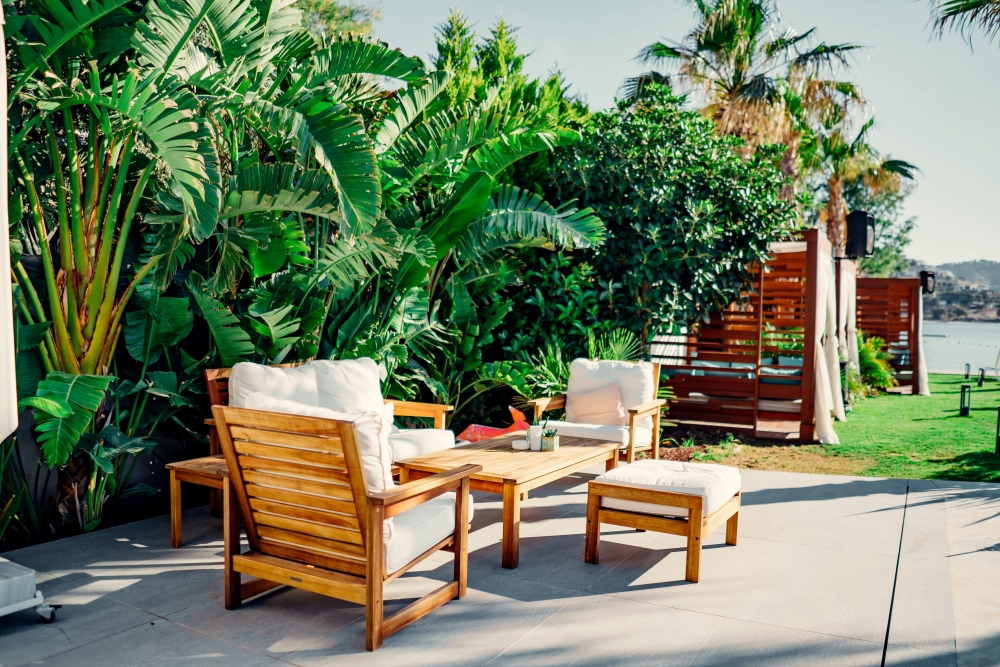
Treat your patio just like any other room in your house by furnishing it for comfort and usefulness. Start with tough, weather-resistant furniture. Look for pieces made from aluminum, teak, or all-weather wicker. Cushions made with special outdoor fabrics will resist fading and moisture.
Create distinct zones to make the most of the space. Set up a dining area with a table and chairs for eating outside. Make a separate lounging spot with a comfy sofa, armchairs, and a coffee table. An outdoor rug can help define these areas and add a touch of softness and color. And don’t forget ways to get shade, like a big umbrella, a pergola, or a retractable awning, so you can use the space even on the sunniest days.
Lighting: The Secret to a Magical Outdoor Ambiance
Good lighting is what truly turns a patio from just a flat surface into a magical evening getaway. A layered lighting plan makes sure it’s both safe and atmospheric. Begin with ambient lighting, such as wall sconces or overhead lights on a covered patio, to provide overall brightness.
Next, add task lighting where you need it, like over a grilling station or a dining table. Finally, use accent lighting to highlight cool architectural details or landscaping. Up-lights pointing at trees, string lights strung across a pergola, or small lights built into stair risers can create a beautiful, inviting glow that makes you want to stay out there long after the sun goes down.
A well-designed patio is a fantastic addition to any home. It gives you a special place to relax, entertain, and connect with the outdoors. By focusing on a consistent design, strong materials, and comfy furnishings, you can create a smooth extension of your indoor living area.
Do you know someone who might enjoy this article or would find it useful? Share it!