
Contemporary architecture frequently celebrates the beauty of restraint. Clean lines, expansive glass walls, and monochromatic palettes dominate modern design, creating spaces that feel incredibly open and uncluttered. However, without careful curation, these ultra-modern environments can sometimes feel cold or austere to the everyday homeowner. Industry surveys indicate that a vast majority of urban residents now actively seek out interior spaces with natural textures and organic elements. This desire is often driven by a need to counteract digital overload and lower daily stress levels. The primary challenge for today’s interior designers lies in introducing this essential warmth without compromising the sleek, minimalist aesthetic that makes contemporary properties so visually striking.
The Science Behind Biophilic Living Spaces
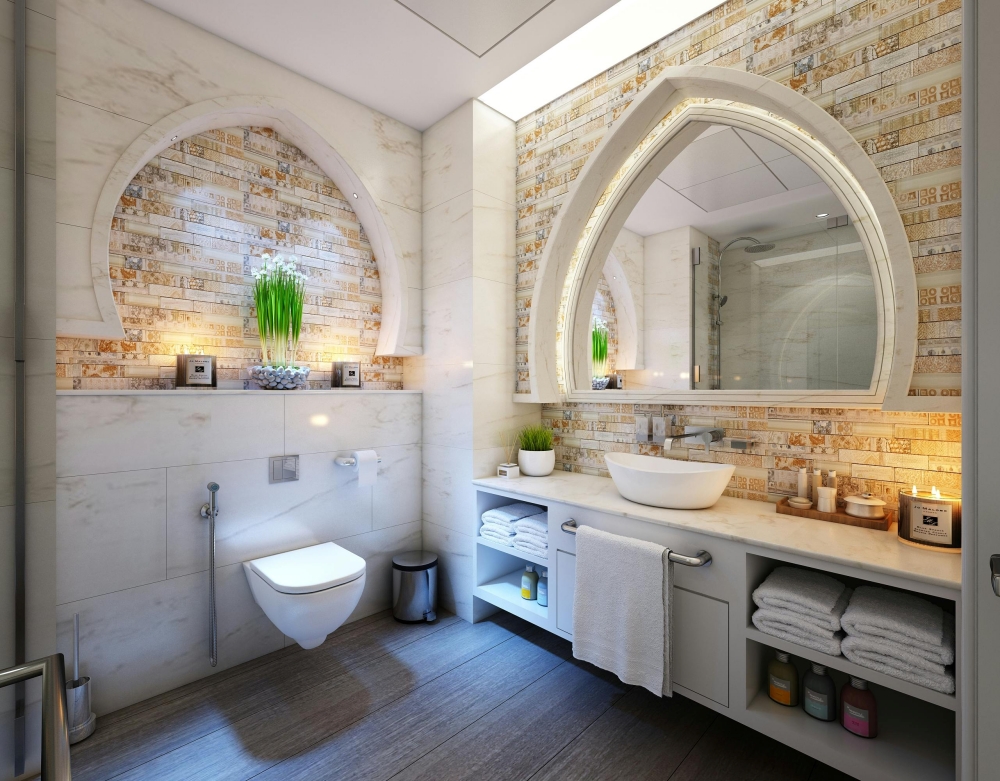
Modern biophilic design has successfully transitioned from a superficial aesthetic trend to a core architectural philosophy. Instead of adding potted plants as a mere afterthought, forward-thinking architects are embedding natural materials directly into a building’s initial planning phases. Recent research highlights the growing adoption of mass timber and sustainable wood materials across modern construction projects. The advantages of this approach extend far beyond visual appeal. As an example, research highlighted by Yale Environment 360 demonstrates that integrating natural elements like sunlight and organic textures can profoundly impact physiological well-being. Studies have even revealed that patients recovering in hospital rooms flooded with bright natural sunlight needed significantly less pain medication than those recuperating in darker, windowless wards.
When we bring these established principles into our residential living spaces, we create personal sanctuaries that actively support our mental and physical health. The tactile nature of raw materials provides a much-needed sensory contrast to the smooth, manufactured surfaces typical of modern city living. For those who appreciate the geometric elegance of classic parquet, parquet parquet flooring provides a unique way to introduce organic warmth into a contemporary space while ensuring dimensional stability and timeless appeal.
Grounding Expansive Architecture with Organic Textures
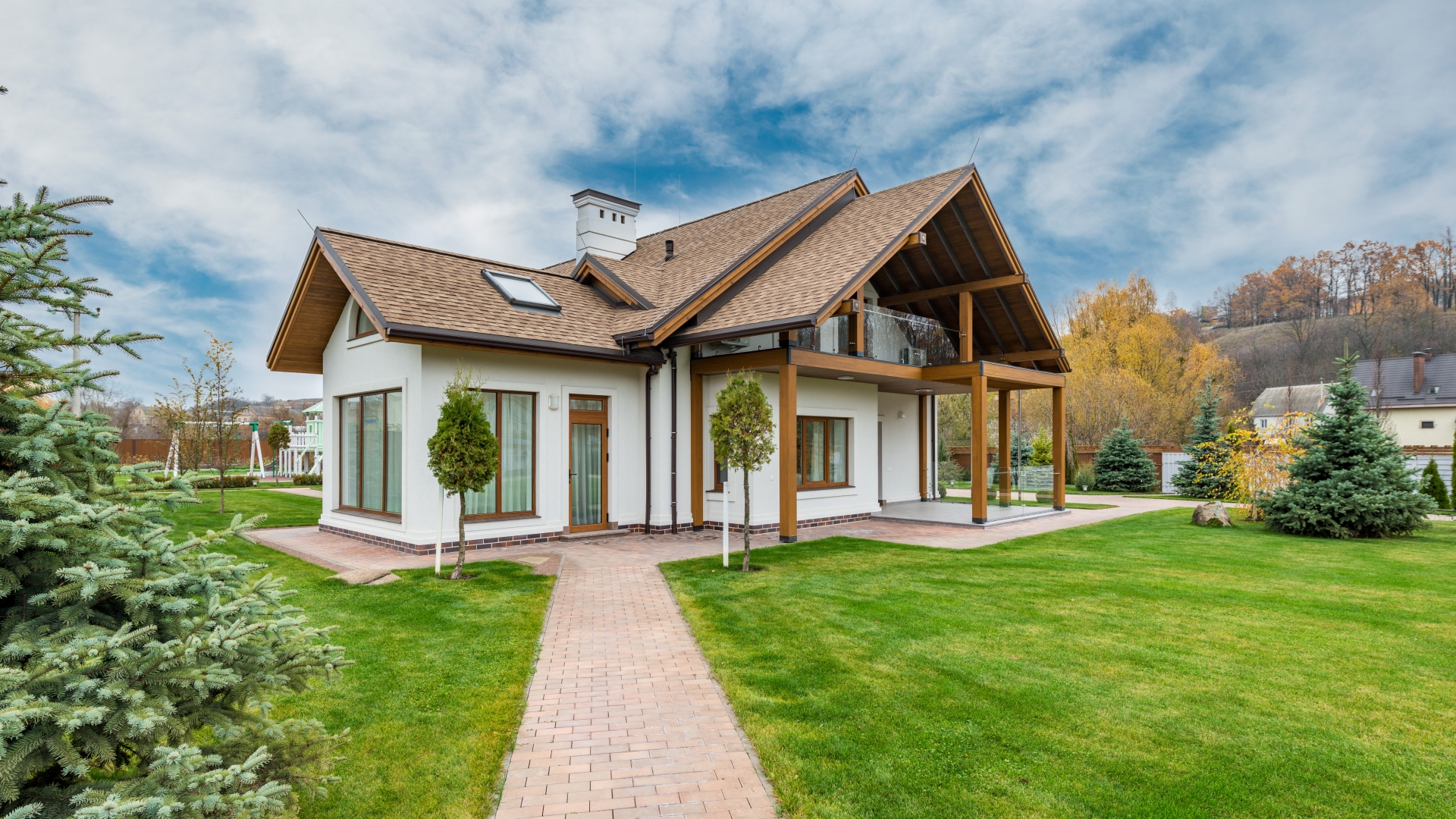
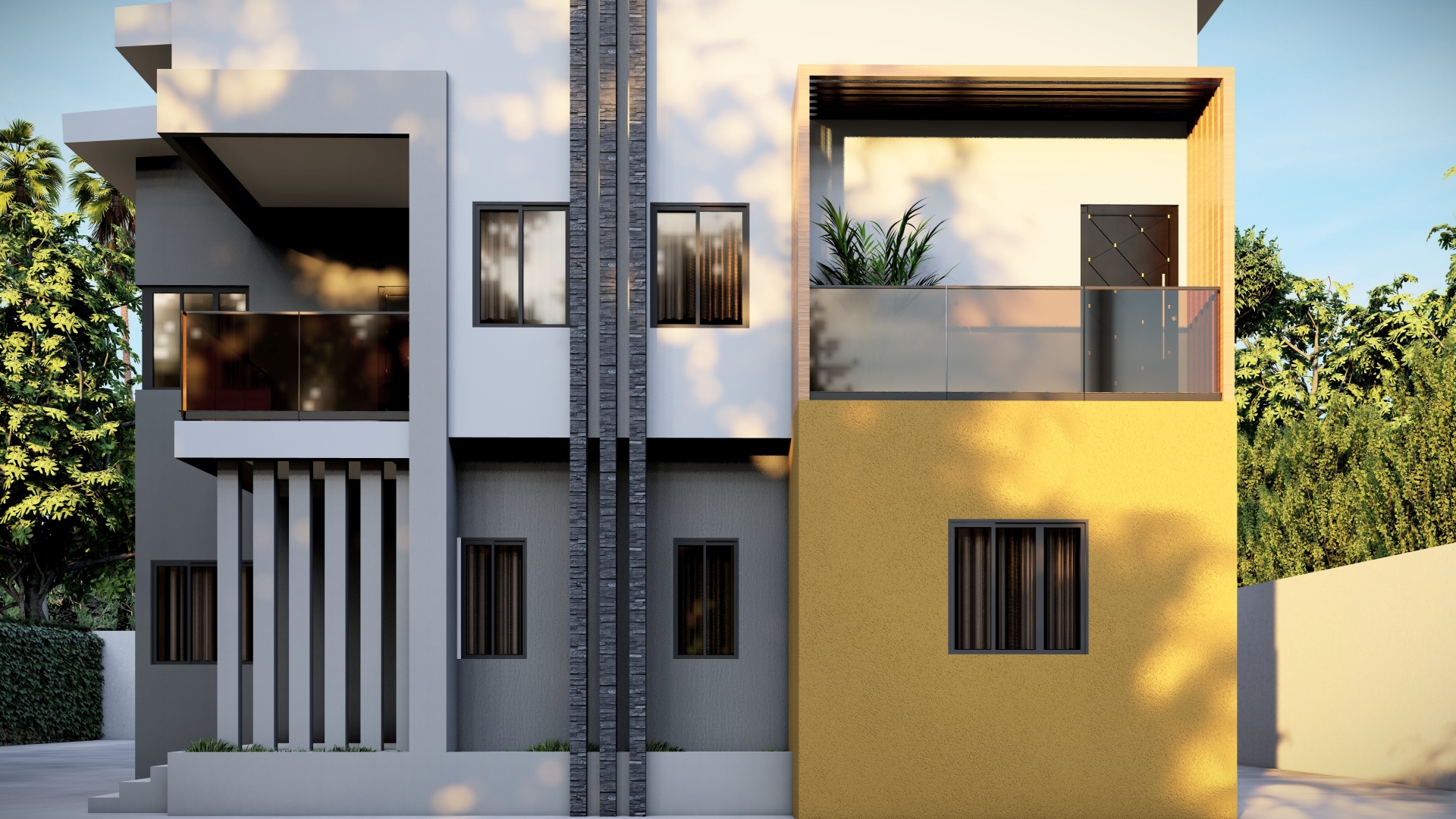
Natural wood flooring has become increasingly popular in contemporary interiors, particularly among homeowners seeking to incorporate biophilic elements into modern living spaces. This preference makes perfect sense when we look at how natural timber interacts with contemporary design elements. Stark white walls, concrete flooring, and structural steel frames inherently require an organic counterpoint to feel truly inviting. As seen in some of the most striking modern minimalist house design examples, balancing sleek architecture with bright, natural wooden textures creates an inviting warmth without sacrificing contemporary elegance.
Premium European Oak and American Walnut are currently favoured by artisans for their rich, earthy tones and exceptional durability. These natural materials serve to ground an open-concept living space, naturally bridging the visual gap between highly engineered indoor environments and lush outdoor landscapes. The rich grain of the wood softens the hard edges of modern furniture, providing a sense of comfort that synthetic alternatives simply cannot replicate.
Sustainability and Heritage in High-End Materials
Introducing wood into a modern home is no longer just about aesthetics; it is deeply tied to ethical sourcing and environmental responsibility. The European Union Deforestation Regulation now mandates strict supply chain tracking, fundamentally shifting how luxury brands verify their materials. To address these global compliance standards, the Forest Stewardship Council rolled out advanced digital ledgers that validate the origin and trade compliance of certified wood.
Artisanal manufacturers have implemented comprehensive traceability to guarantee the authenticity and ethical sourcing of their products. Furthermore, high-end engineered options are often manufactured using advanced natural seasoning techniques. The rigorous seasoning processes and specialised kilns used by premium heritage brands ensure that wooden elements remain completely resilient in climate-controlled modern homes, preventing warping and maintaining structural integrity over decades.
Strategies for Harmonising Modern Interiors
Achieving the perfect balance between architectural minimalism and inviting warmth requires a thoughtful, layered approach. Leading interior designers are moving away from sterile environments by integrating multi-sensory elements that complement modern layouts.
- Embrace tactile contrasts: Pair smooth, expansive glass windows with raw wood grains to create visual depth and a varied sensory experience in your living area.
- Prioritise natural light: Allow sunlight to interact with organic surfaces throughout the day, which naturally highlights the bespoke craftsmanship of wooden elements and softens shadows.
- Select sustainably verified materials: Look for certified timber that utilises advanced seasoning techniques to guarantee both environmental compliance and structural longevity in modern builds.
- Focus on structural integration: Incorporate natural textures into structural elements like floors, staircase treads, or ceiling beams rather than relying solely on decorative furniture.
A modern home does not have to feel clinical to be structurally impressive. By thoughtfully integrating sustainably sourced, high-quality natural materials into stark architectural spaces, homeowners can create a luxurious, balanced, and deeply inviting environment. The ultimate result is a living space that not only looks beautifully contemporary but also supports a healthier, more connected way of living.
Do you know someone who might enjoy this article or would find it useful? Share it!