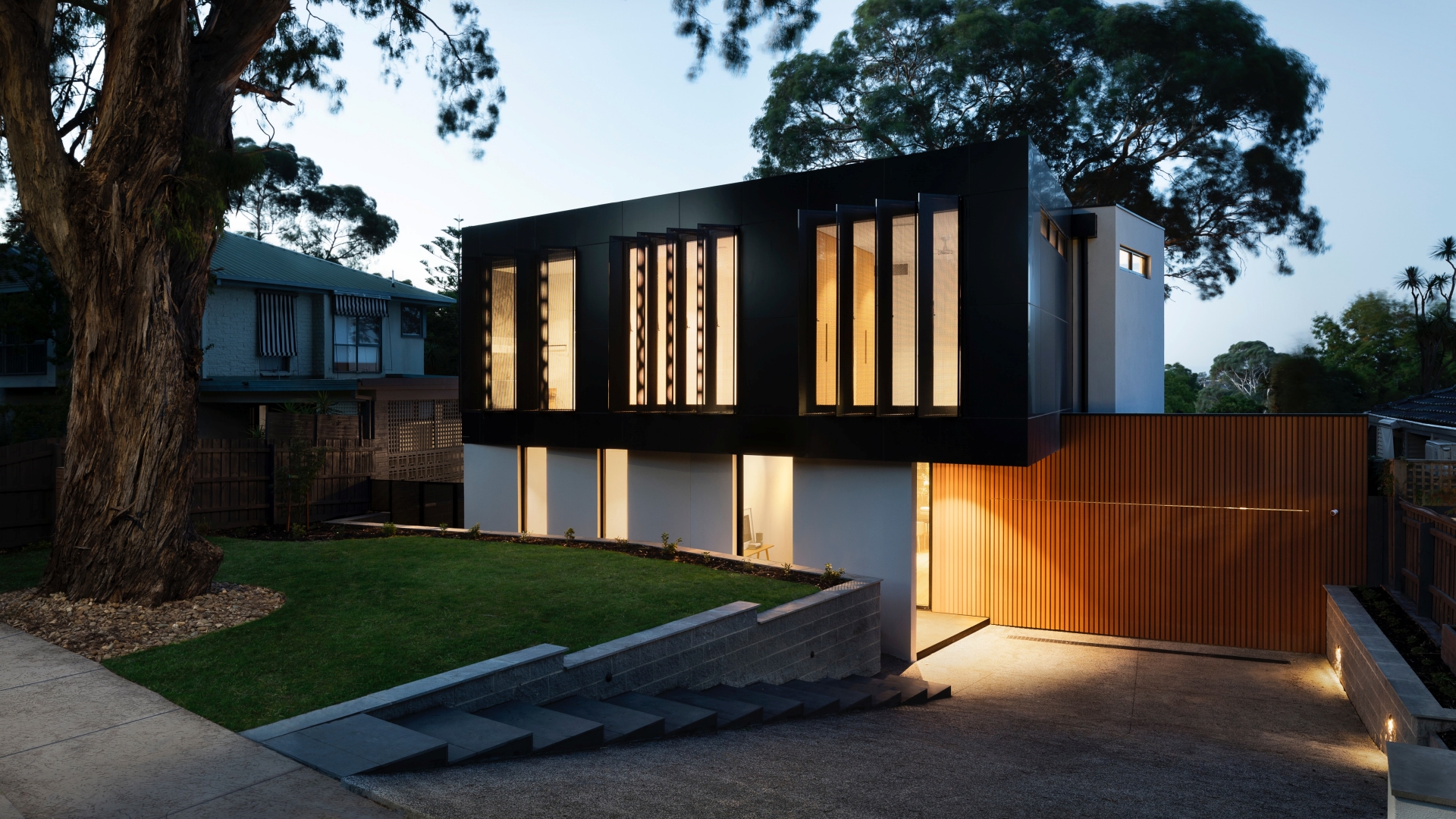

 Image Credit: Unsplash
Minimalist interiors depend on clean lines, controlled materials and surfaces that feel visually calm. Flooring covers more area than almost any other finish, so joints, colour changes and awkward thresholds can quickly disturb the design. Material selection also has practical consequences for cleaning, wear and long-term maintenance. While natural materials bring warmth and variation, continuous floor finishes can give modern rooms the quiet foundation they need. The best choice supports the architecture while coping with daily life.
The Rise of Unbroken Visual Planes
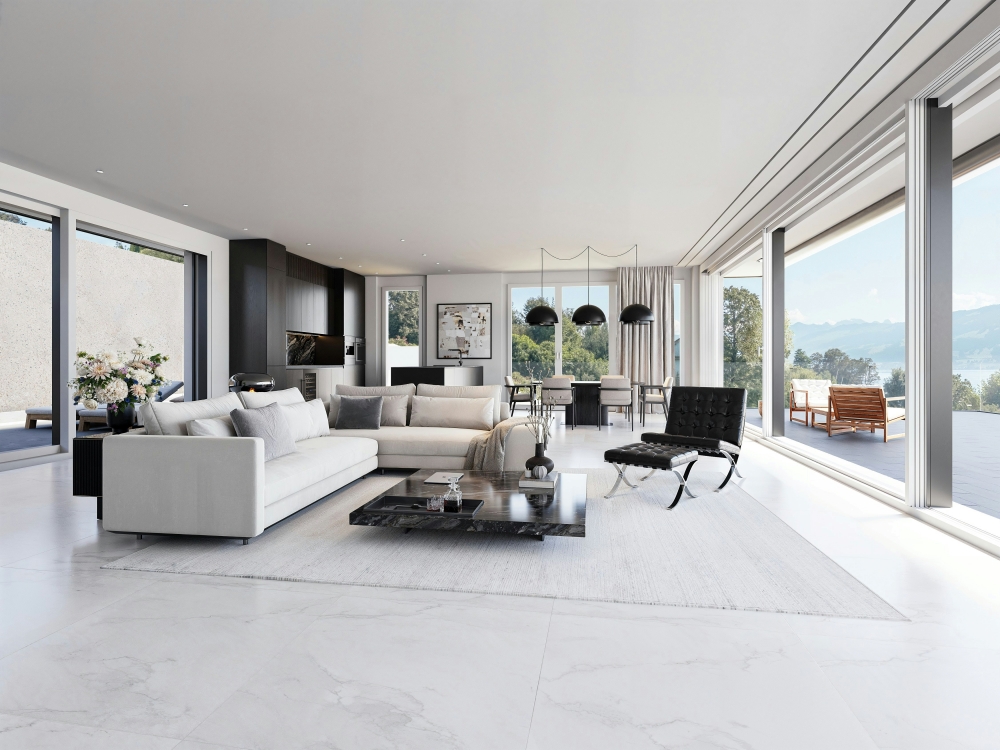
Open-plan homes have made continuous visual planes a defining feature of minimalist architecture. When the same floor runs beneath a kitchen island, dining table and lounge setting, the eye reads the area as one generous room. Fewer grout lines and material changes also reduce visual clutter.
Colour matters here. Soft grey, warm beige and muted stone tones tend to recede, allowing joinery and furniture to take focus. Large-format finishes can achieve a similar effect, though room dimensions should guide the layout. Before committing, map every doorway, floor drain and fixed cabinet. This reveals where cuts or joints may interrupt the intended plane and gives your installer time to propose cleaner alignments.
Balancing Raw Textures with Everyday Durability
Minimalist rooms often combine smooth floors with timber grain, textured render or exposed masonry. These contrasts keep an interior from feeling cold, but each material needs to suit the way the room is used. Natural stone flooring can add depth and individual character, while a resin-based surface may be more practical in a busy garage, utility area or commercial workspace.
A professionally installed epoxy flooring system can create a durable, continuous finish in spaces that need to withstand regular use. Before selecting it, check the condition of the concrete slab, expected foot or vehicle traffic and likely exposure to moisture. Careful surface preparation is essential for proper adhesion and long-term performance.
Why Modern Interiors Rely on Epoxy Flooring
Resin floor systems suit modern interiors because they create a uniform surface with few interruptions. They’re easy to sweep, don’t contain grout lines that collect grime and can be specified in colours ranging from pale neutrals to darker industrial shades. Decorative flakes or subtle tonal variation can also disguise dust and minor marks in hard-working areas.
Product selection still requires care. Ask your contractor about curing time, slip resistance and cleaning requirements. If the work is indoors, discuss ventilation and indoor air quality before installation begins. A glossy coating can brighten a dim room by reflecting light, but it may reveal scratches more readily. Satin or lightly textured finishes often provide a more forgiving result for entries, workshops and utility rooms.
Creating Seamless Transitions Across Zones
A continuous floor can connect different zones, though each area may have distinct technical needs. A kitchen requires stain resistance, an entry needs reliable grip, and a covered outdoor area must cope with changing temperatures. These requirements should be resolved during specification, not after the floor has been poured or coated.
Keep finished floor heights consistent wherever possible. Even a small level change can produce an unwanted strip at a doorway or create a trip point. Use cabinetry, rugs and lighting to define activities without changing the underlying finish. In a combined living and dining room, for example, a pendant can mark the dining zone while the floor remains uninterrupted. Where a transition is unavoidable, align it with a door leaf or joinery edge, so it appears deliberate.
Flooring should disappear into the composition until its performance is needed. Test samples in morning and evening light, confirm the substrate is sound and choose a finish that can handle the room’s actual traffic. That preparation protects the clean visual plane on which minimalist architecture depends.
Do you know someone who might enjoy this article or would find it useful? Share it!