
 Image Credit: Unsplash
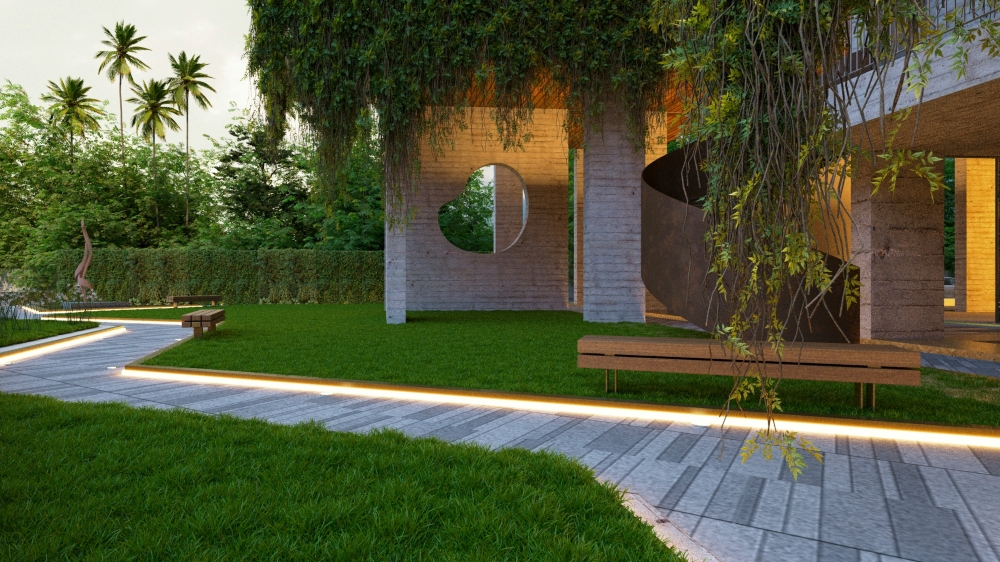
A cluttered backyard with mismatched paving, awkward transitions, and poorly planned planting can make even a modern home feel visually disjointed. Instead of enjoying a calm, sophisticated outdoor space, you may find yourself dealing with surfaces that look untidy, require constant attention, or lack practical functionality. Discover how clean architectural lines, carefully selected materials, balanced greenery, and discreet drainage can help create a minimalist garden that feels cohesive, elegant, and easy to maintain.
Embrace Restraint with Clean Structural Lines
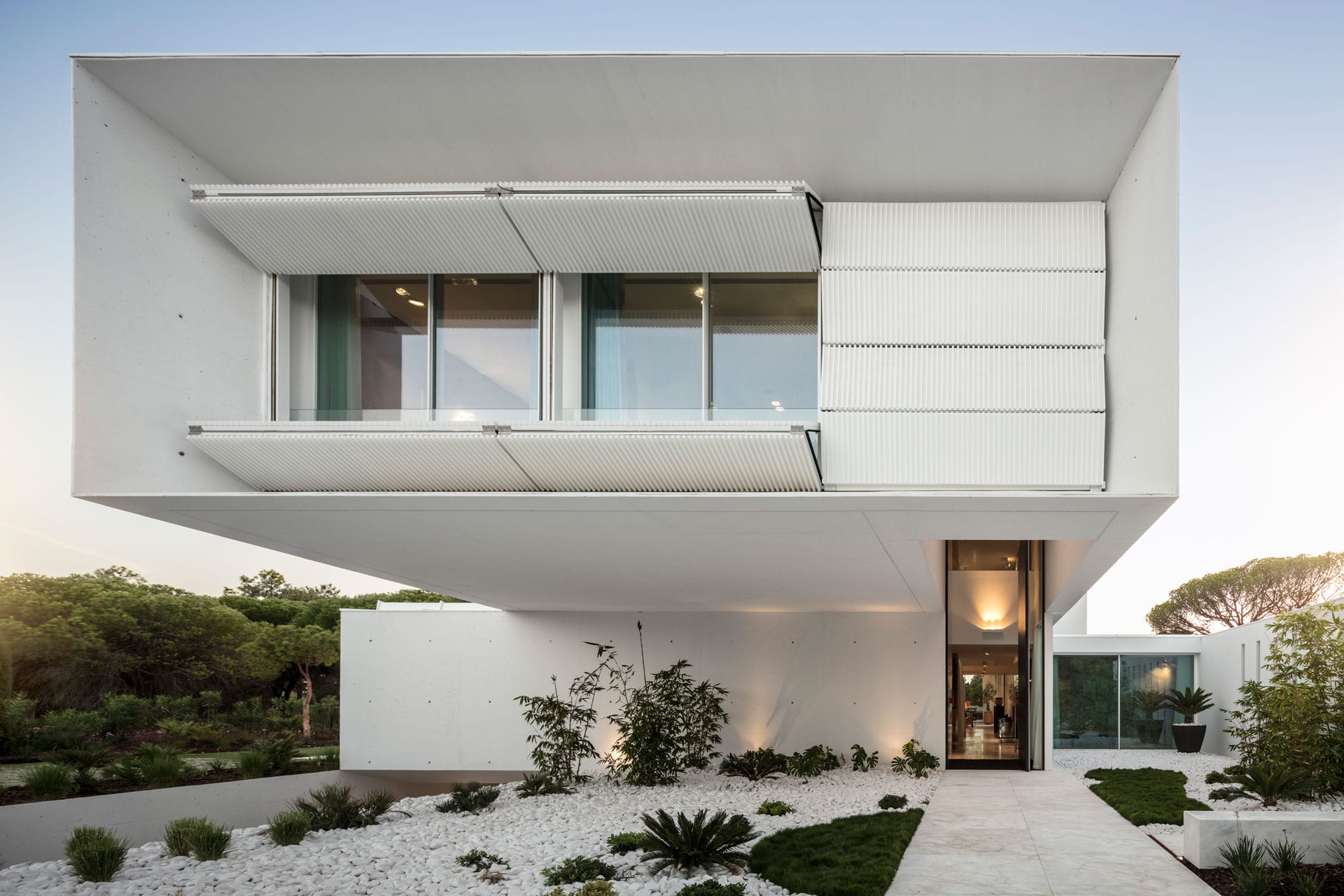
Start by extending lines already established by the house. A patio edge might follow a sliding door frame, while a path can align with a window or garden wall. These relationships make the outdoor space feel connected to the architecture without requiring decorative features.
Limit the layout to a few strong shapes and avoid narrow leftover strips that serve no purpose. On a typical rectangular lot, one main terrace and a direct path often look more resolved than several small paved zones. Consistent joint widths also matter because uneven spacing quickly disrupts an otherwise controlled composition. For more guidance on joining surfaces and levels, see this example of creating fluid transitions with modern concrete slabs.
Prioritize Material Texture Over Clutter
Use subtle surface variation to create depth. Concrete with a fine aggregate finish, lightly textured paving or restrained tonal changes can add character without introducing competing patterns. This approach works especially well around modern homes where glass, metal and smooth render already set a limited material palette.
When comparing block paving slabs, request samples when possible and view them outdoors at different times of day. Strong sunlight may reveal texture that disappears in shade. Also check how the color responds when wet, since paving can look much darker after rain. Keep the final selection focused: one principal paving material, one edging treatment, and perhaps a compatible surface for secondary paths will usually provide enough variation.
Balance Monolithic Concrete with Soft Foliage
Large concrete areas need planting to soften their scale and improve comfort. Position foliage where it can break up long edges, cast moving shadows, and frame views from inside the house. Ornamental grasses, compact evergreen shrubs and low ground covers are particularly effective because their natural forms contrast with straight paving joints.
Choose plants according to mature size, not their dimensions at the garden center. A shrub that eventually reaches six feet wide can overwhelm a narrow border and push across a walkway. The USDA Plant Hardiness Zone Map offers a useful starting point for checking climate suitability. Leave sufficient soil volume around planting pockets too, since small openings surrounded by concrete dry out quickly during warm weather.
Keep Drainage Discreet and Functional
Plan drainage before selecting slab sizes or fixing finished levels. Paved surfaces should direct runoff away from the house without creating visible dips or channels across primary walking routes. A consistent, shallow slope is usually less noticeable than corrections made after installation.
Linear drains can sit beside doors, retaining walls, or planting beds where their grates follow existing architectural lines. Permeable joints may also help water enter the ground, depending on the base construction and local soil. The EPA guidance on green infrastructure explains how permeable surfaces can support stormwater management. Keep inspection points accessible, even when concealed beneath removable grates or coordinated covers, so leaves and sediment can be cleared before water begins to pool.
A successful minimalist garden often comes down to the joint plan. Set it out on paper before installation, checking how every paving line meets doors, steps, drains, and planted edges. That small drawing can prevent awkward cuts and preserve the calm geometry that defines the finished space.
Do you know someone who might enjoy this article or would find it useful? Share it!