
An above-ground pool is a fantastic addition to any outdoor space, providing a convenient way to enjoy swimming and relaxation at home. While the pool itself often receives the most attention, the pump is one of the most important components in the entire system. It is responsible for circulating water, supporting filtration, and helping maintain a clean and healthy swimming environment. Without proper care, even the most reliable above-ground pool pump can experience reduced efficiency, higher operating costs, and premature wear. Understanding a few essential maintenance practices can make a significant difference in keeping the system operating smoothly for years to come.
Understanding the Role of a Pool Pump
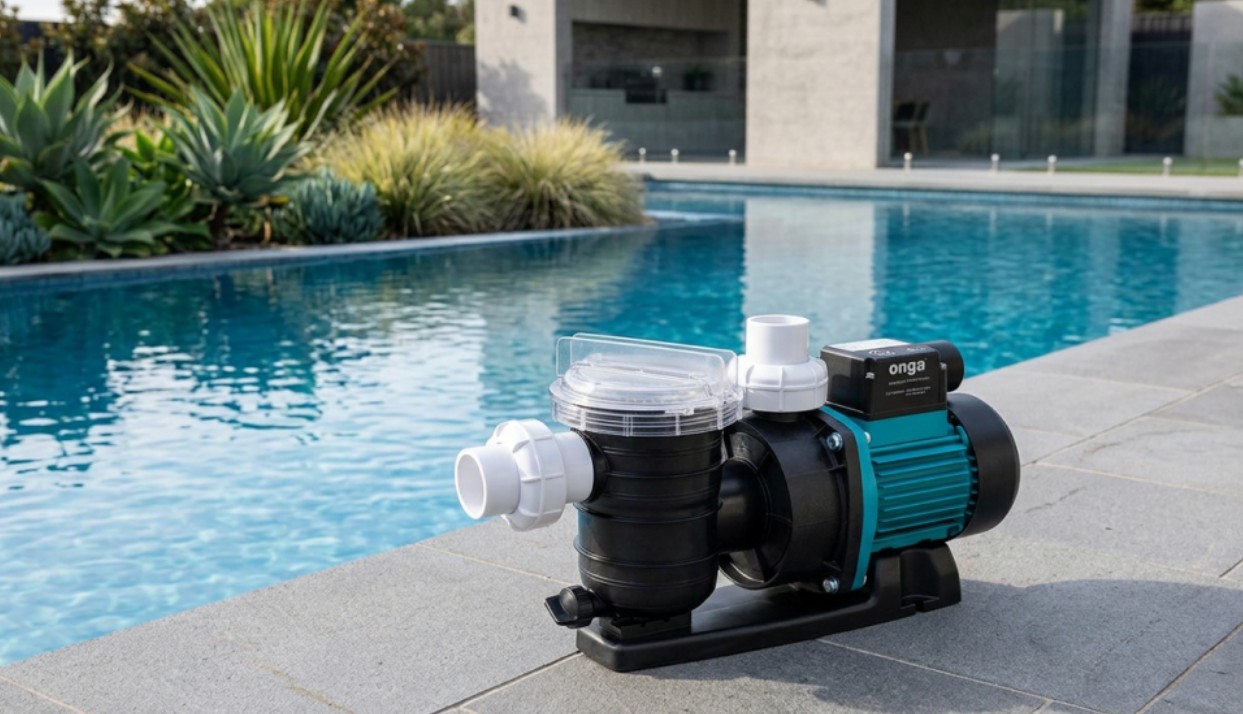
Before discussing maintenance techniques, it is helpful to understand why the pump plays such a critical role in pool operation. The pump draws water from the pool, pushes it through the filtration system, and returns clean water to the pool. This continuous circulation process helps remove debris, distribute chemicals evenly, and prevent stagnant water conditions.
Because the pump operates regularly during the swimming season, it is subject to ongoing mechanical stress. Components such as seals, impellers, motors, and baskets are constantly working, making routine inspections and servicing essential for long-term reliability.
Essential Care Tips for Above-Ground Pool Pump Performance
Keep the Pump Basket Clean
One of the simplest yet most effective maintenance tasks is cleaning the pump basket regularly. Leaves, insects, dirt, and other debris can quickly accumulate inside the basket, restricting water flow and forcing the pump to work harder than necessary.
Checking the basket at least once a week and more frequently during periods of heavy debris can help maintain optimal performance. When cleaning the basket:
- Turn off the pump before opening the lid.
- Remove accumulated debris carefully.
- Rinse the basket thoroughly with clean water.
- Inspect for cracks or damage before reinstalling.
Maintaining a clean basket allows water to move freely through the system and reduces stress on internal components.
Monitor Water Levels Consistently
Pool water levels directly affect pump operation. If the water level drops too low, the pump may begin drawing air instead of water. This condition, often called running dry, can cause overheating and damage to internal parts.
Water levels should generally remain around the midpoint of the skimmer opening. Regular monitoring becomes especially important during hot weather, after heavy pool use, or following periods of evaporation.
Maintaining proper water levels helps ensure efficient circulation while protecting the pump from unnecessary wear.
Inspect and Clean the Filter System
A pump and filter work together to keep pool water clean. When the filter becomes clogged, the pump must exert additional effort to move water through the system.
Signs that the filter may need attention include:
- Reduced water flow
- Increased pressure readings
- Cloudy water
- Longer filtration cycles
A clean filter supports efficient pump operation and contributes to better overall water quality.
Check for Leaks and Air Infiltration
Small leaks can often go unnoticed until they begin affecting performance. Air entering the circulation system can reduce efficiency and create operational problems.
Regularly inspect pump fittings, connections, seals, and the pump lid for signs of leaks or wear. Cracked O-rings and loose fittings are common causes of air infiltration.
Some indicators of potential issues include:
- Air bubbles returning to the pool
- Unusual pump noises
- Difficulty maintaining prime
- Visible water leaks around equipment
Addressing minor issues early can prevent more extensive repairs later and help maintain consistent pump performance.
Protect the Pump Motor
The motor is the driving force behind the entire circulation system, making its protection a priority. Dirt, dust, and moisture can negatively affect motor performance over time.
Keep the area around the pump clean and free from obstructions. Adequate airflow helps prevent overheating and supports efficient operation. It is also important to listen for unusual sounds during operation. Grinding, rattling, or excessive vibration may indicate worn bearings or other developing issues that require professional attention.
Establish a Regular Maintenance Schedule
Many pool owners wait until a problem occurs before inspecting their equipment. A proactive maintenance schedule is far more effective and can significantly extend equipment life.
Routine inspections help identify potential issues before they develop into costly repairs. Working with an experienced pool builder in Bendigo ensures your pool is regularly assessed, allowing minor problems to be addressed early and preventing them from affecting performance or leading to more significant maintenance expenses.
Prepare the Pump for Seasonal Changes
Seasonal changes can affect pump performance and longevity. During periods of reduced pool use, taking steps to protect equipment can help prevent unnecessary wear.
Cleaning the system thoroughly before extended shutdown periods is recommended. Removing debris, checking seals, and ensuring all components are functioning correctly can reduce the likelihood of issues when the system is restarted.
Recognise Early Warning Signs
Many major pump failures begin with minor symptoms that are easy to overlook. Paying attention to changes in performance can help prevent costly repairs and downtime.
Common warning signs include:
- Reduced water circulation
- Unusual noises
- Increased energy usage
- Frequent loss of prime
- Leaking water
- Excessive vibration
Addressing these issues promptly often prevents further damage and extends the overall lifespan of the equipment.
Conclusion
An above-ground pool pump is one of the hardest-working components in any pool system, making regular maintenance essential for lasting performance. By adopting a proactive maintenance approach and addressing small issues before they become major problems, pool owners can enjoy dependable circulation, cleaner water, and reduced operating costs. Consistent care not only protects the pump investment but also contributes to a safer, more enjoyable swimming experience for years to come.
Frequently Asked Questions
How often should an above-ground pool pump be maintained?
Basic maintenance should be performed weekly, including cleaning the pump basket and checking water levels.
What are the signs that a pool pump needs servicing?
Common signs include reduced water circulation, unusual noises, excessive vibration, water leaks, higher energy consumption, and difficulty maintaining proper water flow.
Can a dirty filter affect pool pump performance?
Yes. A clogged or dirty filter restricts water flow, forcing the pump to work harder. This can increase energy usage, reduce efficiency, and place unnecessary strain on the pump motor.
Why is a proper water level important for a pool pump?
The pump relies on a consistent supply of water to operate correctly. If the water level becomes too low, the pump may draw in air, which can lead to overheating and reduced performance.
Can regular maintenance extend the lifespan of a pool pump?
Yes. Routine maintenance reduces wear on components, improves efficiency, and helps identify minor problems before they become major failures.
Do you know someone who might enjoy this article or would find it useful? Share it!