
You know that a breathtaking building isn’t just about bold façades; it’s the hidden pipes that keep the vision alive. When you sketch that sweeping atrium or cantilevered balcony, you’ll also map gradients, venting, and access points, because water ignores wishful thinking. Reading the candid feedback on Dan’s Plumbing can sharpen your sense of what works on site versus what only looks good on paper when the valves finally open.
Early Concept Planning
Mapping plumbing routes during schematic design preserves creative freedom later, so allocate time alongside massing studies to anticipate fixture clusters, chases, and wet-wall alignments from day one.
- Use bubble diagrams: Quick circles representing kitchens, baths, and laundries reveal logical stacking cores that minimize pipe length, cost, and future leak paths.
- Coordinate structural grids: Align joists and beams with planned risers to avoid costly notching or soffits that could compromise the minimalist, open-concept ceiling you promised.
- Reserve vertical shafts: Mark two-hour rated chase zones early; late relocation forces eccentric pipe runs that amplify pump energy and maintenance complexity.
- Hide horizontals smartly: Raised floors, dropped beams, or furniture-backed pony walls let you bury supply and waste while maintaining seamless sightlines across shared living areas.
Finish concept studies with a plumbing overlay; this simple step prevents aesthetic compromises later and reassures clients that invisible infrastructure remains as elegant as the visible architecture.
Precision Drafting Techniques
Digital accuracy eliminates guesswork; leveraging cloud-based CAD platforms streamlines revisions, automates schedules, and produces clash-free shop prints that installers can trust on hectic job sites.
Adopt intelligent objects
Parametric pipe families know diameters, fitting types, and code limits, so resizing a branch automatically updates the bill of materials and avoids field redlines.
Layer discipline matters
Separate supply, waste, vent, and gas on distinct layers with consistent colors; clear graphics speed plan reviews and let consultants overlay models confidently.
Exploit automated take-offs
Material counts generated directly from the model support just-in-time delivery, reducing theft, onsite clutter, and the carbon footprint of excessive trucking.
Integrate with BIM coordination
Publishing IFC or RVT files weekly invites architects and structural teams to detect collisions early, trimming rework allowances and keeping budgets intact.
Integrated Space Layouts
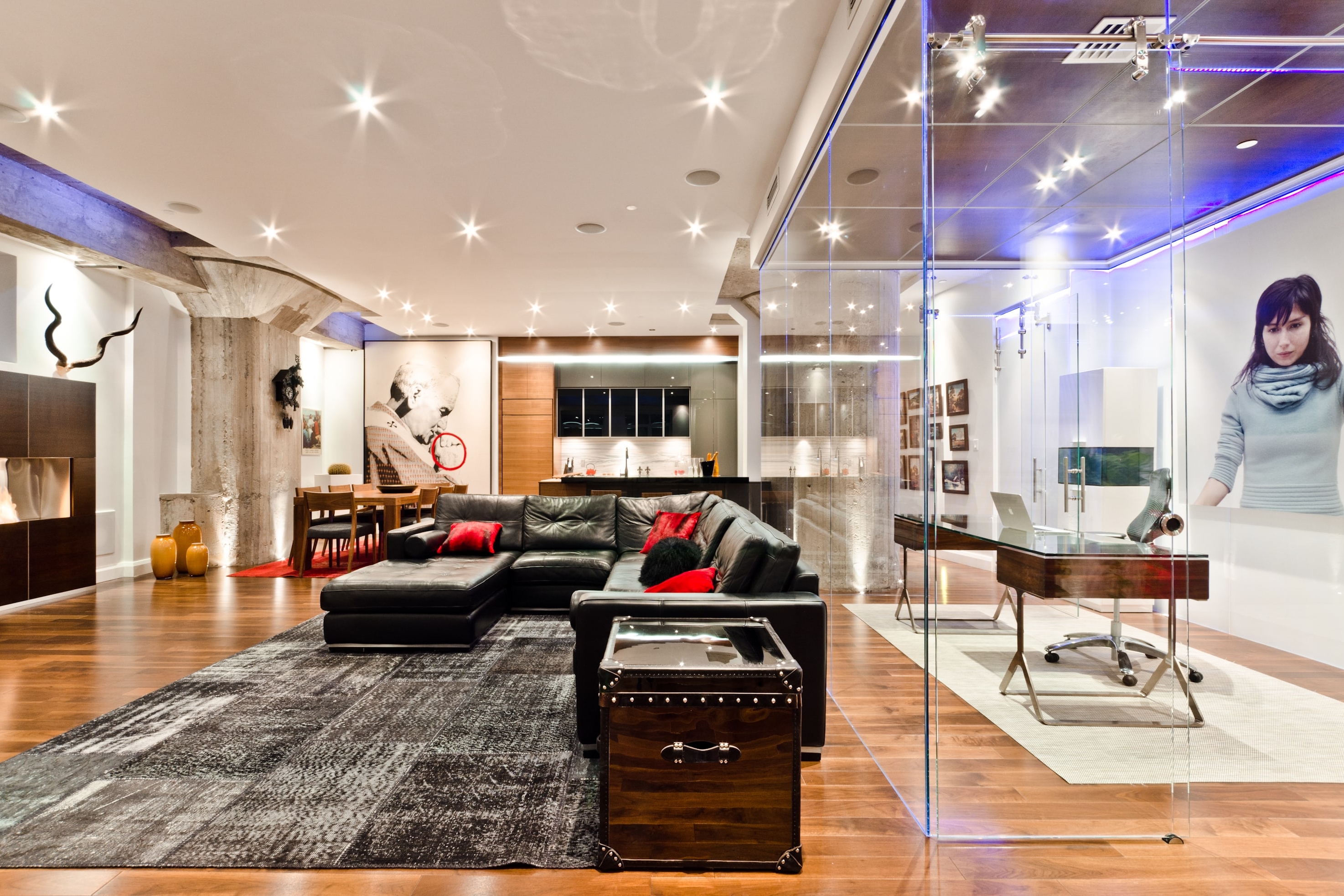
Open-plan interiors demand stealthy pipe routing; conceal services without disturbing the airy ambience by fusing architectural elements and mechanical strategy into a single spatial narrative.
- Cabinet concealment: Vanities, island bases, and tall pantry walls double as service corridors, masking traps and valves behind easily removable panels.
- Beam camouflaging: Decorative glulam or steel channels can cradle supply lines, transforming mechanical necessity into sculptural ceiling rhythm.
- Floor plenums: A slim raised floor hides drain branches while allowing future reconfiguration, perfect for adaptive reuse lofts and creative studios.
- Fixture zoning: Group wet areas back-to-back to shorten drainage runs and preserve uninterrupted glazing along perimeter walls.
Reference the detailed strategies in this illustrarch guide to visualize real-world applications of concealed plumbing in expansive living spaces.
Code-Compliant Pipe Sizing
Right-sized pipes ensure pressure balance, energy efficiency, and occupant comfort; oversizing wastes money while undersizing yields anemic showers that tarnish even the most breathtaking bathrooms.
Follow IPC Appendix E charts
The International Plumbing Code provides velocity limits and fixture-unit tables; use them, not rules of thumb, when calculating manifold diameters and branch reductions.
Factor simultaneous demand
A multifamily tower rarely runs every shower together; probabilistic modeling trims mains without risking morning rush, reducing both material and pump horsepower.
Account for future loads
Design schools or hospitals with capped tees for expansions; upsizing one nominal step now averts disruptive slab core drilling a decade later.
Sustainable Plumbing Solutions
Water scarcity pushes architects toward systems that sip, recycle, and harvest; sustainable plumbing lowers utility bills and elevates a project’s environmental storytelling.
Specify ultra-low fixtures
EPA WaterSense faucets, 0.8 gpf toilets, and 1.5 gpm showerheads slash consumption while maintaining luxury through clever aeration and pressure-compensating valves.
Integrate greywater loops
Reuse lavatory and laundry discharge for irrigation or flushing, cutting potable demand up to forty percent and easing municipal sewer loads.
Harvest rain on structure
Roof cisterns feeding cooling towers or hose bibbs shrink storm runoff and earn LEED points, especially in climates with pronounced wet seasons.
Coordinated MEP Drawings
MEP drawings act as the common language among trades; thorough coordination transforms abstract intent into buildable reality and eliminates surprises in the field.
Create clash-detection workshops
Weekly Navisworks sessions with HVAC, electrical, plumbing, and structure teams surface conflicts early, allowing inexpensive digital fixes instead of costly change orders.
Annotate access zones
Clearances for valve maintenance, trap primers, and cleanouts must appear on plans so framers frame openings and finish carpenters provide discreet panels.
Issue sequencing diagrams
Color-coded timelines show when each trade occupies a corridor, reducing congestion and ensuring critical pressure tests occur before drywall installation.
3D Visualization Methods
Immersive models translate complex piping into intuitive views; clients and inspectors can virtually walk service chases, fostering trust and uncovering design tweaks early.
- Isometric exports: Software like Chief Architect generates clear 3D plumbing isometrics, conveying slope directions and vent terminations better than flat elevations.
- Augmented reality: Tablet-based AR overlays hidden pipes onto framed walls, guiding installers and documenting exact riser locations for future renovations.
- Animated sequences: Step-by-step assembly videos derived from the model double as onsite training, boosting quality and shortening learning curves for apprentices.
- Client fly-throughs: Rendered walkthroughs demystify mechanical spaces, helping non-technical stakeholders appreciate the coordination effort behind their sleek spa bathroom.
Three-dimensional clarity curbs misinterpretation, so invest in visualization to avoid costly rework and to impress prospective tenants with transparent engineering rigor.
Avoiding Design Pitfalls
Even seasoned teams can stumble; recognizing common missteps early safeguards budgets, schedules, and reputations while keeping the finished architecture uncompromised.
Respect slope requirements
Chasing aggressive floor elevations often yields flat drains; maintain minimum quarter-inch per foot fall or risk chronic clogs and warranty callbacks.
Provide vent continuity
Isolated fixtures without proper venting gurgle noisily and siphon traps, a nightmare for high-end residences where silence equals luxury.
Detail thermal expansion
Pex and copper both move; without sleeved penetrations and expansion loops, hidden stresses eventually manifest as mysterious pinhole leaks in finished ceilings.
Advanced Fixture Integration
Smart, sensor-driven fixtures elevate user experience and brand perception; integrating their technical needs early prevents awkward retrofits or visible conduit runs.
- Touchless controls: Infrared faucets require power sources; specify low-voltage wiring paths concurrent with plumbing rough-in to hide transformers gracefully.
- Digital showers: Mixing valves mounted remotely free the wall face for large-format tile, but demand access panels sized for future firmware upgrades.
- Leak-monitor systems: Inline ultrasonic meters send alerts to building dashboards, averting catastrophic damage in art galleries and luxury condos.
- Vacuum waste lines: Food courts benefit from flexible vacuum drainage that supports dynamic tenant layouts without saw-cutting existing slabs.
Explore data-rich case studies on ICC resources to understand regulatory pathways when integrating emerging fixture technologies within jurisdictional frameworks.
Collaborative Workflow Futures
The next decade belongs to teams that collaborate seamlessly; shared digital twins, early procurement input, and continuous feedback loops redefine how architecture and plumbing co-evolve.
Embrace integrated project delivery
Contracts aligning architect, engineer, contractor, and owner around common goals foster transparency, speed decisions, and reward collective problem-solving over siloed blame.
Leverage real-time dashboards
Cloud-hosted platforms display submittal status, sensor data, and cost forecasts, empowering all stakeholders to adapt proactively rather than react defensively.
Invest in cross-training
When designers grasp valve selections and plumbers understand aesthetic intent, the resulting spaces marry utility and beauty in ways clients instantly recognize and celebrate.
Final Pipe Notes
You now recognise that architectural plumbing excellence arises from early alignment, rigorous calculation, and shared visualization. Apply these checkpoints, reference field-tested answers at dansplumbingfaq.com.au, and continuously review drawings against reality. Doing so lets you deliver systems that disappear into architecture while performing reliably for decades under varied loads and occupancies.
Do you know someone who might enjoy this article or would find it useful? Share it!