
 Image credit: Unsplash
A well-designed home isn’t just pretty to look at; it can actually make you healthier and happier. When you pick out materials, plan layouts, and choose fixtures carefully, you end up with a space that’s not only beautiful but also super easy to keep clean and fresh. It’s like building cleanliness right into your home’s DNA.
The Importance of Clean Surfaces
Think of your home’s surfaces as the front lines in the fight for a clean space. Things like kitchen counters and door handles can easily collect germs and allergens. Wiping down these high-touch spots regularly is key to a healthy home. The whole idea behind designing for hygiene is to make that cleaning job as simple and effective as possible. When your surfaces are smooth and easy to wipe, you spend less time and effort cleaning and disinfecting your home. That makes it way easier to stick to your cleaning routine.
Non-Porous Materials for Kitchens
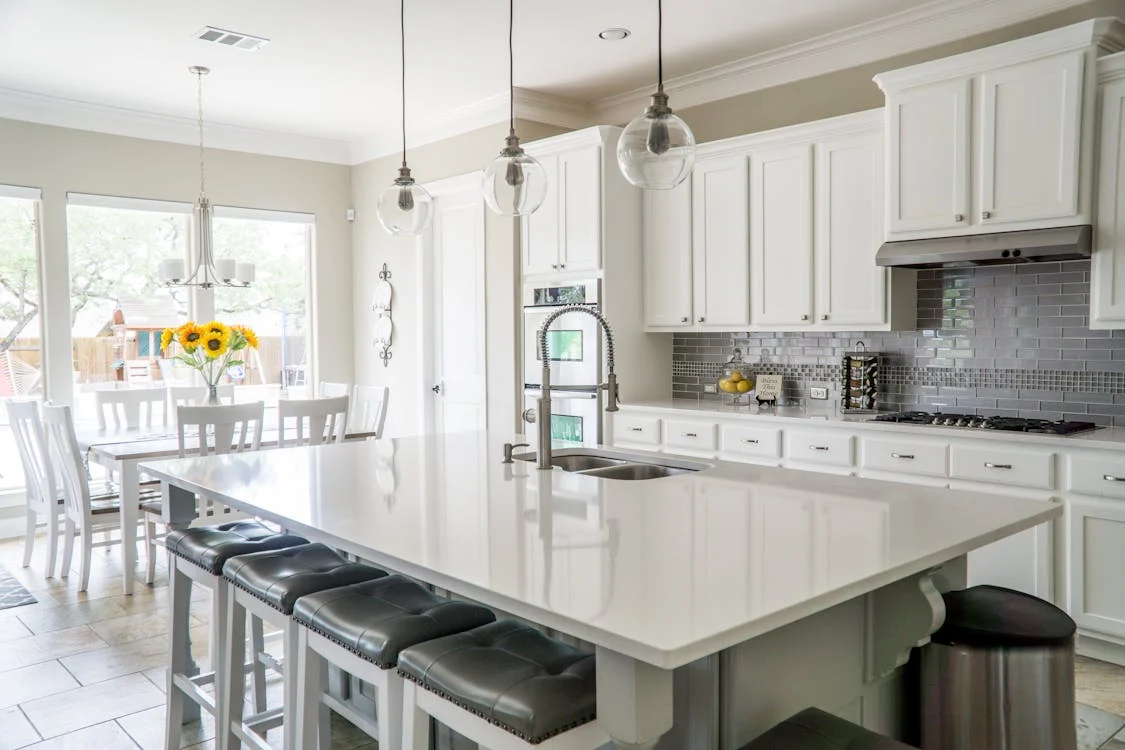
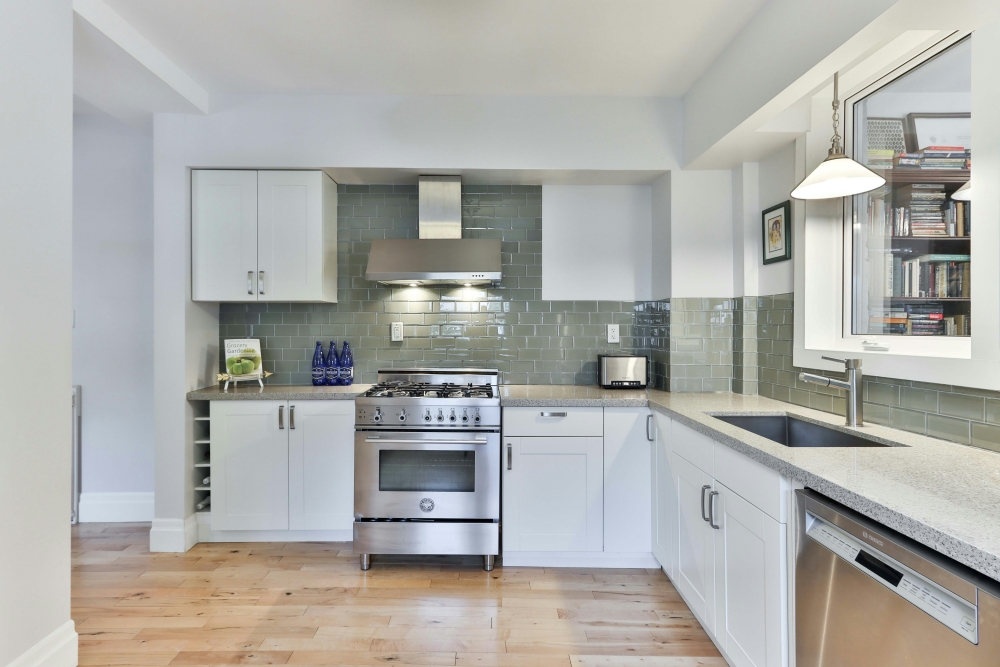
The kitchen is often called the heart of the home, but it’s also a favourite spot for bacteria to hang out. To keep your kitchen hygienic, a smart move is to choose non-porous materials. Unlike porous stuff, like unsealed wood or regular tile grout, non-porous surfaces don’t have tiny holes where moisture and germs can hide.
Materials like quartz, stainless steel, and solid surface composites are fantastic for countertops because they’re smooth and they resist stains and bacterial growth. For the walls, especially behind the stove where things can get messy, using toughened glass splashbacks gives you a sleek, modern look without the headache of scrubbing grout lines. Usually, a quick wipe is all it takes to make them shine.
Bathroom Design for Easy Cleaning
Bathrooms come with their own set of hygiene challenges, mostly because of all the moisture. But designing your bathroom to be easy to clean can make a huge difference. Here are some ideas:
- Wall-hung fixtures: A toilet and vanity that are mounted on the wall leave the floor clear underneath. This makes mopping super easy, with no awkward corners to try to reach.
- Big tiles: Using larger tiles on your floors and walls means way fewer grout lines. Grout is porous and can easily trap mould and mildew, so cutting down on it is a big win for hygiene.
- Frameless glass shower screens: These are much simpler to clean than framed versions or shower curtains, which can get grimy with soap scum and mildew. Just a quick squeegee after each shower keeps the glass sparkling.
Minimalist Approaches to Reduce Clutter
Clutter doesn’t just make a room feel messy; it also gives dust more places to land and makes cleaning a real pain. A minimalist design approach can actually help you keep a cleaner home. When you have fewer, more thoughtfully chosen items, you cut down on all those little knick-knacks and objects you have to move and dust. When you’re picking out furniture, look for pieces with clean, simple shapes.
For example, designs that are raised off the floor on legs make it easy to clean underneath. Thinking about how easy something will be to clean before you buy it can really make a difference in how much work your home takes to maintain.
When you think about hygiene right from the start of your home design, you end up with a place that’s not only stylish but also a healthier and more enjoyable space to live in.
Do you know someone who might enjoy this article or would find it useful? Share it!