
The groundwork of any development needs to be considered with care and attention. Referring to the foundational approach for project design, there needs to be a significant amount of preparation in those initial stages before implementing the larger plans.
Within construction, clearing and preparing the site is key, as is establishing the essential infrastructure before the main structure is built.
In this guide, we’ll take a good look at why groundwork is so important and why it should come first in property design. What are the common mistakes that architects make when it comes to site prep? What materials are best for ensuring the building is well supported and structurally sound?
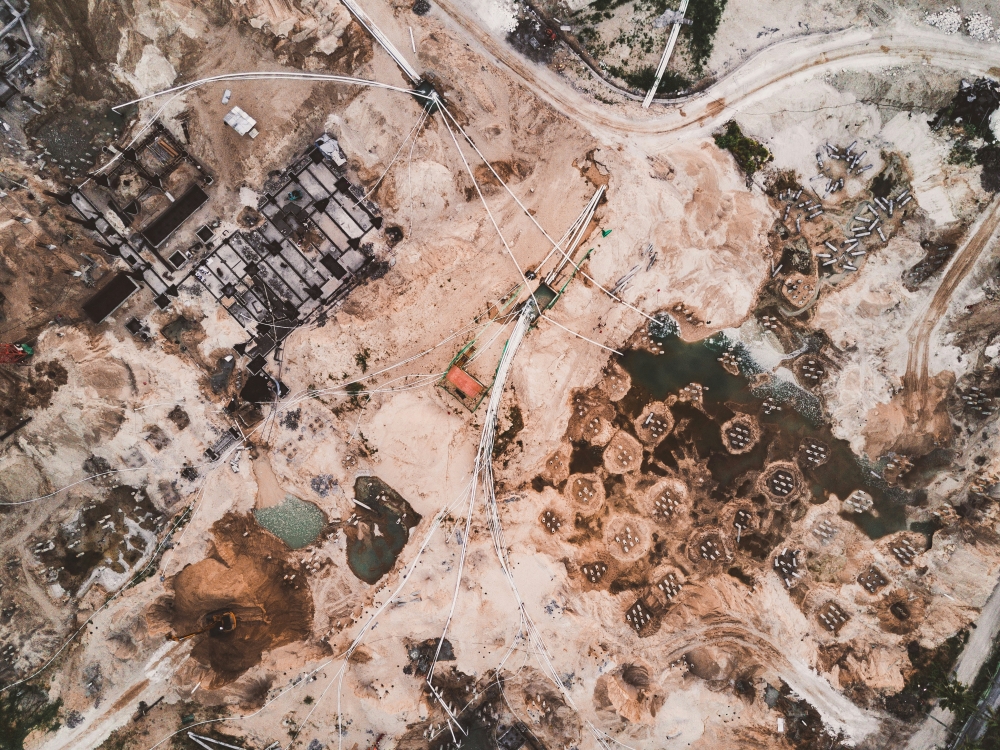 Image Source
Why the base layer deserves a seat at the design table
The base layer is an important part of any building project because it provides a stable and strong foundation for any construction or landscaping project.
Ensuring structural stability and longevity are two of the crucial elements you want with a construction or landscaping project, which is why the base layer is certainly important to have from the beginning.
Structural integrity and stability
With the base layer supporting the entire structure above it, you’re definitely something structurally sound and won’t crack or sink under the pressure that often happens to some buildings over time.
Effective drainage
Drainage is another important one, especially as it prevents water from pooling, which can then erode the structure and potentially cause damage to the underlying layers.
Preventing future problems
It’s good to try and prevent future problems from occurring when it comes to poor groundwork. Investing time into proper preparation helps to save money and a lot of hassle in the long run.
Enhanced longevity
Creating a strong and stable base ensures good drainage, as well as helping to significantly extend the lifespan of the project. Whether that’s a patio, driveway, or artificial lawn.
Safety and smooth installation
If the base of the property is well-prepared, then the rest of the construction has a safe and stable surface to sit on. That also ensures a smooth and hazard-free process for all those involved.
Improved load-bearing capacity
Compacting the sub-base layers and subgrade layers can help to build a stronger foundation, which can bear the weight above it more effectively. This can further enhance its stability.
Typical steps involved in groundwork
- Site clearance – The removal of existing obstacles so the area is fully prepared for construction.
- Excavation – Digging the grounds to the correct depth and removing any soil or other material.
- Compaction – Compressing of sub-base materials to help create a firm and stable foundation.
- Drainage installation – Implementing drainage systems to help manage and channel away water from the structure.
- Levelling – Making sure the ground is flat and level, or graded appropriately for drainage success.
Common mistakes architects make with site prep
There are common mistakes and errors that architects will typically make when it comes to site prep. Whether that’s underestimating project costs to ignoring local building codes and planning conditions.
With that being said, here are a few to watch out for if you’re responsible for site prep soon.
Ignoring site conditions
Site conditions aren’t something you should ignore by any means. Architects will often focus too much on the building design and, as such, overlook site-specific factors like drainage, soil type, and local wear.
Misjudging buildability
Designs that look good on paper might not translate so well when put into practice. They may prove more difficult or expensive to construct in reality, which is why it’s important to be realistic about what’s possible and what’s not is essential.
Underestimating costs and timelines
Architects can often underestimate the total project budget, as well as the time required for site preparation.
Poor planning and preparation
Rushing the design process due to poor planning or not developing a schedule of works for the site preparation phase can lead to inefficiencies and mistakes.
Disregarding local codes
A disregard for local codes and regulations can result in non-compliant structures, which will ultimately require modification and potential fines or delays in the process.
Choosing the right foundation materials for lasting impact
It’s important that architects choose the right foundation materials to make a lasting impact. So with that in mind, there are a few foundation materials to consider. These include the following:
Concrete
A great choice due to its compressive strength, resistance to moisture, durability, rot, and soil pressure. There’s also fiber-reinforced concrete that you can get that contains fibers that enhance its resistance to cracking and improve overall performance.
Granite
For good base materials, granite is an exceptionally strong material that’s long-lasting and ideal for foundations. It can withstand heavy loads and harsh weather conditions.
Galvanized steel piers
Providing a hard-wearing resilience and good corrosion resistance, galvanized steel piers are definitely worth an investment for groundwork.
Groundwork is an essential part of the building process, so it’s an important one that you shouldn’t skip by any means. Use these tips to make sure your structures are strong from the bottom to the top.
Do you know someone who might enjoy this article or would find it useful? Share it!