
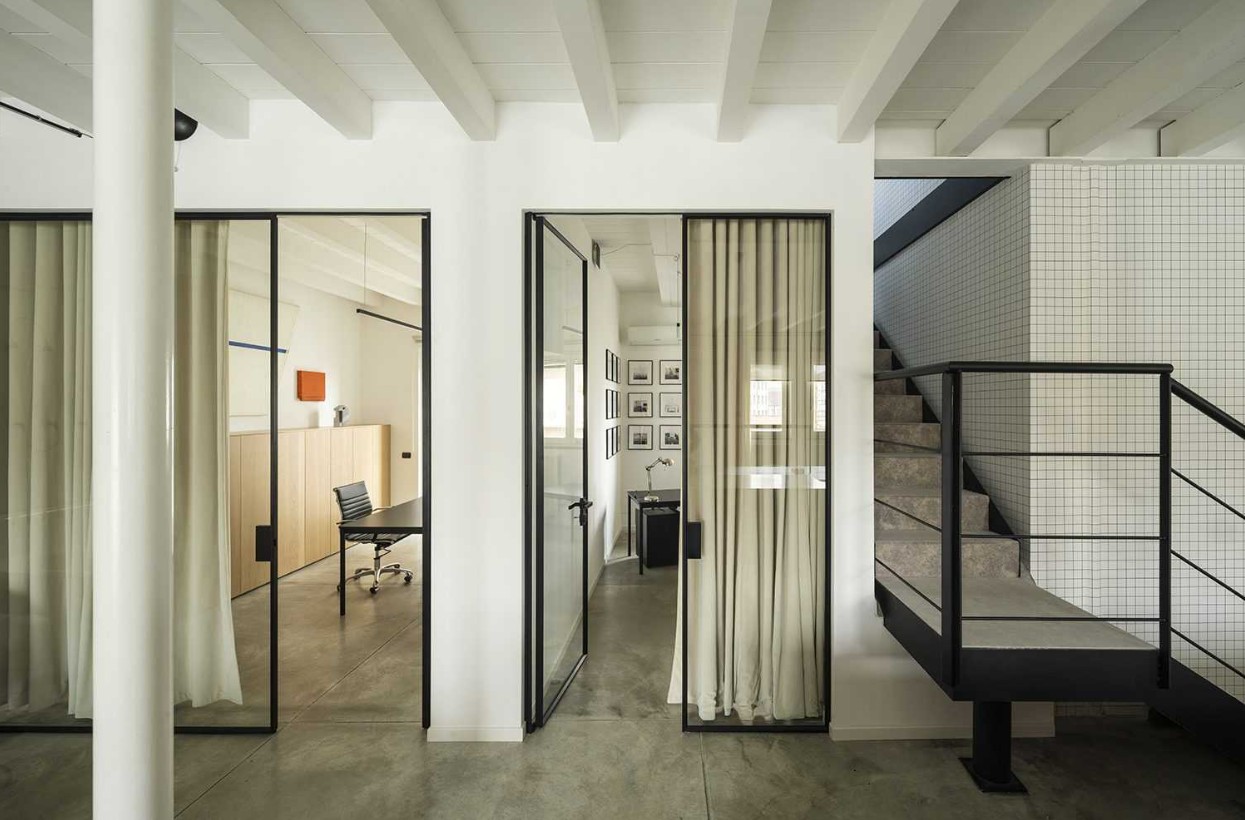
In today’s business landscape, design is no longer just about appearances. A modern office or showroom must support productivity, reflect brand identity, and respond to growing expectations around sustainability. For companies across the United States, sustainable interior design has become a strategic advantage rather than a niche preference. It helps create healthier work environments, reduces long-term operating costs, and communicates a clear message about innovation and responsibility.
Whether a company is renovating a corporate office, designing a retail showroom, or updating a client-facing workspace, sustainability can shape the project in meaningful ways. The most successful interiors now combine visual sophistication with practical performance. In other words, they do not simply look polished; they work better for the people who use them every day.
For those looking to explore which strategies to adopt and how to effectively integrate these innovations into a complete project, it is worth reviewing real-world approaches developed by Archventil. Their work showcases a range of case studies and integrated solutions in sustainable interior design, offering valuable insights into how contemporary practices can be applied in both commercial and residential environments. Exploring these examples provides a clearer understanding of how thoughtful design strategies translate into tangible results.
Why sustainable Interior Design matters more than ever
Sustainable design is often associated with materials and certifications, but its real value goes much deeper. In commercial interiors, it influences how people feel, interact, and perform. Employees tend to respond positively to spaces with better lighting, cleaner air, ergonomic layouts, and natural materials. Customers notice when a showroom feels welcoming, organized, and intentional. These reactions can directly affect workplace morale, client trust, and even sales performance.
Businesses are also under increasing pressure to make environmentally responsible choices. Investors, customers, and employees pay close attention to how brands operate. A thoughtfully designed interior can become a visible part of that commitment. Sustainable offices and showrooms show that a company is forward-thinking, efficient, and serious about long-term value.
Start with space planning, not just materials
One of the biggest mistakes in commercial renovation is focusing on finishes too early. A sustainable interior begins with smart space planning. Before choosing flooring, paint colors, or lighting fixtures, it is essential to analyze how the space will actually be used. This means understanding circulation, collaboration patterns, private work needs, customer flow, storage requirements, and the relationship between natural and artificial light.
When a layout is carefully planned, the entire project becomes more efficient. There is less waste, fewer unnecessary structural changes, and a lower risk of expensive adjustments later. A well-organized floor plan can also reduce the need for excess furniture, improve energy performance, and make the space more adaptable over time. For offices, this could mean flexible workstations and multi-use meeting zones. For showrooms, it could mean better product visibility, smoother traffic patterns, and a stronger connection between merchandise and brand storytelling.
Choose materials that balance beauty and durability
Material selection is one of the most visible aspects of sustainable interior design. However, sustainability should not mean sacrificing style. In fact, some of the most elegant commercial interiors rely on natural, low-impact, and long-lasting materials that age beautifully and require less frequent replacement.
For modern offices and showrooms, strong options include responsibly sourced wood, recycled metal, low-VOC paints, natural linoleum, durable textiles, and stone surfaces with a long life cycle. These materials can bring warmth and texture to a space while supporting indoor air quality and reducing environmental impact.
Durability matters just as much as origin. A beautiful material that wears out quickly creates waste and drives up maintenance costs. High-traffic business environments need surfaces that can withstand daily use without losing their visual appeal. The best sustainable choices are often those that combine longevity, ease of care, and timeless design.
Lighting as a tool for wellness and brand experience
Lighting is one of the most powerful and most underestimated elements in interior design. In a workplace, it influences concentration, comfort, and energy levels. In a showroom, it defines atmosphere, highlights products, and guides movement through the space.
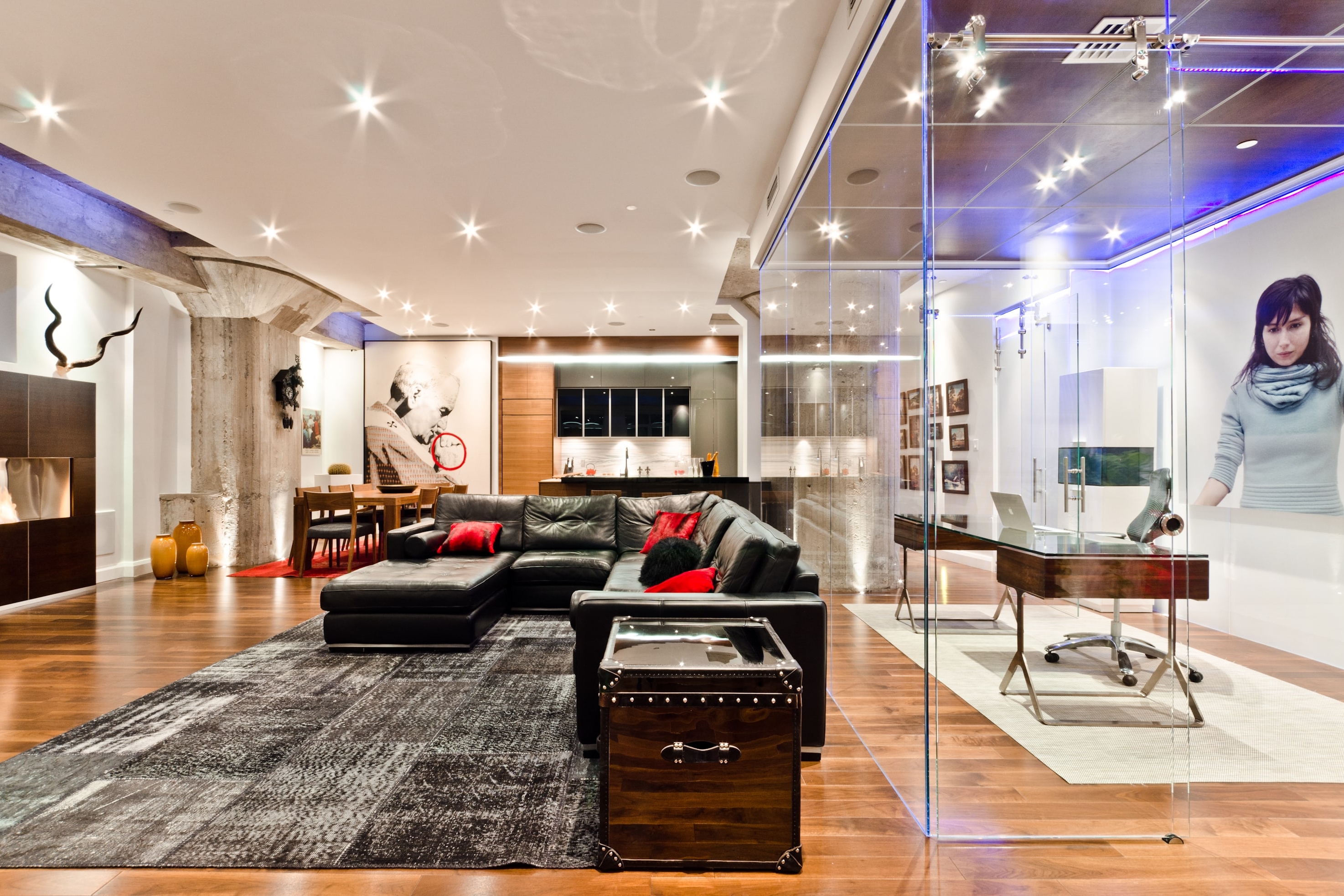
A sustainable lighting strategy should begin with daylight. Maximizing natural light reduces energy consumption and improves well-being. Glass partitions, reflective finishes, and carefully placed mirrors can help distribute light more effectively. From there, layered artificial lighting can support specific functions: ambient lighting for overall visibility, task lighting for focused work, and accent lighting for displays or architectural features.
LED systems, dimmable controls, and occupancy sensors are especially useful in commercial settings. These solutions improve energy efficiency without compromising visual quality. More importantly, they allow businesses to adapt the atmosphere depending on time of day, use case, or customer needs.
Designing for flexibility and Long-Term use
One of the most sustainable design decisions is creating a space that can evolve. Offices and showrooms change over time. Teams grow, brands reposition, product lines shift, and customer expectations move quickly. A rigid interior may look attractive at first but become obsolete within a few years.
Flexible design solves this problem. Modular furniture, movable partitions, adaptable display systems, and neutral architectural backdrops make it easier to refresh a space without starting from scratch. This reduces waste and allows companies to respond to change more efficiently. It is a practical, cost-conscious approach that supports both sustainability and long-term brand consistency.
The role of integrated Project Management
Even the best design ideas can fail without proper coordination. Commercial renovation projects often involve multiple suppliers, contractors, consultants, and timelines. When communication breaks down, costs rise and quality suffers. That is why integrated project management is so valuable in sustainable interior design.
A coordinated process helps ensure that aesthetic goals, technical requirements, budgets, and sustainability targets all work together from the beginning. It reduces errors, avoids duplication, and keeps the project moving in a more organized way. For multi-location businesses, this kind of structure becomes even more important because it supports consistency across different sites while still allowing room for local adaptation.
What modern clients expect from sustainable Design
Today’s clients want more than a visually impressive environment. They want spaces that reflect clear values and support real performance. In offices, that means comfort, flexibility, acoustic quality, and a healthier indoor experience. In showrooms, it means memorable presentation, smooth navigation, and a design language that strengthens the brand.
Sustainable interiors answer these expectations by bringing together aesthetics, function, and responsibility. They show that design can be strategic, not superficial. They also demonstrate that environmental awareness and commercial ambition can move in the same direction.
Designing spaces that perform and inspire
Sustainable interior design is reshaping the future of offices and showrooms across the United States. It is no longer only about using eco-friendly materials or following design trends. It is about creating work and retail environments that perform better, last longer, and feel more meaningful to the people who experience them.
When companies invest in smart space planning, durable materials, efficient lighting, and flexible design systems, they create interiors that support both daily operations and long-term business goals. The result is a space that looks refined, works intelligently, and expresses a modern vision of success.
For brands that want to stand out in a competitive market, sustainable interior design is not just a good idea. It is a better way to build the future of business.
Do you know someone who might enjoy this article or would find it useful? Share it!