
 Pexels – CCO Licence
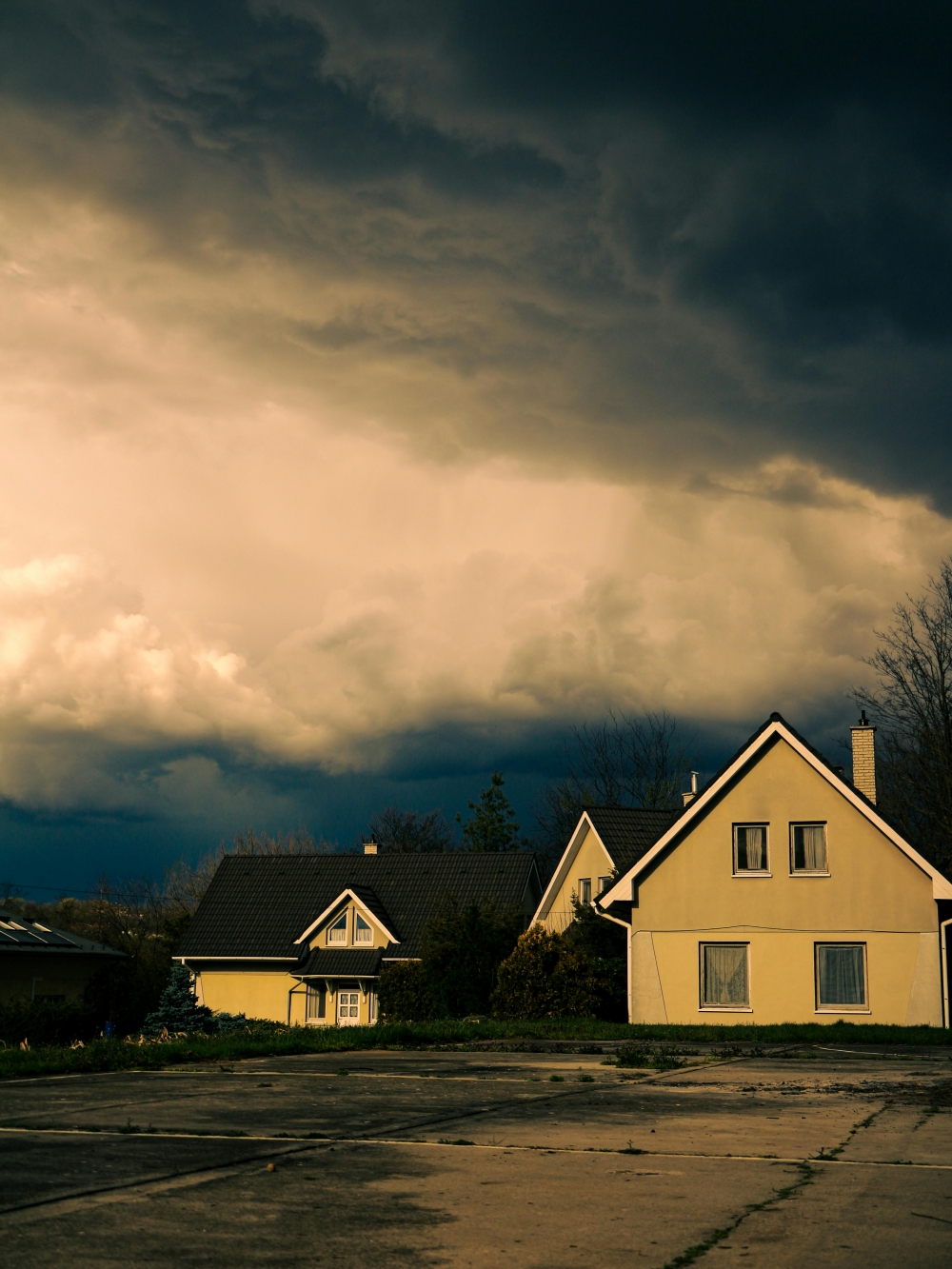
Storms can arrive on the scene with little warning, and when they do, they often leave behind significant damage to your property. High winds, heavy rain, lightning, hail, and falling debris all have the potential to affect your home, and so, while it is impossible to control th weather, you really should be doing all you can to reduce the risks to your home posed by severe weather conditions if and when they hit. Here are some of the best ways to do that:
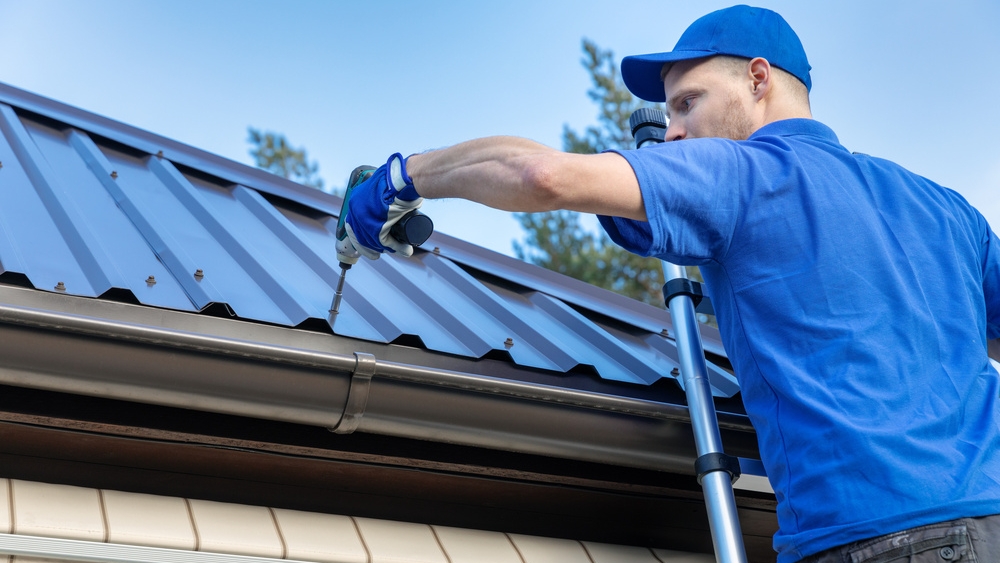
Inspect your roof
Your roof is one of your home’s first lines of defense against severe weather.
Regularly inspect for:
- Missing shingles
- Cracked tiles
- Damaged flashing
- Loose materials
- Signs of leaks
Even small roofing problems can become much larger during heavy rain or strong winds. Repairing minor issues before a storm arrives is often far less expensive than dealing with significant water damage afterward. A little preventative maintenance can go a long way.
Clean gutters and downspouts
Gutters are a much more important part of your home than you might have ever realized. They direct water away from your home and prevent it from pooling and causing issues with the foundations or seeping into your home, where they can cause leaks, dampness, and mold.
When gutters get clogged up with leaves, debris or dirt, they cannot do their job properly, and water might overflow and cause damage to any or all of the following:
- Roofs
- Siding
- Foundations
- Landscaping
So, you are going to want to make sure that you clear the gutters regularly to allow them to do their job when heavy rainfall comes along. Doing it at least once a month should be sufficient, but in the fall when leaves are falling, you may need to do it more often.
Check trees around your property
Trees provide shade and beauty, but they can also become hazards during storms. Dead branches, diseased trees, and weakened limbs may break during high winds and cause damage to homes, vehicles, fences, or power lines. Regular pruning helps reduce risks and keeps trees healthier overall.
In some situations, professional tree removal may be necessary if a tree poses a significant threat to nearby structures or appears unstable. Addressing problem trees before a storm is usually much safer than dealing with the aftermath.
Secure outdoor items
Strong winds can turn ordinary outdoor objects into dangerous projectiles if you are not careful, so before severe winds arrive at your doorstep, you are going to want to make sure that you either secure or store the following outdoor items:
- Patio furniture
- Grills
- Garden tools
- Decorative items
- Umbrellas
- Planters
Because even those items that are kind of lightweight can cause serious damage to people, pets, and property when they are being blown at 90 miles an hour, right? And just a few minutes of preparation can save you from that carnage.
Reinforce doors and windows
Windows and doors are particularly vulnerable during severe storms. Inspect seals, frames, and locks regularly to ensure everything is in good condition. Depending on your location, storm shutters or impact-resistant windows may provide additional protection. Garage doors should also be checked because they often experience significant pressure during high winds. A strong building envelope helps keep the elements outside where they belong.
Now, your home should be able to weather any storm!
Do you know someone who might enjoy this article or would find it useful? Share it!