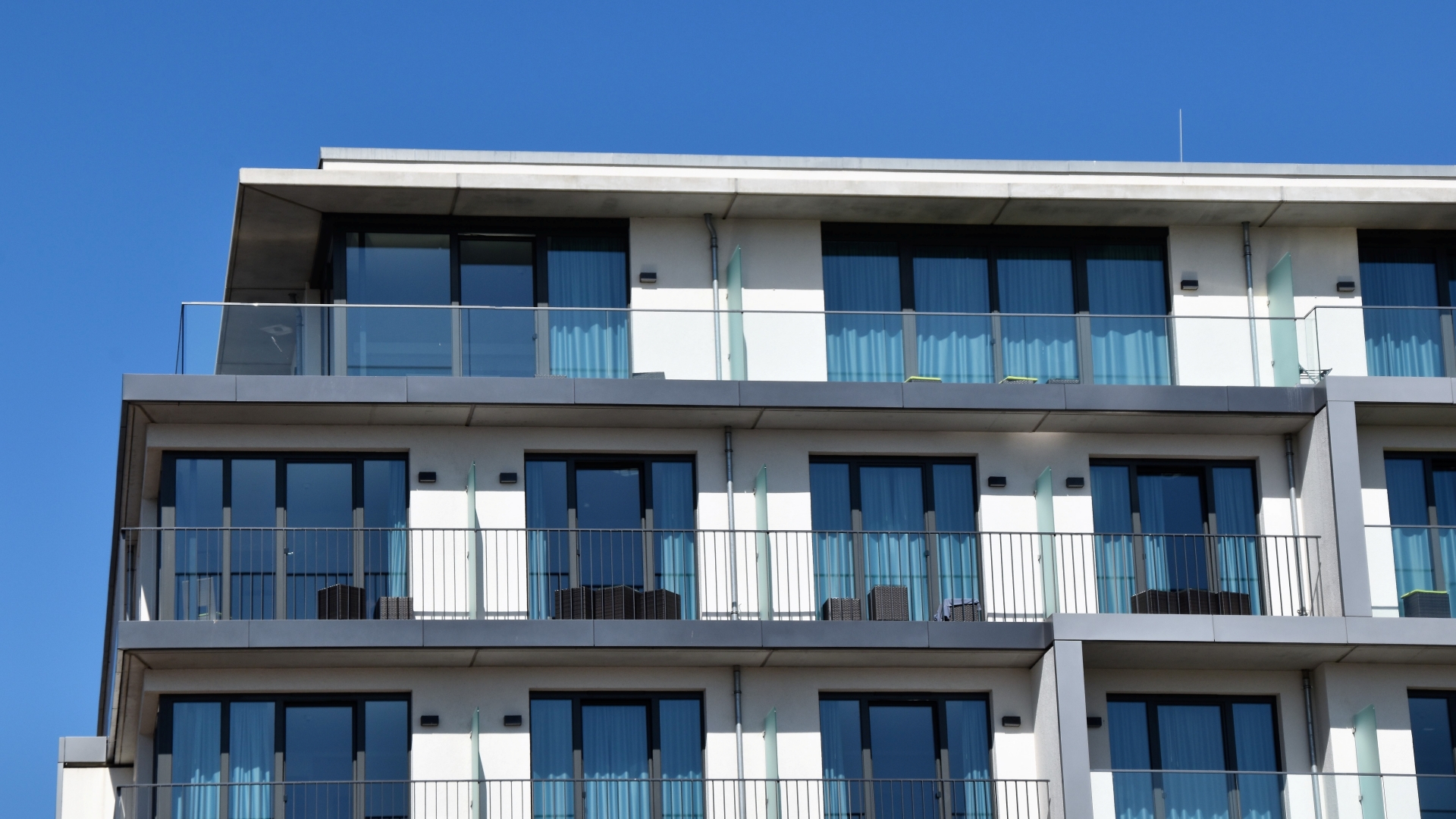

In contemporary residential design, every square inch of the exterior elevation matters. Architects and designers spend hours agonizing over rooflines, window mullion spacing, and cladding transitions. Yet, there is one massive element that often escapes this rigorous scrutiny until the final phases of construction: the garage door. Occupying up to forty percent of the street-facing profile on many modern homes, the garage door is not merely a functional egress point. It is a dominant architectural feature that has the power to anchor the entire visual composition of a home.
For design-conscious homeowners and builders in the Pacific Northwest, shifting the perspective from “utility” to “architectural asset” is critical. The garage door acts as a kinetic wall, a moving piece of the building envelope that must perform structurally while adhering to the aesthetic logic of the house. CHS Garage Door Repair of Seattle works at this intersection of engineering and design, ensuring that these large-scale systems support the visual integrity of the home.
 Materiality and Texture in Modern Design
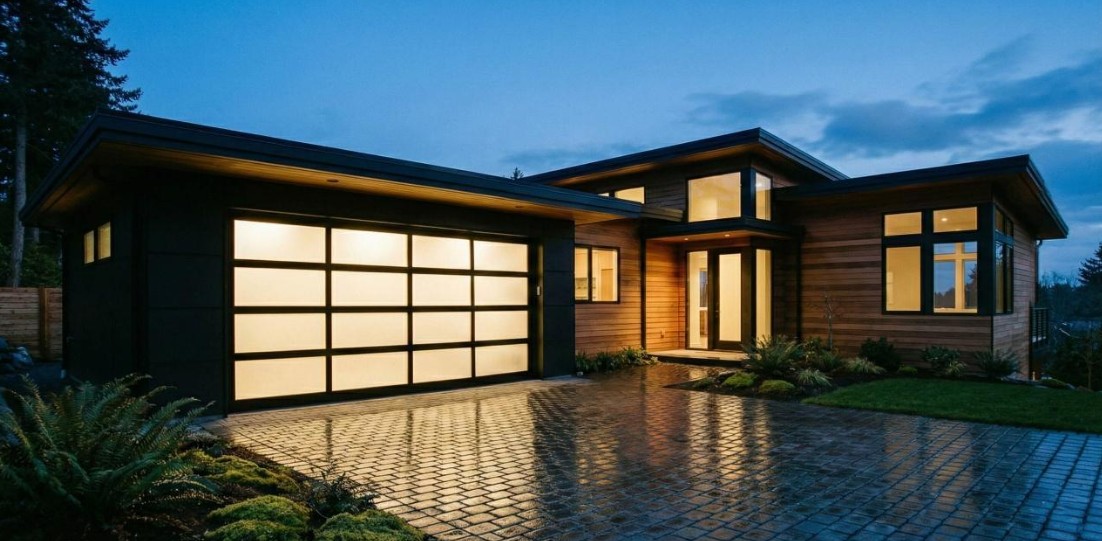
The era of the generic, stamped-steel white door is fading. Today, materiality drives the conversation. Architects are increasingly using the garage door to introduce texture and contrast to the building exterior. In modern minimalist structures, we see a surge in full-view aluminum and glass doors. These transparency-focused designs dissolve the barrier between inside and outside, allowing the garage often used as a flex space or studio to borrow daylight from the exterior while glowing like a lantern at night.
Conversely, for structures grounded in Northwest Contemporary or Craftsman styles, texture is key. Composite materials that mimic the grain and warmth of cedar or mahogany allow for rich, organic visuals without the warping and maintenance issues associated with natural timber in damp climates. The goal is to select a material that speaks the same language as the siding and trim. A door that clashes in texture or finish creates visual friction, while a well-curated material palette creates a sense of calm and continuity.
The Thermal Envelope and Structural Efficiency
Architecture is not just about what you see; it is about how the building performs. The garage is often the largest thermal leak in a residential structure. In designs where living spaces are positioned directly above the garage, the thermal performance of the door becomes a comfort issue.
Architects now specify doors with high-density polyurethane foam cores. These insulated panels provide structural rigidity preventing the “oil-canning” or warping of metal skins and deliver R-values that rival 2×4 stud walls. By sealing the perimeter with high-performance weather stripping, the garage door becomes a true part of the thermal envelope, stabilizing temperatures and reducing the energy load on the HVAC system. This is particularly vital in Seattle, where the damp cold can easily penetrate inferior barriers.
Mastering Scale and Proportion
One of the most common design errors in residential projects is ignoring scale. A standard door on a custom home can feel underwhelming. Customizing the aspect ratio of the panels can change the perceived height or width of the house. Long, flush panels emphasize horizontality, grounding the structure and making it feel wider. Tall, vertical stiles can lift the eye, giving a single-story ranch more presence.
Furthermore, the hardware and glazing details must align with the rest of the home. If the house features narrow, modern windows, the garage door glazing should mimic that proportion. Alignment is the secret to a professional aesthetic. When the horizontal break lines of the garage door align perfectly with the adjacent siding courses or window headers, the result is a subliminal sense of order and precision.
The Role of Precision Execution
Even the most beautiful architectural specification fails if the execution is flawed. The geometry of a garage door installation is unforgiving. Tracks must be set perfectly parallel, and the torsion spring assembly must be balanced to the specific weight of the custom panels. A door that binds, shudders, or hangs unevenly destroys the illusion of quality.
This is why the partnership between the designer and the installer is so vital. When sourcing garage doors in seattle, it is essential to work with teams that understand the local architectural vernacular and the specific structural requirements of the region’s housing stock. A local expert ensures that the chosen system not only looks the part but is engineered to withstand the wind loads and moisture cycles typical of the area.
Tech Integration as a User Experience
Finally, modern architecture encompasses the user experience. The interaction with the home should be frictionless. This extends to the mechanical operation of the garage door. Clunky chain drives are being replaced by silent, belt-drive motors and direct-drive wall-mount units that free up ceiling space for cleaner sightlines.
Smart home integration allows the door to become a responsive element of the security system, offering remote monitoring and automated closing schedules. Achieving this seamless operation requires expert garage door installation that accounts for both the mechanical and digital layers of the system. Precision in the setup phase ensures that the door operates with a whisper-quiet motion that complements the refined atmosphere of a luxury home.
Conclusion
The garage door is a canvas waiting for a design intent. It is an opportunity to introduce glass, wood tones, or sleek metals to the building exterior. By treating it with the same level of detail as the front entry or the roofline, homeowners can elevate the entire property. With the right materials, thermal specifications, and a professional Garage Door Repairman, the garage door becomes a seamless extension of the architecture itself.
Do you know someone who might enjoy this article or would find it useful? Share it!