
When people start planning a renovation, most of the attention immediately goes toward paint colours, kitchen islands, flooring, and furniture. Those things absolutely matter, but they’re rarely the details that truly define how polished a finished home feels.
The renovations that leave the strongest impression usually succeed because of the quieter architectural elements working in the background. These are the details people don’t always notice individually, yet somehow make the entire house feel more intentional, expensive, and cohesive.
 Source: Unsplash (CC0)
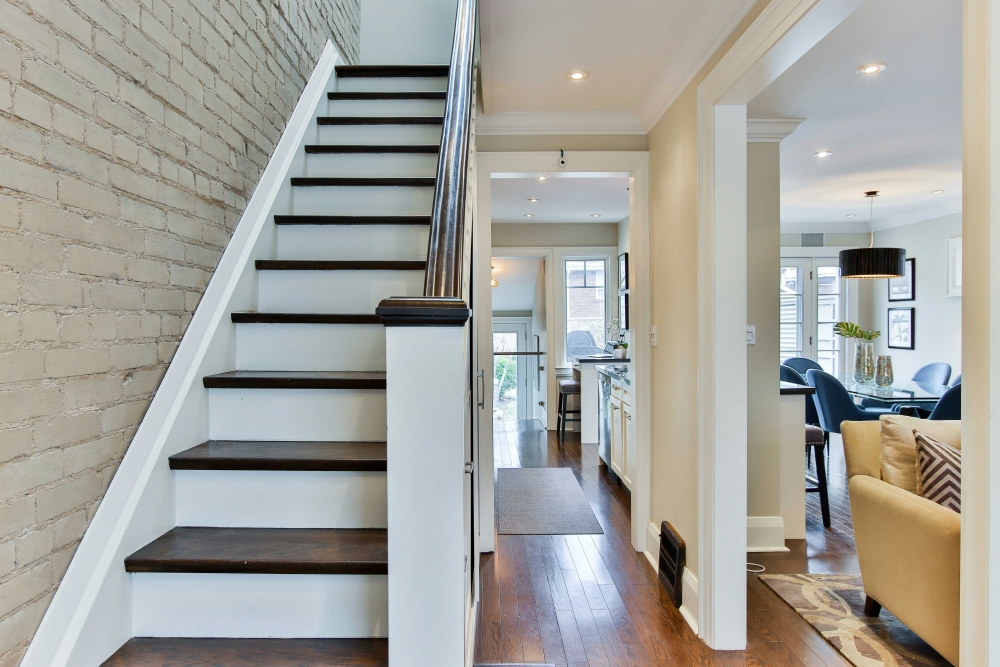
Staircases and balustrades shape the entire flow of a home
Few features influence the feel of a property more than the staircase. Old-fashioned timber spindles, bulky rails, or dark enclosed staircases can instantly make a hallway feel smaller and more dated. On the other hand, modern glass panels, slim metal detailing, and open sightlines completely transform how light moves through the space.
That’s why many homeowners now consider picking reliable options like a Tuffx balustrade that will give you peace of mind while also creating a cleaner, more contemporary appearance. When designed well, a staircase is almost like the spine of the home, connecting all of the different floors in a coherent and stylish way.
The things you touch every day matter more than you think
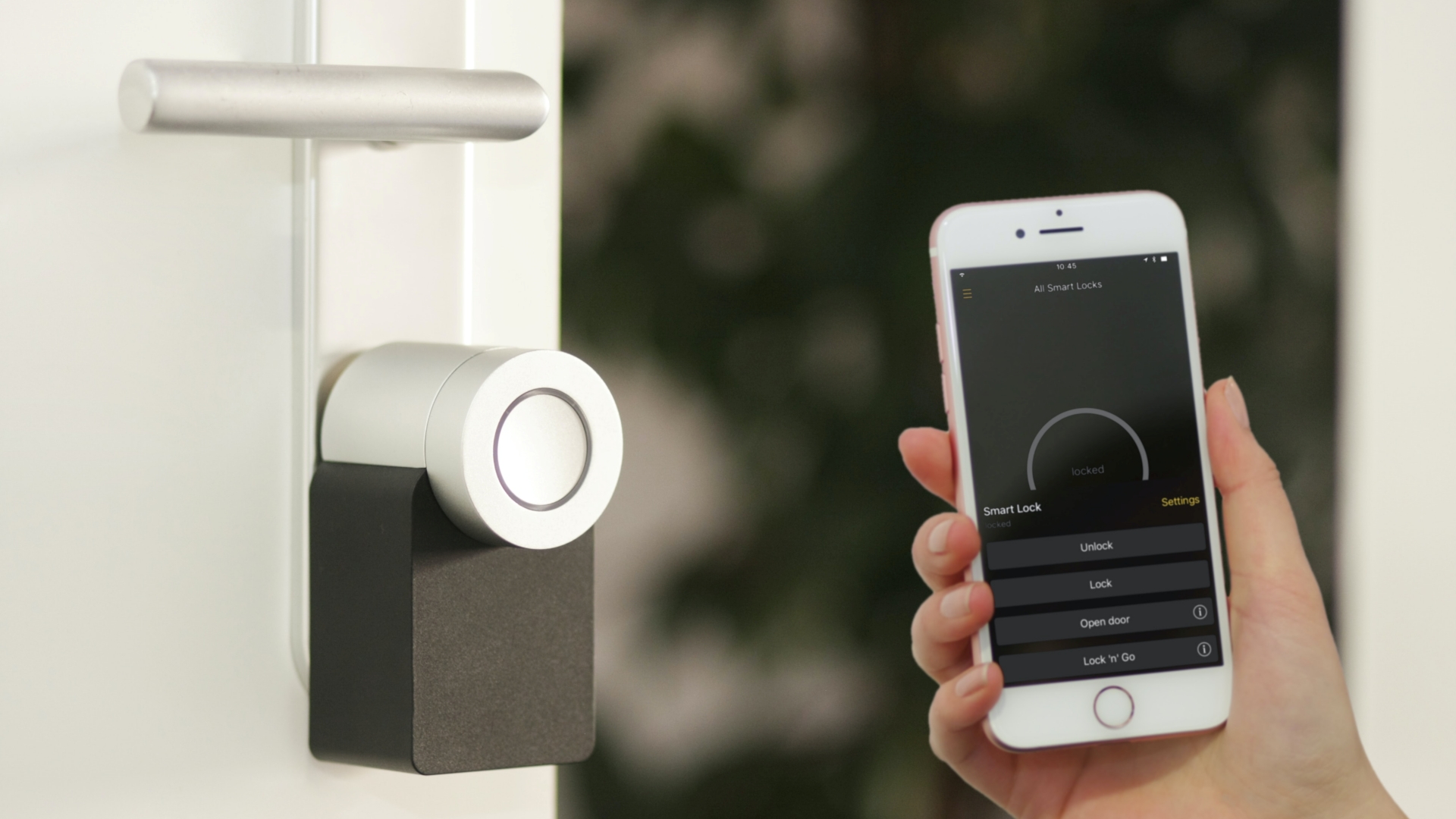
One of the easiest ways to elevate a renovation is by upgrading the touchpoints throughout the house. Door handles, cabinet pulls, light switches, and taps may seem minor individually, but together they heavily influence how luxurious a home feels. Cheap, lightweight hardware immediately creates a builder-grade atmosphere, even inside beautifully renovated spaces.
Swapping standard fittings for heavier materials with texture and detail adds a surprising sense of quality. It’s often these small tactile upgrades that subconsciously make a home feel finished rather than simply decorated.
Lighting creates atmosphere long after sunset
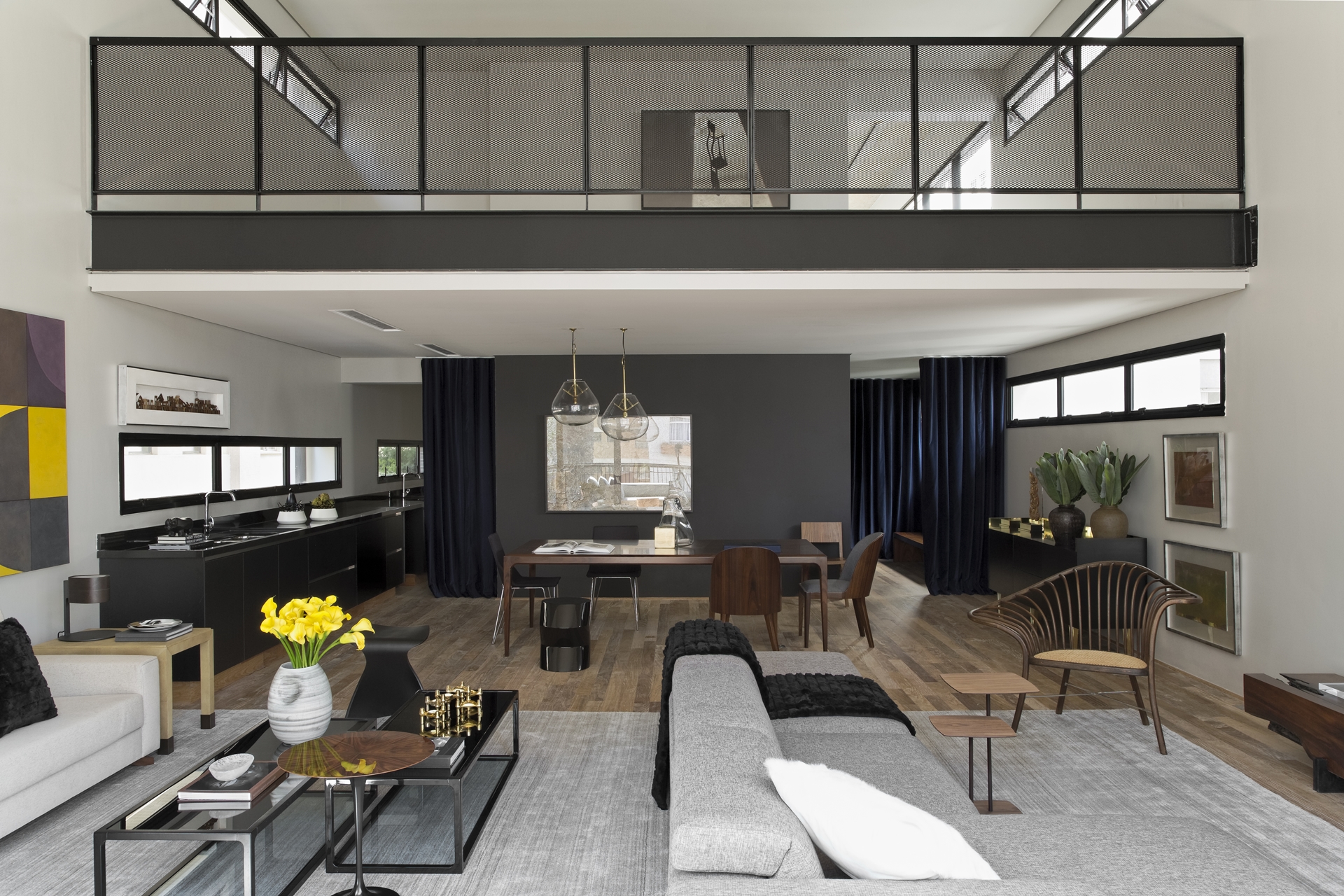
Lighting is another element homeowners regularly underestimate. Most home renovations focus entirely on overhead fixtures while ignoring how light interacts with architecture itself. Integrated lighting completely changes that dynamic.
Subtle LED strips beneath stair treads, recessed lighting inside shelving, or warm accent lighting along textured walls create depth and atmosphere that standard ceiling lights simply can’t achieve. These additions help a house feel calmer, softer, and more thoughtfully designed during the evening hours. The result is less about brightness and more about mood.
Trim, transitions, and hidden details quietly elevate everything
Some of the most impactful upgrades are almost invisible when done correctly. Deep skirting boards, oversized architraves, and flush floor transitions add a sense of craftsmanship that many modern homes lack. They create visual weight and cohesion, helping rooms feel more architecturally grounded.
Floor transitions deserve particular attention. Cheap divider strips between tile and wood flooring can instantly interrupt the flow of a renovation. Seamless thresholds or slim metal inlays make the entire property feel more custom and refined. Concealed storage works in a similar way. Under-stair drawers, flush cabinetry, and hidden doors reduce visual clutter and allow the architecture itself to stand out.
At the end of the day, the most successful renovations aren’t always the biggest or most expensive ones. Often, it’s the overlooked details quietly working together that carry the entire project and make a house genuinely memorable.
Do you know someone who might enjoy this article or would find it useful? Share it!