

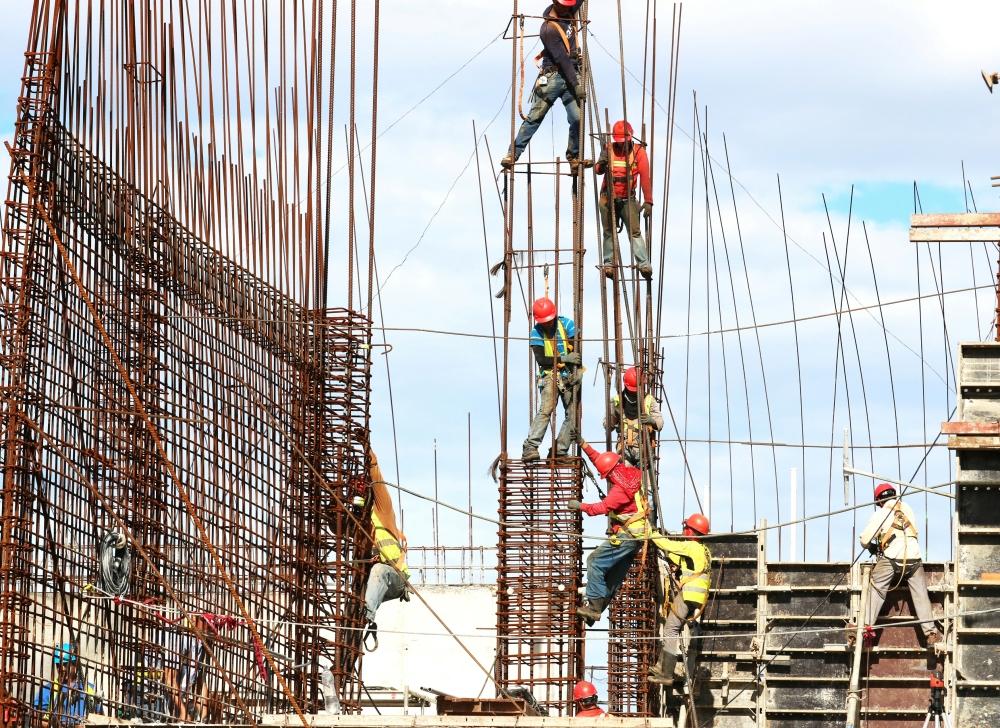
Image Source: Unsplash
In today’s rapidly evolving world, one thing remains constant—our need to build. Whether it’s residential housing, commercial properties, public infrastructure, or renewable energy facilities, skilled construction workers are the backbone of progress.
That’s why many businesses prioritize hiring skilled construction workers to ensure quality and efficiency on every project. But to break into this high-paying and high-demand industry, you need more than just a hard hat and grit. You need the right construction training. The right education doesn’t just prepare you for the job—it opens doors to bigger opportunities, better wages, and a lifetime of career growth in an industry that never stands still.
Construction Isn’t Just Labor—It’s A Profession
Too often, construction is portrayed as “just a job,” but that couldn’t be further from the truth. Modern construction is a profession that blends technical expertise, planning, innovation, and leadership. Whether you’re operating heavy machinery, working with electrical systems, laying foundations, or managing multimillion-dollar projects, it all starts with proper training. Learning the fundamentals ensures safety, efficiency, and quality, and it sets you apart in a field where precision matters.
Why Training Is the Difference Between a Job and A Career
Many people enter the construction industry through entry-level labor positions and never realize the extent to which they can advance. Formal construction training transforms short-term work into a long-term career. It builds the foundational skills you need and introduces you to specialized trades like carpentry, welding, HVAC, plumbing, and electrical work. It also unlocks access to apprenticeships, certifications, and licenses—credentials that can dramatically boost your income and upward mobility.
The Earning Potential Is No Joke
One of the most compelling reasons to pursue construction training is the money. Skilled tradespeople consistently earn strong wages, often outpacing college graduates without student debt to weigh them down. Electricians, plumbers, heavy equipment operators, and project managers can all bring in six-figure salaries with the right combination of experience and credentials. Construction training isn’t just an investment in knowledge—it’s an investment in financial independence.
Hands-On Experience Beats Classroom Lecture
Construction is not a sit-behind-a-desk kind of job, and the best training programs reflect that. Instead of memorizing theory from textbooks, you’ll spend most of your time learning by doing. From blueprint reading to scaffold setup, concrete pouring to drywall installation, everything you learn is directly applicable to the jobsite. This hands-on learning approach accelerates your understanding and builds confidence, so you’re ready to hit the ground running.
Safety Training Saves Lives—And Your Reputation
The construction industry is no place for guesswork. On-the-job mistakes can lead to serious injury or worse, which is why safety is a major component of every reputable construction training program. From OSHA standards to site-specific protocols, you’ll learn how to work smart and stay safe. Employers seek trained workers because they recognize that proper safety education reduces risk, enhances efficiency, and boosts the credibility of their entire team.
Certifications Make You Stand Out in a Crowded Field
Construction is a competitive field, and if you want to stand out from the rest, certification is key. Whether it’s a general OSHA 30 certification or specialized credentials in heavy machinery operation, fall protection, or confined space entry, these certifications signal to employers that you’re not only skilled—you’re serious. In many cases, certifications are mandatory for certain job roles, and having them in hand can get you hired faster and paid more.
Construction Training Isn’t One-Size-Fits-All
One of the best parts about construction training is that it’s flexible. Whether you’re a recent high school graduate, a military veteran transitioning into civilian life, or someone looking for a career change, there are programs designed for your unique path. Trade schools, community colleges, union apprenticeship programs, and online training platforms all offer different approaches to help you break in and level up. You don’t have to go back to school for four years to get started—you just have to choose the right track for your goals.
Technology Is Reshaping the Industry, and Training Helps You Keep Up
The construction industry isn’t stuck in the past. It’s embracing new technologies, such as drones, 3D modeling, and robotics, cs at a rapid pace. With smart helmets, automated machinery, and digital project planning becoming the norm, training isn’t just about learning traditional skills—it’s about adapting to a high-tech future. Getting trained now means you’ll be equipped to lead the next wave of innovation, not get left behind.
Leadership Roles Are Within Reach
Construction training doesn’t end with a hammer and nails. Many workers go on to become foremen, site supervisors, project managers, or even start their contracting businesses. The industry is filled with stories of people who began in the trenches and now run multimillion-dollar operations. But the common denominator in all those success stories? It’s the training. Those early skills form the foundation for leadership, problem-solving, and strategic thinking on the jobsite and beyond.
If you’re looking for a career that’s hands-on, high-paying, and full of opportunities, construction could be the perfect fit—but you’ve got to start smart. The right construction training gives you the skills, credentials, and confidence to build more than just structures—it helps you build a future. From mastering the trades to leading projects, every path starts with learning the basics and committing to excellence. Don’t just work a job—build a career. With the right training, your next paycheck could be the beginning of a future you’re proud to construct.
Do you know someone who might enjoy this article or would find it useful? Share it!