
 Image Credit: Unsplash
A sustainable yard can lower water use, handle heavy rain, and make a modern home feel more connected to its surroundings. The most effective designs treat plants, paving and drainage as parts of one system. Each choice supports the next, from directing roof water into planted areas to selecting surfaces that let moisture soak into the soil.
These practical updates can also sharpen a home’s clean architectural lines. For broader visual inspiration, these modern garden features show how structured planting, purposeful lighting and contemporary materials can work together outdoors.
Water-Wise Garden Design
Start by learning how water moves through your property. Watch the yard during rainfall and note where puddles form, which areas dry quickly, and where roof downspouts discharge. This simple survey helps you place plants according to their actual growing conditions instead of relying only on appearance.
Group plants with similar moisture needs into zones. Drought-tolerant species can fill sunny borders, while plants that prefer damp soil may suit low spots or rain gardens. Native and locally adapted varieties often need less irrigation once established because they’re suited to typical rainfall patterns and seasonal temperatures. The sustainable design strategies from the University of Florida also recommend matching plants to site conditions and placing them at suitable mature spacing.
For irrigation, use drip lines close to the soil and water early in the morning to reduce evaporation. Add 2 to 3 inches of organic mulch around plants, leaving a small gap around stems and trunks. Mulch keeps roots cooler, slows moisture loss, and helps suppress weeds that compete for water.
Choosing Permeable Surfaces
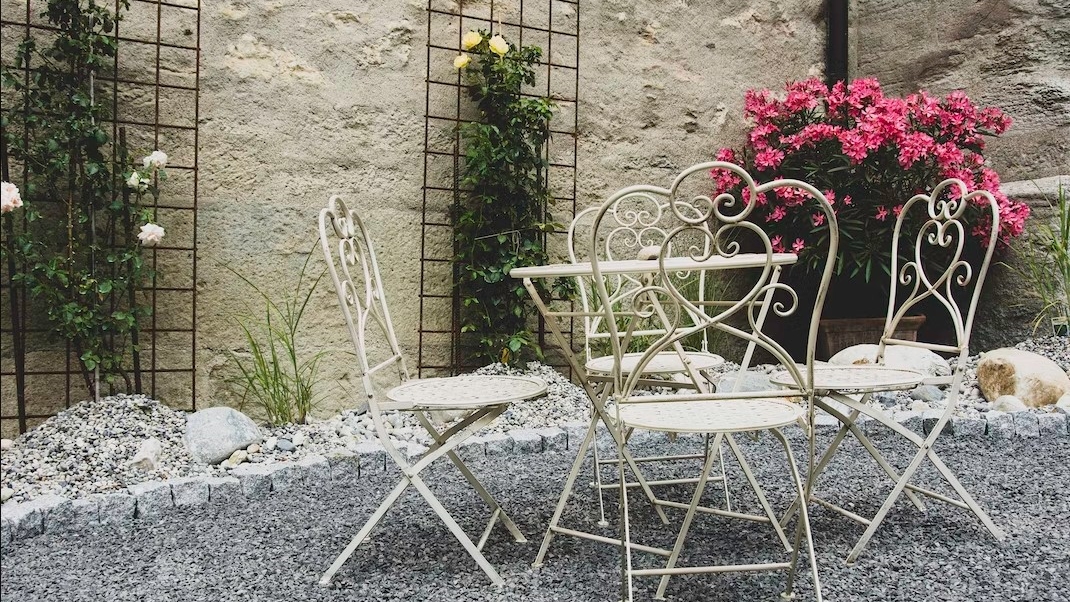
Paths, patios and parking areas can contribute to drainage when water can pass through them. Gravel, permeable pavers and widely spaced stepping stones allow rain to filter into the ground instead of rushing toward the street or collecting beside the foundation.
Before installing a surface, consider its daily use. Fine gravel may suit a lightly traveled garden path, while an angular, compactable material creates a more stable base for a driveway or seating area. Homeowners and contractors planning larger projects can order bulk gravel and aggregate for scheduled delivery, which helps when the required volume exceeds what can reasonably be transported in small bags.
Preparation determines how well the finished area performs. Excavate to the depth required for the expected load, install edging, and place a stable aggregate base over a suitable geotextile when site conditions call for one. Keep fine sediment from washing onto permeable paving because clogged joints reduce infiltration. Sweep the surface periodically and replenish loose material in low areas before they become trip hazards.
Sourcing Eco-Friendly Materials
Look first for materials that are durable, repairable, and appropriate for the climate. A locally available stone can have a smaller transportation footprint than one shipped across long distances, while reclaimed brick may add texture without requiring newly manufactured units. Salvaged timber can work for decorative screens or raised beds if it’s sound and suitable for outdoor use.
Ask suppliers direct questions about origin, recycled content, and expected service life. For wood structures, seek credible forestry certification and choose naturally durable species or lower-impact treatments. Recycled plastic edging can be useful in damp areas, but check whether individual pieces can be replaced without dismantling an entire border.
Reuse materials already on the property when they’re safe and structurally sound. Concrete slabs can become large stepping stones, pruned branches can be chipped for paths, and excavated soil may help shape shallow planting berms. The goal is to reduce unnecessary hauling while creating a cohesive result. More sustainable outdoor ideas can help connect these material choices with planting, shade and usable garden spaces.
Reducing Runoff and Erosion
Slow rainwater near the place where it lands. Disconnecting a downspout from a hard surface and directing it into a planted swale can keep a surprising amount of water out of storm drains. Make sure the outlet sends water away from the home’s foundation and across a stable surface that won’t wash away.
On slopes, keep soil covered throughout the year. Deep-rooted grasses, spreading ground covers and layered shrubs hold soil more effectively than a thin lawn. Contour planting beds across the slope can interrupt flowing water, while small check structures made from stone may slow it further. Avoid creating steep soil mounds that shed water quickly.
Bare ground needs temporary protection during a renovation. Cover stockpiled soil, install sediment barriers where runoff leaves the work area, and complete planting as soon as practical. After the first substantial storm, inspect outlets, path edges and newly planted slopes. Exposed roots, muddy channels or displaced mulch reveal where water is moving too quickly. Early repairs are usually simple, such as adding plants, widening a shallow swale or placing stone at a drainage outlet.
A sustainable modern yard should become easier to care for as its plants mature and drainage settles into place. Recheck it after each season, especially after unusually dry weather or heavy rain. Small adjustments to mulch depth, irrigation timing, and low spots will keep the design attractive while helping water stay where the garden can use it.
Do you know someone who might enjoy this article or would find it useful? Share it!