
 Image Credit: Unsplash
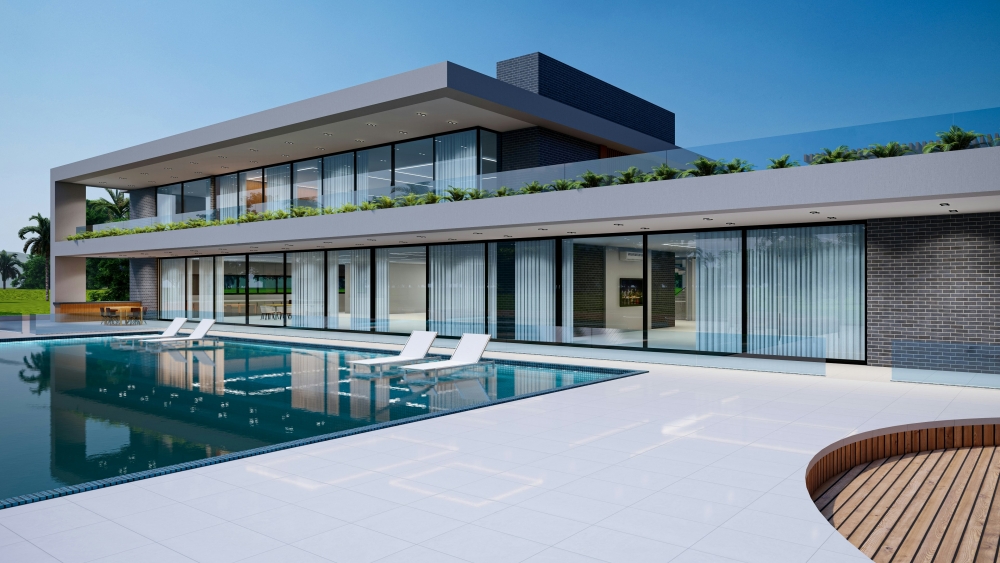
Modern pools rely on crisp geometry, clean sightlines and carefully selected finishes, so small maintenance issues can quickly undermine the design. Cloudy water softens sharp edges, surface debris interrupts reflections, and exposed equipment draws attention away from the architecture.
Smart care begins with understanding how the pool’s appearance, circulation system and daily operation work together. A maintenance plan tailored to the design can protect finishes, reduce unnecessary energy use and keep the water looking as deliberate as every other element in the outdoor space.
Visual Impact of Water Clarity
Clear water acts like a design material. It reflects surrounding walls and planting, highlights the colour of the interior finish and makes steps or ledges appear sharply defined. Even mild cloudiness can flatten these effects, particularly in dark-tiled pools and designs with long, uninterrupted sightlines.
Test free chlorine and pH regularly and record the results so you can spot gradual changes. After heavy rain, high use or a run of hot days, check the water again instead of waiting for the usual testing day. Skim leaves promptly and brush corners where circulation may be weaker. For further practical guidance, these tips for keeping pool water sparkling cover several common causes of dull or discoloured water.
Hidden Plant Rooms and Equipment Layouts
Contemporary pool design often conceals pumps, filters and treatment systems behind walls, beneath decks or inside compact plant rooms. This improves the view, but limited access and poor ventilation can make routine checks harder. Equipment still needs enough clearance for servicing, dry storage and safe airflow around motors and heaters.
Keep a simple diagram showing valves, isolation points and pipe routes. Label each control, then leave enough space to remove filter lids and other serviceable parts. If equipment is noisy, leaking or difficult to reach, arrange a professional assessment before the issue affects circulation or water quality. Early attention may prevent a minor layout or maintenance problem from becoming an expensive repair.
Consulting a Specialist Pool Shop
Professional advice becomes especially useful when water balance keeps shifting, a cleaner repeatedly misses sections or circulation seems uneven. Bring recent test results, the pool volume and clear photos of the equipment area. Details about the interior finish, surrounding trees and typical weekly use will also help a specialist identify likely causes.
A visit to a specialist pool shop can help you find suitable pool-care products and understand which adjustments your water or equipment may need. Ask for an explanation of each recommendation, including dosage, timing and the order in which products should be added. Avoid mixing treatments or estimating quantities from memory. For recurring problems, request a written maintenance schedule covering testing, filter cleaning and seasonal inspections. This creates a reliable baseline and helps you judge whether a new cleaner, pump or chlorination system would solve the actual issue.
Balancing Aesthetics and Automation
Automation works best when it supports the architecture without becoming visually intrusive. Timers, variable-speed pumps, robotic cleaners and automatic dosing systems can reduce repetitive work, yet sensors still require cleaning and calibration. Controls should also remain accessible instead of disappearing behind fixed panels or heavy landscaping.
Consider the energy use of pool pumps when setting circulation schedules. Longer operation at a lower speed may suit some systems, while larger pools or water features can require different settings. Review automation after major weather events and seasonal changes because programmed settings cannot detect every blocked basket, low water level or chemical imbalance. A monthly visual inspection keeps convenience from turning into neglect.
The most successful setup is one you can inspect without disrupting the design. Clear access panels, labelled controls and a consistent testing record preserve the clean appearance that modern pool architecture depends on, right down to the reflection along the waterline.
Do you know someone who might enjoy this article or would find it useful? Share it!