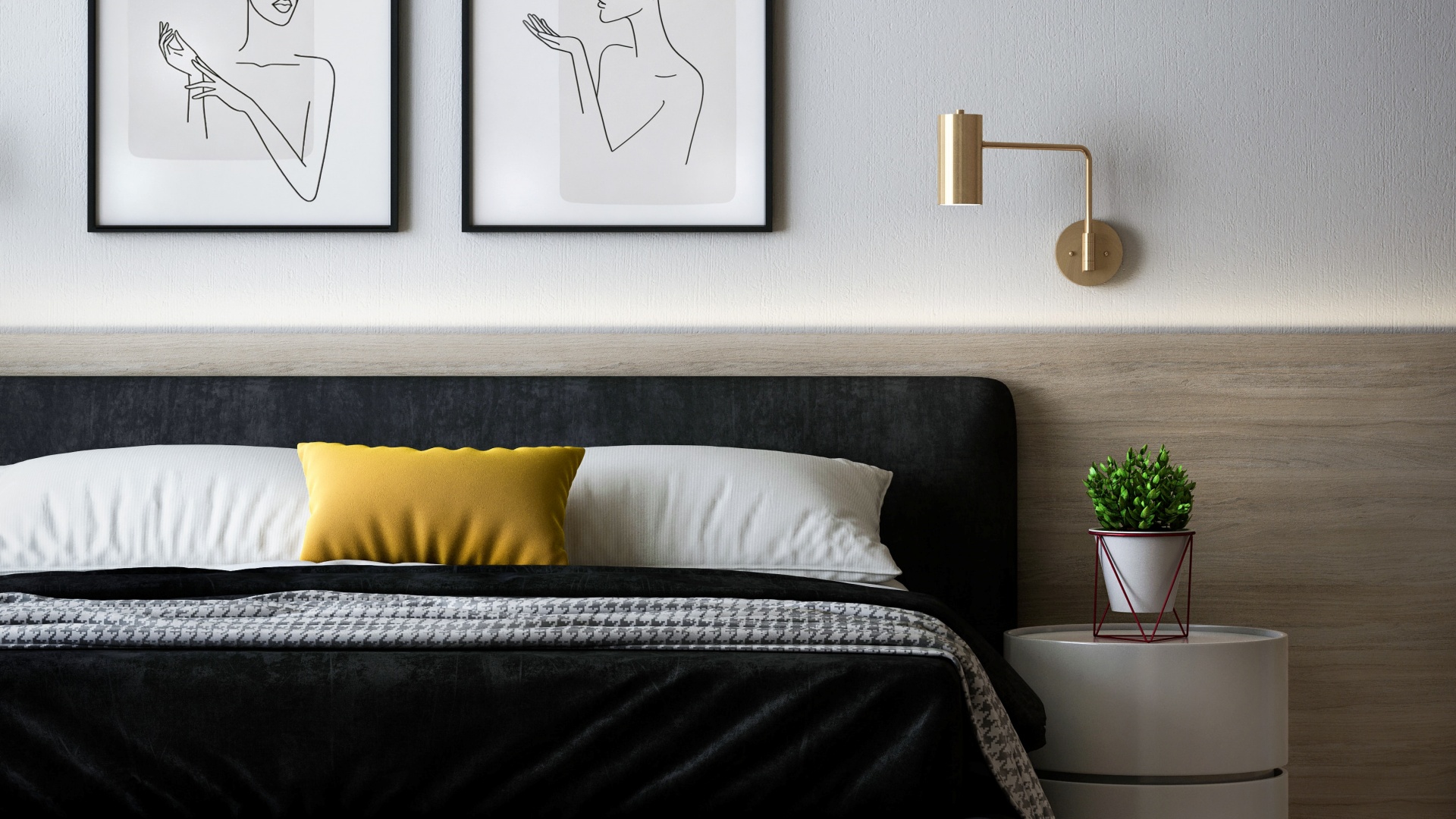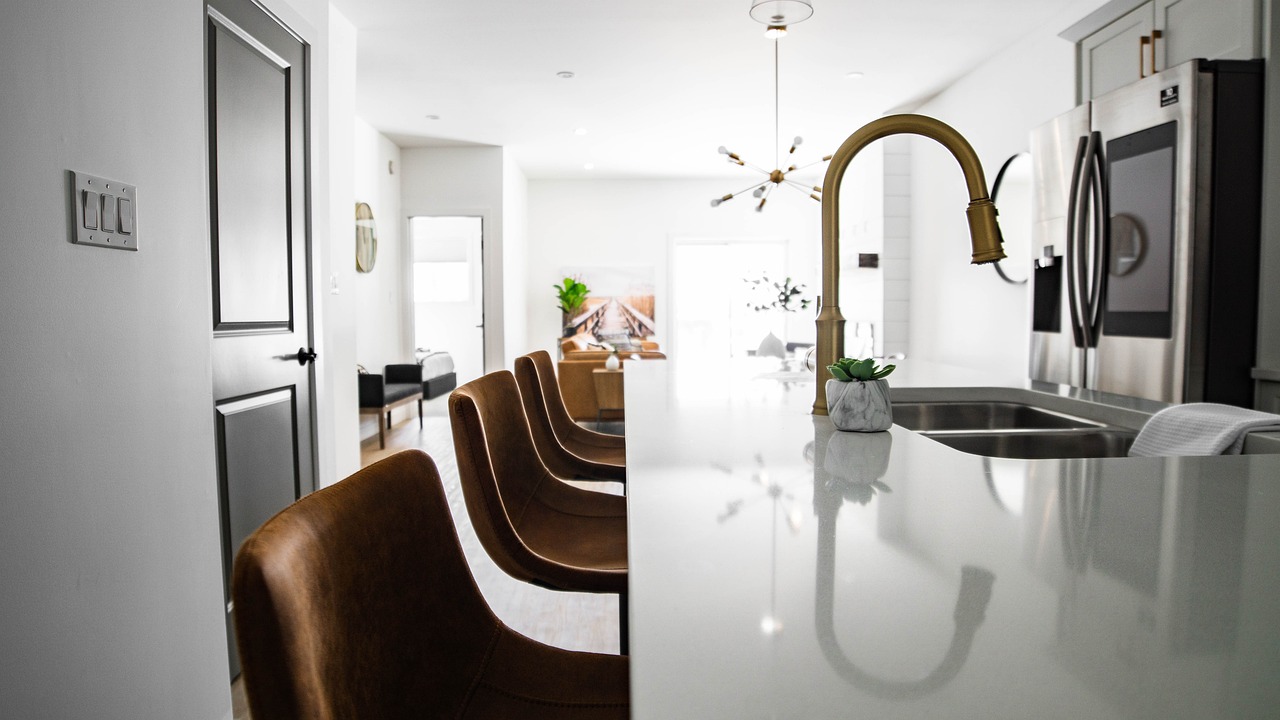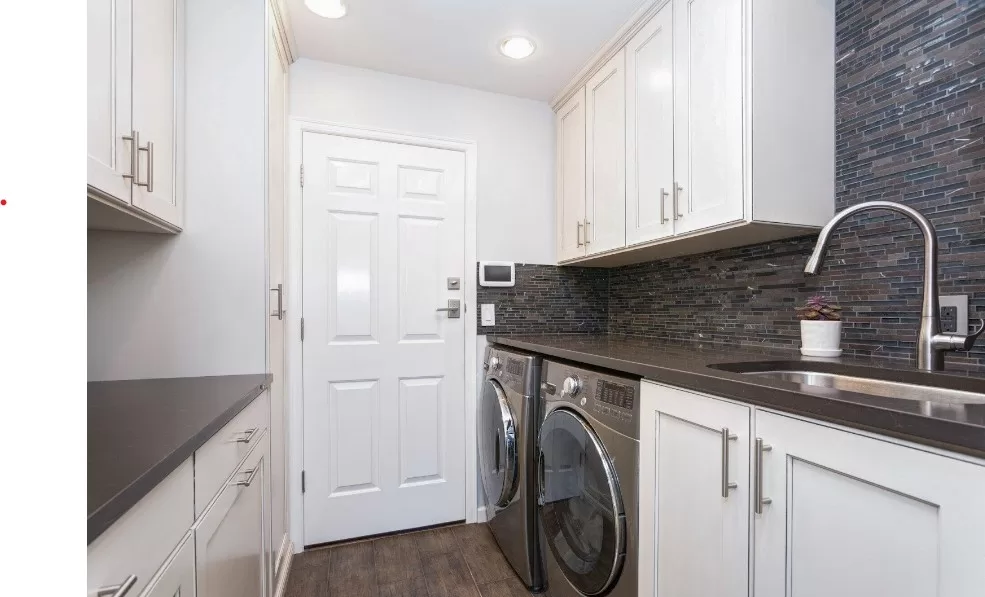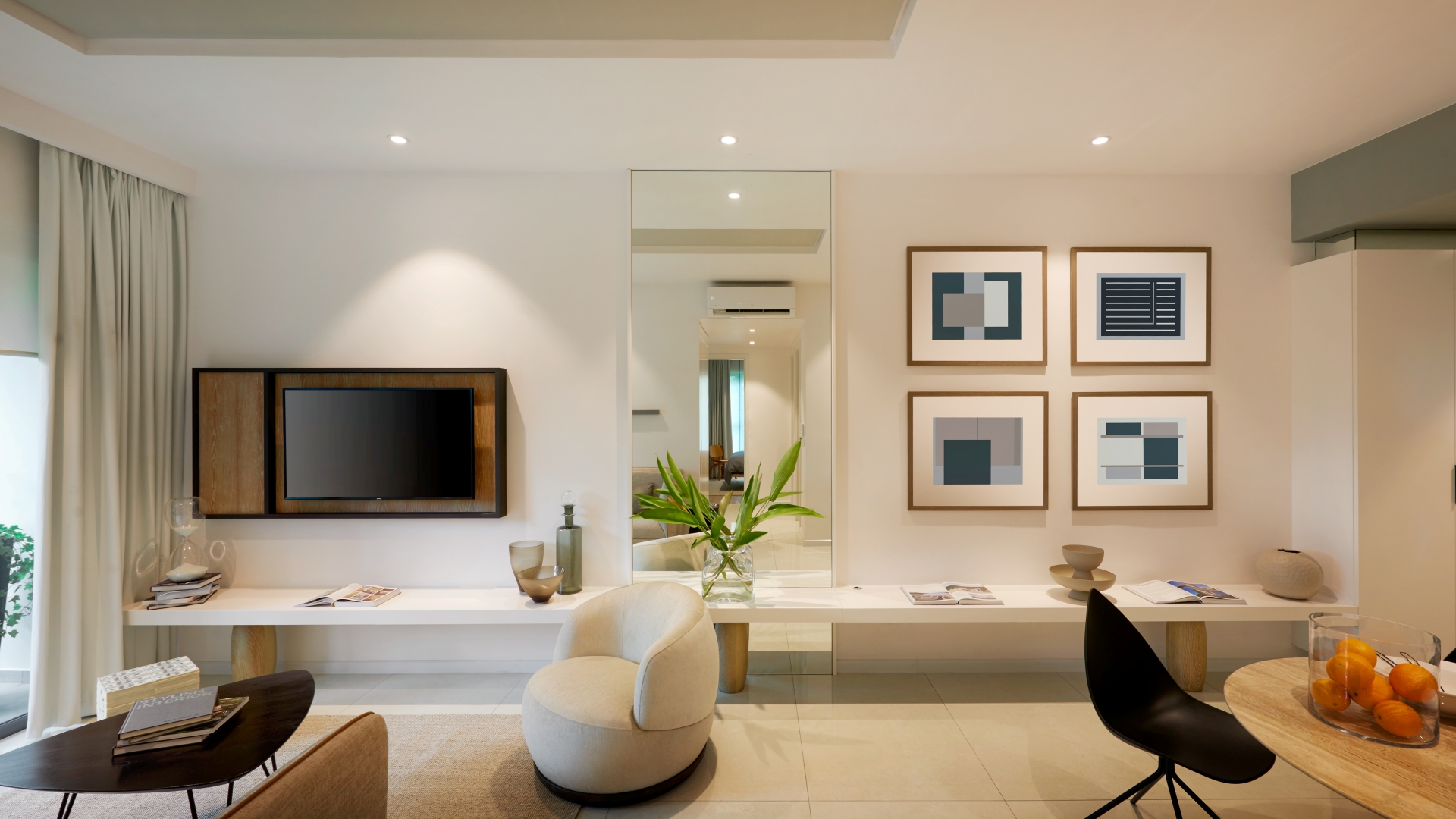

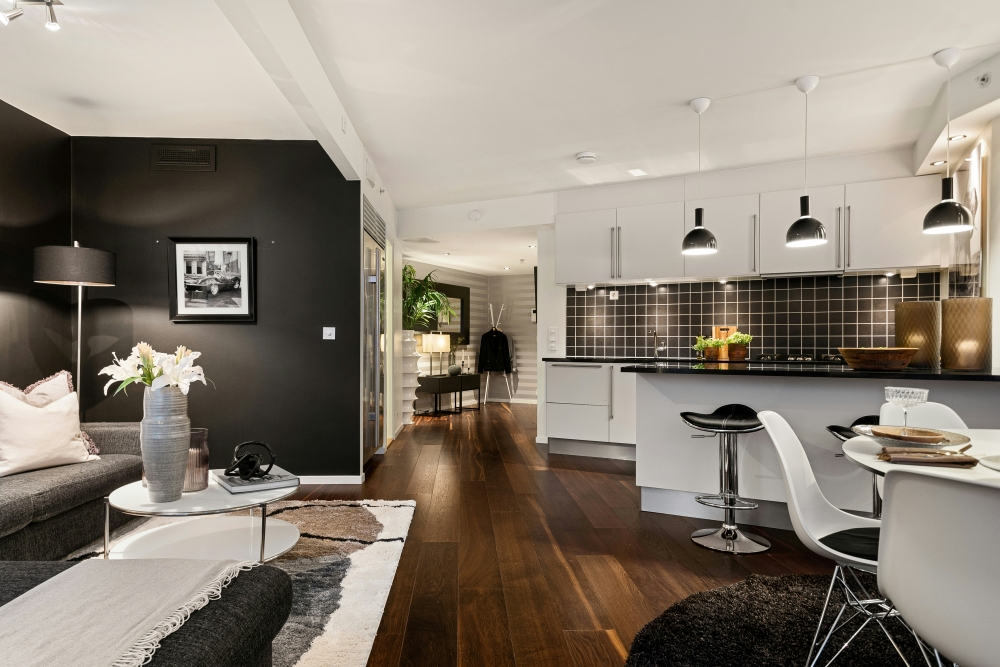
 Image Credit: Unsplash
Wall sheen changes how a building reads under daylight, artificial lighting and shifting viewing angles. The same paint color can appear calm and monolithic in a flat finish or sharper and more reflective in a higher sheen. In modern architecture, where clean planes and controlled material transitions define the design, that difference becomes highly visible. Architects, designers and property owners should therefore assess sheen alongside color, substrate and lighting conditions before work begins.
How Light Interacts With Wall Sheen
Paint gloss levels describe how much light a finished surface reflects. Flat and matte coatings scatter light, producing a soft appearance with little glare. Satin and semi-gloss finishes create more direct reflection, so daylight, downlights and linear fixtures can form visible highlights across a wall.
Consider a long white corridor with windows at one end. A satin coating may emphasize every change in the plaster as light travels along the surface. Matte paint will diffuse much of that light and create a quieter plane. Test large samples in place and view them throughout the day. Small color cards cannot show how sheen responds across several square yards of wall.
The Aesthetic Appeal of Flat Finishes
Flat finishes complement modern interiors because they give walls a smooth, visually continuous quality. Deep charcoal, muted clay and warm white often look richer without bright reflections interrupting the color. This makes flat paint particularly effective behind sculptural furniture, artwork or textured stone.
Application quality still matters. When a project involves broad walls, tall ceilings or strong side lighting, experienced painters can assess the substrate and produce a more consistent finish through careful preparation and controlled application. Ask for a sample area that includes a corner, trim junction and repaired patch. Those transitions reveal more than a sample painted in the center of an otherwise perfect wall.
Flat paint also suits ceilings, where reflected glare can compete with recessed lighting. A consistent low-sheen ceiling helps fixtures appear integrated into the architecture.
Managing Surface Imperfections at Scale
Large uninterrupted walls expose defects that might disappear in a smaller room. Joint lines, sanding scratches and uneven repairs become especially apparent under raking light, which travels nearly parallel to the surface. Higher sheens sharpen these irregularities because they reflect light more consistently from smooth areas than from rough ones.
Thorough surface preparation should include cleaning, patching, sanding and priming as required by the substrate. Inspect the wall with temporary work lights placed close to its surface before applying the finish coat. This simple check can identify shallow dents and raised filler edges early. Proper preparation and selecting the right paint finish are also essential when planning professional painting work for a home renovation.
Specify the expected finish level in project documents as well. “Painted white” leaves too much room for interpretation. Record the product type, sheen, application method and approved sample so everyone evaluates the completed work against the same standard.
Balancing Washability and Visual Depth
Low-sheen finishes create visual depth, but busy spaces often need coatings that tolerate regular cleaning. Entry halls, kitchens and commercial circulation areas collect fingerprints, scuffs and airborne residue. Matte products formulated for washability can work well, though performance varies by manufacturer and product line.
Match the finish to actual contact levels. Use durable matte or eggshell paint across main wall planes, then consider satin on doors, trim and other frequently touched elements. Keeping adjacent surfaces close in sheen produces a restrained result while allowing vulnerable areas to withstand more maintenance.
Cleaning technique matters too. Start with a soft cloth, mild solution and light pressure in an inconspicuous area. Aggressive scrubbing can polish a matte coating and leave a permanent shiny patch. The best architectural finish is one that retains its intended appearance after the building enters daily use, so maintenance requirements should influence the specification from the start.
A final on-site mockup under the completed lighting scheme can settle the choice before hundreds of square feet are painted. View it from the room’s main approach as well as from the side, since modern walls often reveal their finish most clearly at an angle.
Do you know someone who might enjoy this article or would find it useful? Share it!