
 Image Credit: Unsplash
Modern concrete slabs can visually extend a room beyond its walls, giving patios and terraces the character of an open-air living space. Their broad surfaces support clean sightlines, flexible furniture arrangements and a direct connection with the garden. Success depends on more than choosing a concrete color, however. Floor elevations, drainage, surface texture and heat exposure all affect how the transition looks and performs. Considering these details early helps the finished space feel unified without sacrificing durability or weather resistance.
Dissolving Indoor and Outdoor Borders
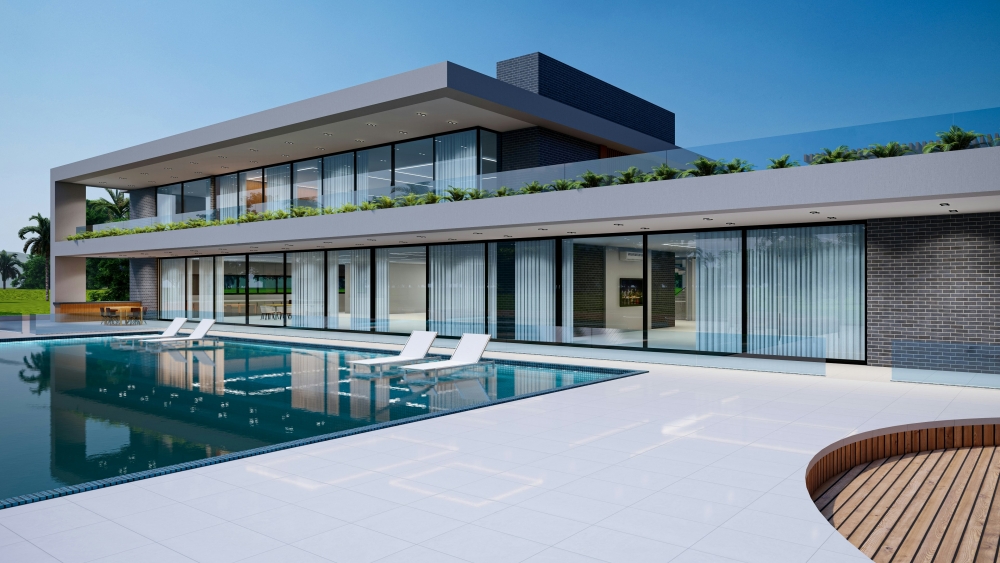
Repeating visual cues across the threshold makes two separate areas read as one. A concrete slab can echo the tone of an interior floor while large glass doors preserve the view between them. The Concrete Masonry & Hardscapes Association offers several indoor-outdoor transition ideas, including consistent materials and wide openings.
Slab dimensions should also relate to the room. For example, control joints can align with door frames, cabinetry or interior tile lines. This subtle coordination creates order. During early planning, homeowners in Bucks County and Montgomery County can ask experienced concrete contractors to assess patio placement, replacement needs and appropriate finishes before construction begins.
Maintaining Threshold Planarity
A nearly level visual transition allows the eye to continue outside without interruption. Yet exterior slabs still need enough slope to move rainwater away from the building. A common approach is a gradual fall of about 1/8 to 1/4 inch per foot, depending on local conditions and project requirements. The slope may be difficult to see, but it helps prevent water from collecting near doors.
Door tracks, waterproofing and finished floor heights must be coordinated before the slab is poured. Recessed tracks may produce a cleaner threshold, though they require careful drainage detailing. This guide to modern patio additions explains how broader design decisions can connect interior rooms with exterior living areas. Always confirm elevations on site instead of relying only on drawings.
Textural Contrast Against Foliage
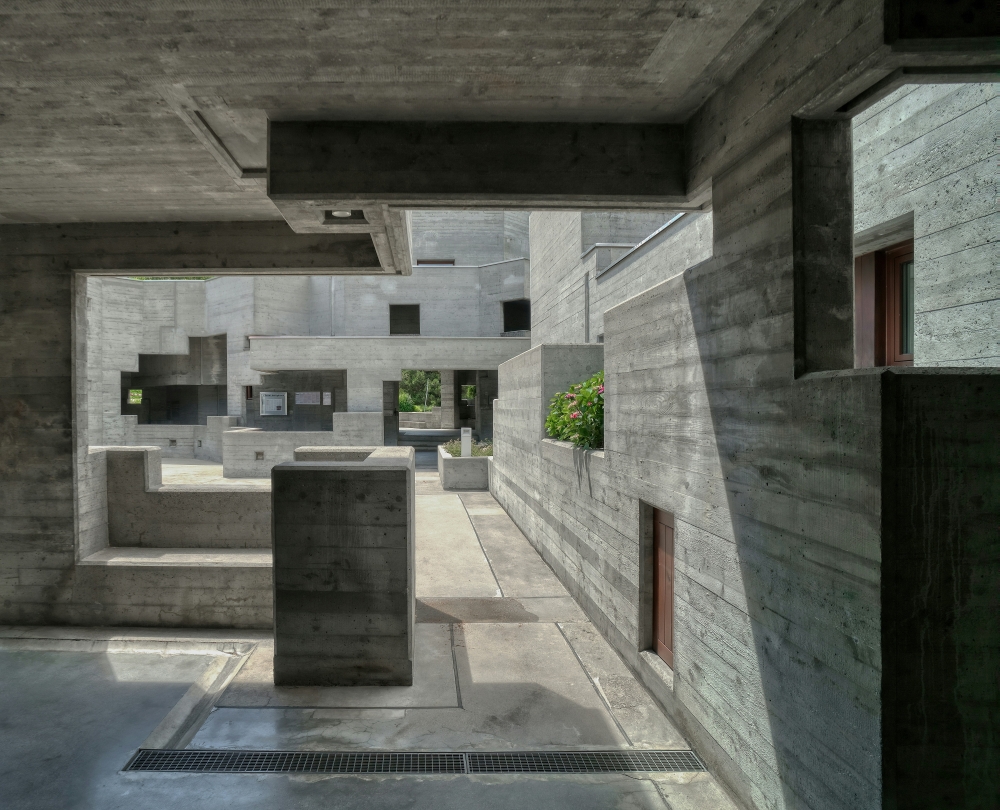
Concrete’s quiet, mineral surface provides a useful backdrop for layered planting. Broad leaves, ornamental grasses and low ground covers soften slab edges while casting changing shadows throughout the day. The contrast becomes especially effective when the concrete finish stays restrained. Light broom finishes and subtle exposed aggregate add grip without competing with the garden.
Planting beds can follow slab joints or extend into planned cutouts, which makes greenery feel integrated into the hardscape. Keep moisture-loving plants away from foundations and leave enough room for mature growth. For a coordinated look, repeat one or two interior colors in outdoor cushions, planters or rugs. A practical indoor-outdoor living guide offers more ideas for carrying color and texture between adjoining spaces.
Thermal Mass in Exterior Living
Concrete absorbs heat during sunny periods and releases it as temperatures fall. In mild weather, that thermal mass can keep a patio comfortable after sunset. Under intense summer sun, however, a dark slab may become too warm for bare feet and can radiate heat toward nearby seating.
Color and shade make a measurable difference. Pale gray concrete generally absorbs less solar energy than charcoal-colored surfaces, while a pergola or deciduous tree can protect the busiest part of the patio. Place dining areas where afternoon shade naturally falls and reserve exposed zones for circulation or planters. In colder climates, sunlight reaching the slab can extend seasonal use, though proper jointing and drainage remain necessary where freeze-thaw cycles occur.
A successful threshold often comes down to millimeters of elevation and a few carefully aligned joints. Resolve those details before installation, then let planting, furniture and changing light give the concrete surface its character.
Do you know someone who might enjoy this article or would find it useful? Share it!