
 Image Credit: Unsplash
When you design a home’s exterior, you’re really setting the stage for that all-important first impression. For modern architecture, this means looking past fleeting fads. Instead, we focus on clean lines, honest materials, and really connecting with the world around the house. The big idea is to create a facade that not only looks amazing now but will keep its charm and appeal for years to come.
Understanding Modern Exterior Aesthetics
Modern home design is all about keeping things simple and purposeful. It strips away anything extra to really highlight the shape, space, and light. You’ll often see strong geometric shapes, flat or gently sloped roofs, and lots of glass. This glass isn’t just for looks; it helps blur the lines between inside and out.
The colours tend to be pretty neutral: think whites, greys, blacks, and earthy tones. These colours create a sophisticated backdrop, letting the building’s shape and the textures of its materials shine. It’s all about “less is more,” where every line and surface has a reason for being there. These elements for a modern home exterior all work together to give you a clean, uncluttered look that won’t go out of style.
Material Choices for Durability and Style
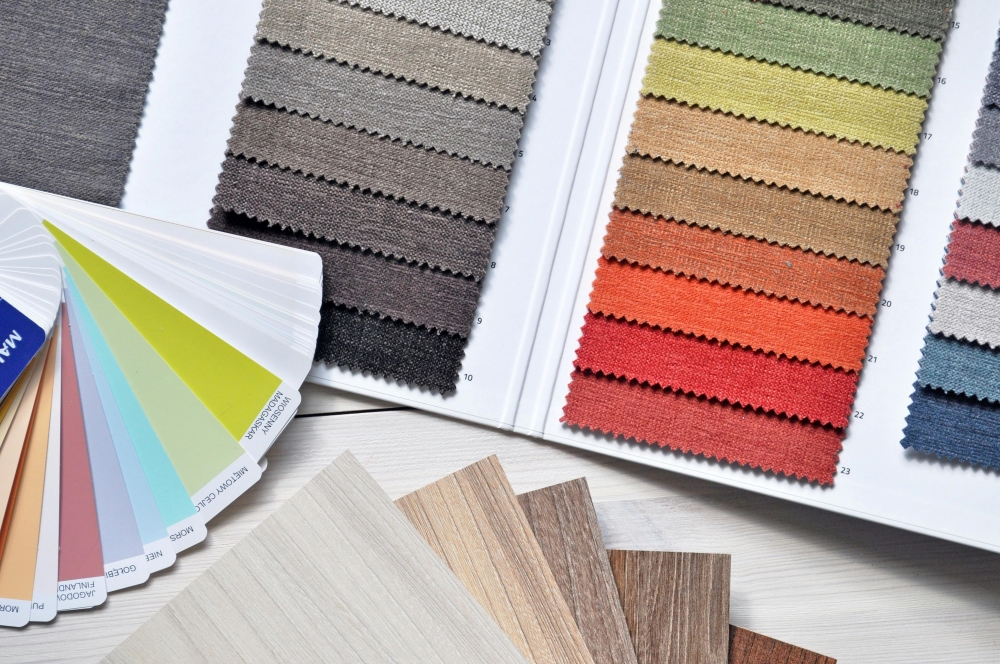
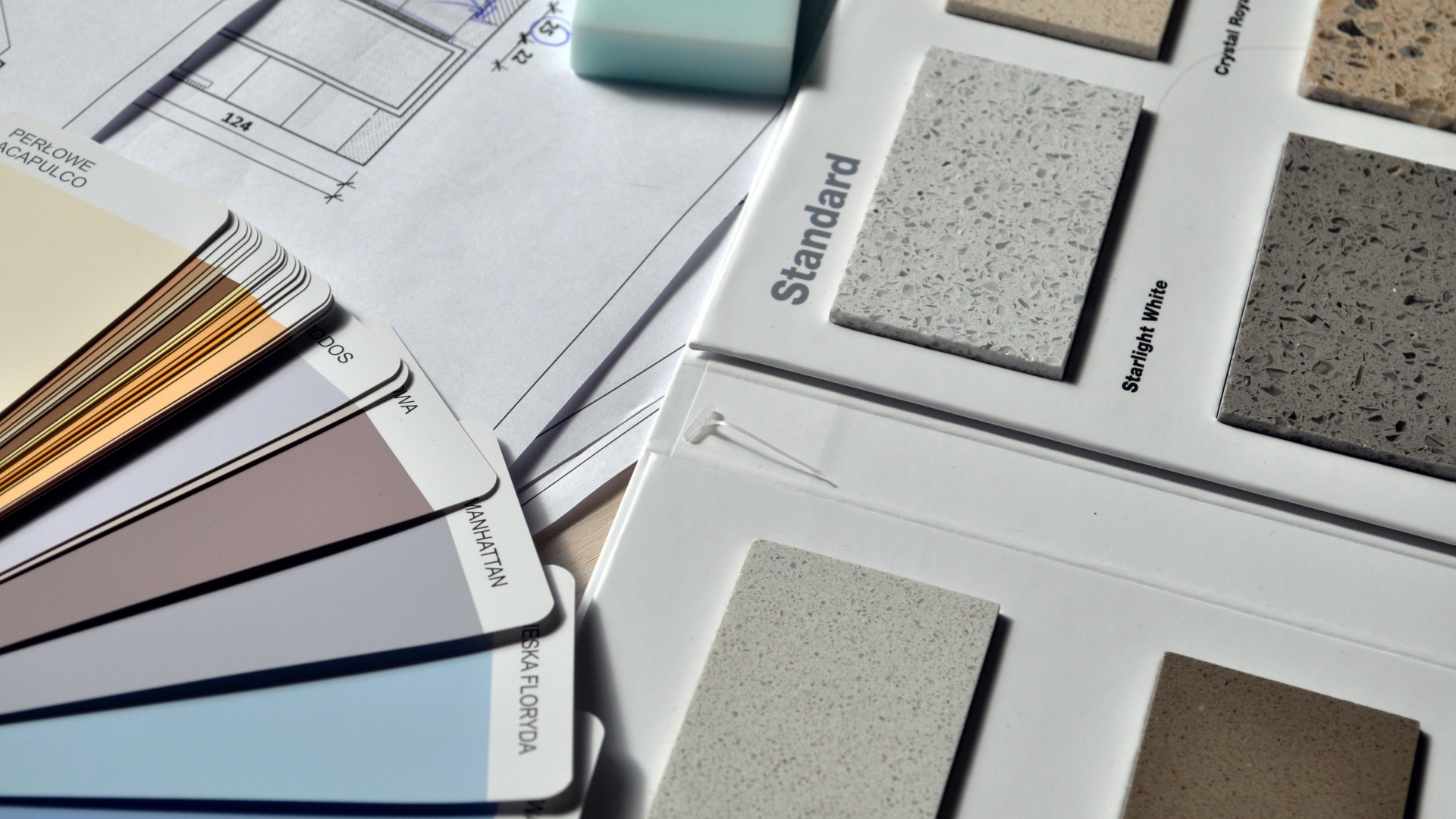
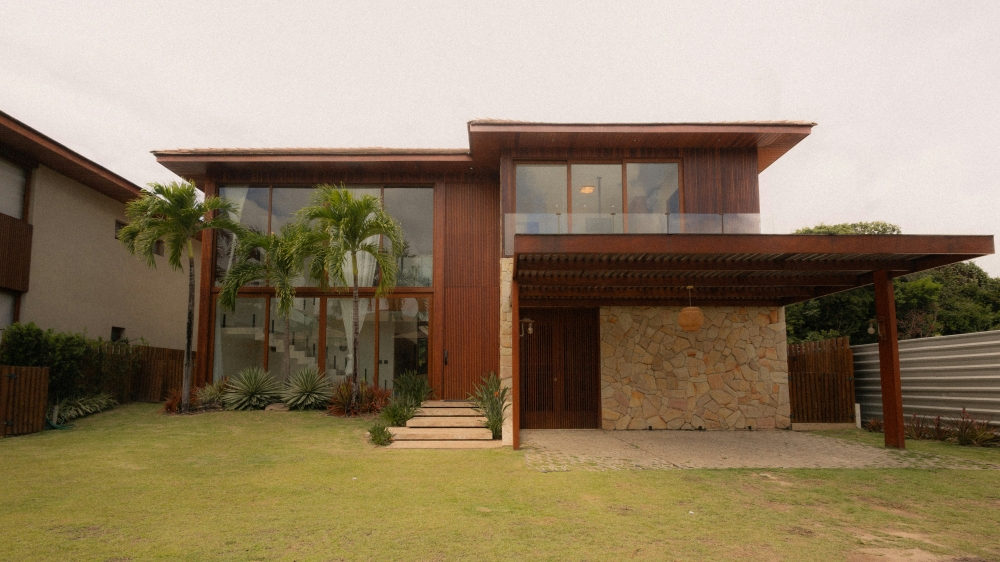
Picking the right materials is super important for a modern exterior. They really set the tone for your home’s personality, how long it lasts, and how much upkeep it’ll need. You’ll often see things like exposed concrete, steel beams, and big glass panels, which give off an industrial but still refined vibe. To keep things from feeling too cold, these are often balanced with natural materials that add warmth.
For example, high-quality wood cladding is often used to soften the hard edges of concrete or metal, bringing in organic textures and rich colours. Whether you use it for the whole facade or just as a little highlight, timber helps connect the building to nature. Mixing these different materials lets you create an exterior that’s lively and interesting, all while being true to its construction.
Integrating Natural Elements Seamlessly
One cool thing about modern architecture is how it tries to make the line between inside and outside disappear. It’s not just about big windows; it’s a whole design approach that sees your landscape as part of your living space.
You can see this integration in lots of ways:
- Imagine a stone wall that starts on your outdoor patio and just keeps going right into your living room.
- Or flooring materials that flow seamlessly from an indoor area onto an outdoor terrace.
- Even windows placed just right to perfectly frame a garden, a tree, or a view of the horizon.
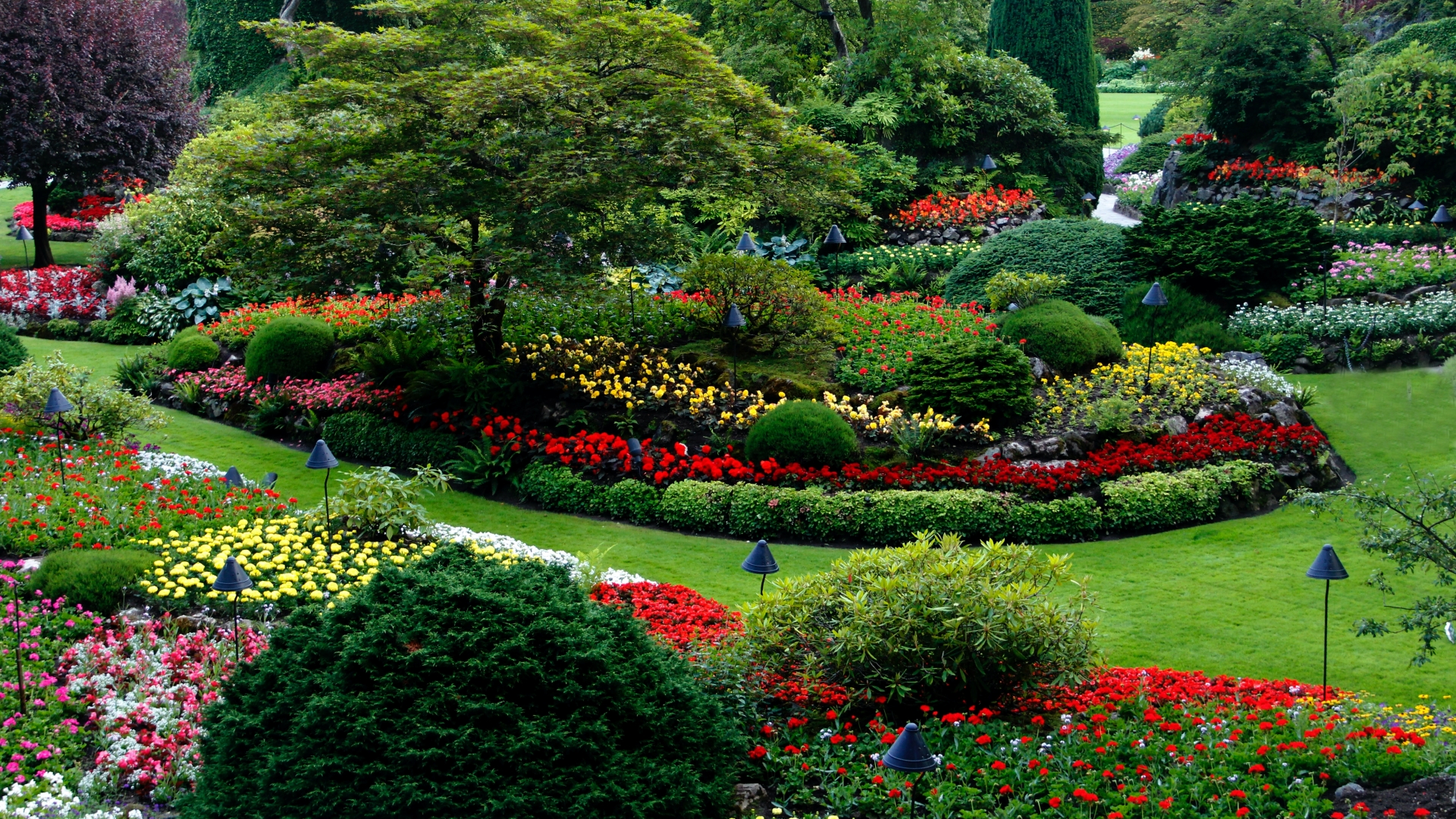
Smart landscaping is also key. Instead of perfectly manicured flowerbeds, modern design often leans towards native grasses, simple rock gardens, and mature trees that feel like they naturally belong. The house and the landscape should really work together, not fight for attention.
The Role of Texture in Exterior Design
In minimalist design, texture is super important for adding depth, interest, and a touchable quality. Without it, a facade with simple shapes and neutral colours could end up looking flat and a bit boring. Texture is what catches the light, creates subtle shadows, and just makes you want to reach out and touch it.
The way different material surfaces contrast with each other is a powerful design trick. Think about the rough grain of timber next to concrete that’s smooth as glass, or the sleek finish of metal panels against the rugged surface of natural stone. Even the pattern of your window frames or the way your cladding is joined contributes to the overall texture. Looking at examples of modern homes with unique materials can give you some great ideas for creating these cool textural contrasts.
Long-Term Maintenance Considerations
Your home’s exterior should be just as practical as it is beautiful. When you’re picking materials, it’s smart to think about how well they’ll hold up over time and how much work they’ll need. Some materials, like certain kinds of stone or high-quality composite panels, are incredibly tough and barely need any maintenance.
Natural materials like timber might need a bit more attention, depending on the type and finish. For instance, some woods will need regular sealing or oiling to keep their original colour, while others, like cedar or larch, can just be left to weather naturally into a lovely silver-grey. The main thing is to make an informed choice that fits both your style goals and how much time you’re willing to put into upkeep.
Ultimately, designing a modern exterior with lasting appeal is all about finding that sweet spot. It’s a thoughtful mix of clean forms, honest materials, and a real appreciation for the surrounding landscape, creating a home that feels both current and timeless.
Do you know someone who might enjoy this article or would find it useful? Share it!