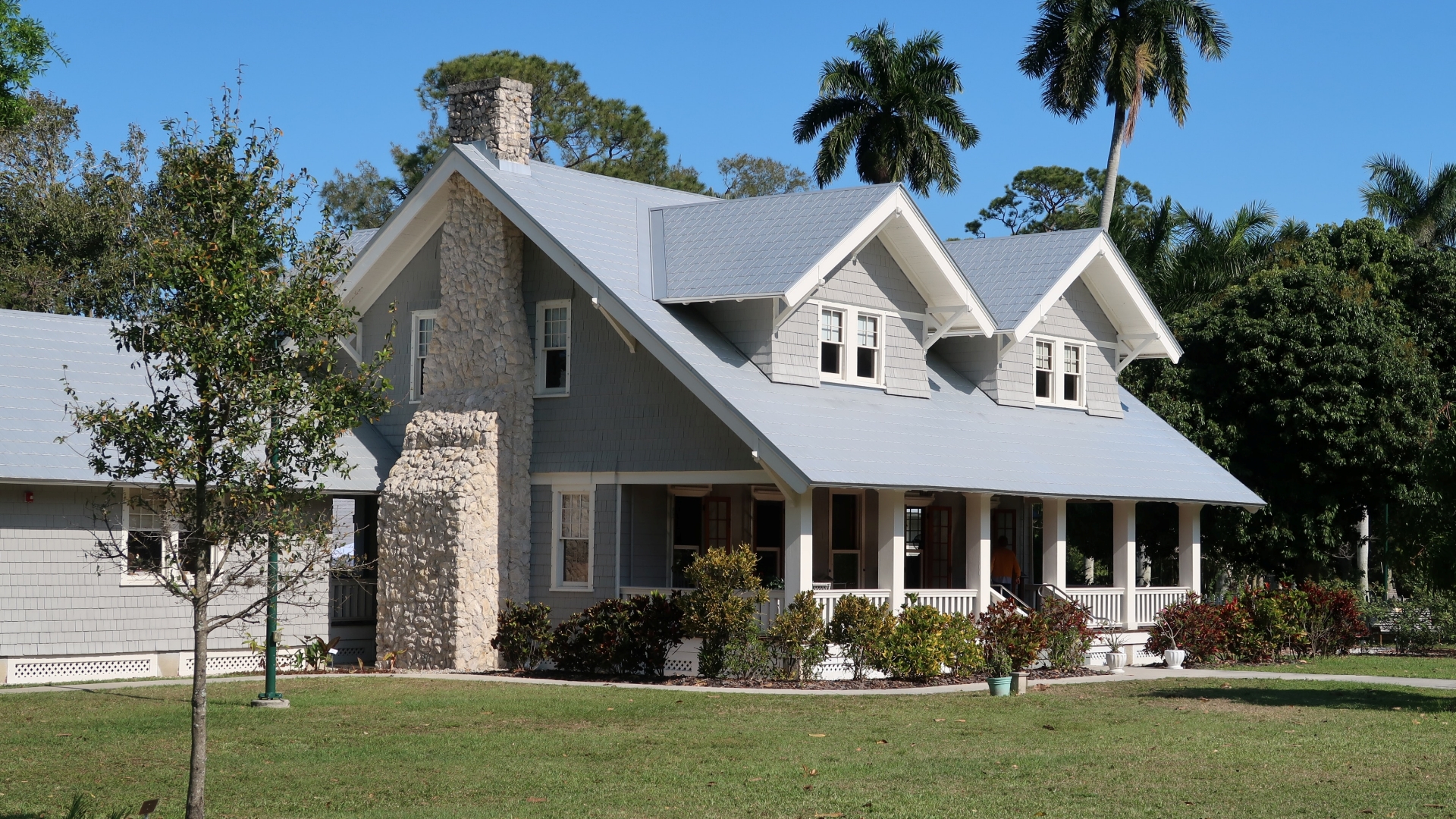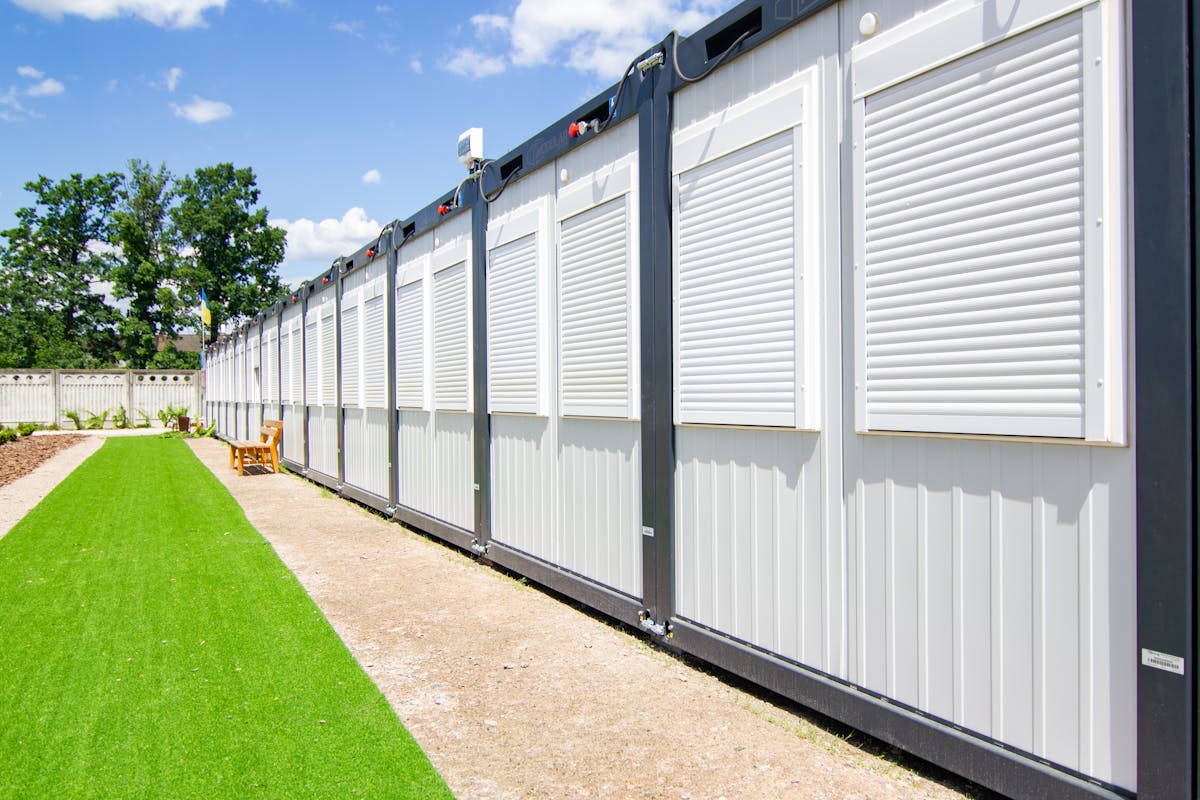

Energy efficiency is becoming a major priority in commercial construction as businesses look for ways to reduce operating costs, improve sustainability, and create better environments for occupants. Modern building technologies and advanced construction systems are helping commercial properties perform more efficiently than ever before. Developers and builders using structural insulated panels often recognize that energy-efficient design is no longer just a trend, it is becoming a standard expectation in modern commercial construction.
Commercial buildings consume large amounts of energy every day.
Improving efficiency helps businesses operate more effectively over the long term.
1. Rising Energy Costs Are Driving Demand for Efficiency
Utility expenses significantly impact commercial operations.
Heating, cooling, lighting, and ventilation systems can create major ongoing costs for building owners.
Why Efficiency Matters:
- Better insulation reduces energy loss
- Efficient systems lower monthly utility bills
Benefits:
- Reduced operating expenses
- More predictable long-term energy costs
Efficiency supports financial stability.
The Trade-Off
Energy-efficient construction often requires higher upfront investment, but it can reduce operating costs over time.
2. Businesses Are Prioritizing Sustainability
Environmental responsibility is becoming more important across industries.
Many organizations are looking for ways to reduce their environmental footprint and improve sustainability practices.
Common Sustainability Goals:
- Lower energy consumption
- Reduced emissions
- More responsible resource use
Benefits:
- Improved public image
- Better alignment with environmental standards
Sustainability supports long-term business goals.
The Trade-Off
Sustainable building strategies may require additional planning and specialized materials.
3. Modern Building Codes Are Becoming More Strict
Construction regulations continue evolving.
Many regions now require higher energy performance standards for commercial buildings.
Common Code Requirements:
- Improved insulation performance
- Better air sealing
- More efficient HVAC systems
Why It Matters:
- Buildings must meet modern efficiency expectations
- Compliance helps avoid future upgrades
Standards are shaping construction practices.
The Trade-Off
Meeting advanced building codes may increase project complexity and planning requirements.
4. Better Insulation Improves Building Performance
The building envelope plays a major role in efficiency.
Modern insulation systems help reduce heat transfer and improve indoor climate control.
Benefits:
- More stable indoor temperatures
- Reduced heating and cooling demand
- Improved occupant comfort
Why It Matters:
- Energy loss increases operating costs and reduces efficiency
Performance starts with insulation.
The Trade-Off
Higher-performance insulation materials may cost more initially but improve long-term savings.
5. Energy-Efficient Buildings Improve Occupant Comfort
Comfort affects productivity and satisfaction.
Commercial buildings with stable indoor temperatures and better air quality often create more pleasant working environments.
Benefits:
- Reduced drafts and temperature fluctuations
- Better indoor air quality
- Improved workplace comfort
Impact:
- More productive and comfortable environments for employees and visitors
Comfort supports overall building value.
The Trade-Off
High-performance climate systems may require additional infrastructure and maintenance planning.
6. Efficient Buildings Often Require Less Maintenance
Modern systems are designed for long-term performance.
Energy-efficient buildings often use durable materials and technologies that reduce maintenance needs over time.
Common Advantages:
- Better moisture control
- Reduced strain on HVAC systems
- Improved durability of building components
Benefits:
- Lower repair costs
- Increased building lifespan
Durability supports long-term efficiency.
The Trade-Off
Advanced systems may require specialized installation and servicing.
7. Energy Efficiency Supports Long-Term Property Value
Commercial real estate markets are changing.
Efficient buildings are increasingly attractive to tenants, investors, and buyers.
Why It Matters:
- Lower operating costs improve property appeal
- Sustainable buildings are becoming more desirable
Benefits:
- Stronger long-term investment potential
- Better market competitiveness
Efficiency increases asset value.
The Trade-Off
Efficiency-focused upgrades may require larger initial budgets, but they improve long-term property performance.
8. Technology Is Improving Building Management
Modern commercial buildings use smarter systems.
Advanced technologies help monitor and optimize energy use more effectively.
Examples:
- Smart lighting systems
- Automated climate controls
- Energy monitoring systems
Benefits:
- Better energy management
- Reduced waste and inefficiency
Technology improves operational control.
The Trade-Off
Smart systems require setup, monitoring, and occasional upgrades to maintain performance.
9. Businesses Want Greater Operational Resilience
Energy efficiency supports long-term reliability.
Buildings designed with efficient systems are often better prepared for future energy challenges and operational demands.
Why It Matters:
- Rising energy costs may continue in the future
- Efficient buildings are more adaptable to changing regulations and market expectations
Benefits:
- Improved long-term operational stability
- Reduced exposure to energy-related cost increases
Preparedness supports resilience.
The Trade-Off
Future-focused construction requires strategic planning, but it improves long-term adaptability.
The Takeaway: Energy Efficiency Is Becoming a Standard in Commercial Construction
Commercial buildings are becoming more energy efficient because businesses, developers, and property owners increasingly recognize the financial, environmental, and operational benefits of better-performing structures.
Modern energy-efficient commercial buildings help:
- Reduce operating costs
- Improve sustainability
- Meet evolving building codes
- Improve occupant comfort
- Reduce maintenance demands
- Increase long-term property value
- Improve energy management through technology
- Support operational resilience
The goal is not simply to reduce energy use.
It is to create commercial spaces that perform better for owners, occupants, and the environment over the long term.
As construction standards continue evolving, energy efficiency will remain one of the most important factors shaping the future of commercial building design and performance.
Do you know someone who might enjoy this article or would find it useful? Share it!