
 Image Credit: Unsplash
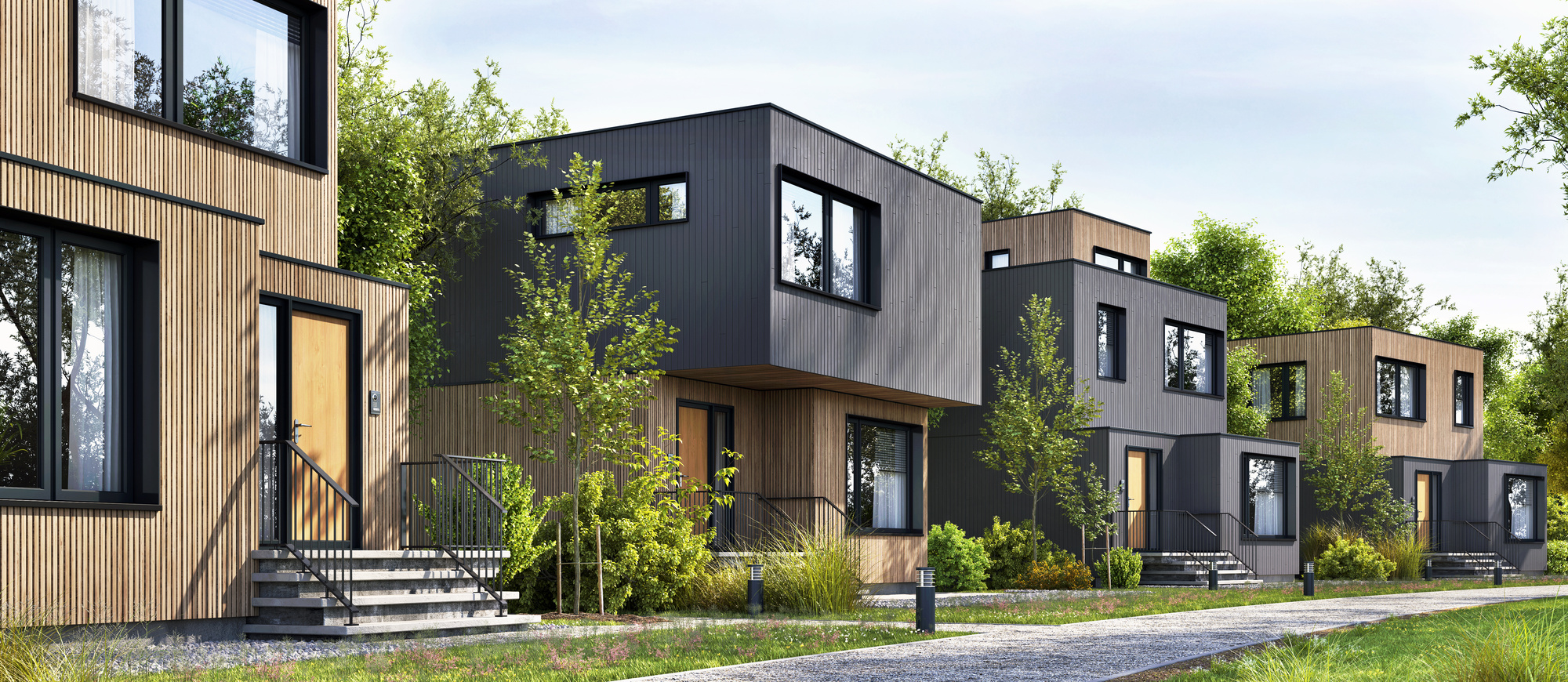
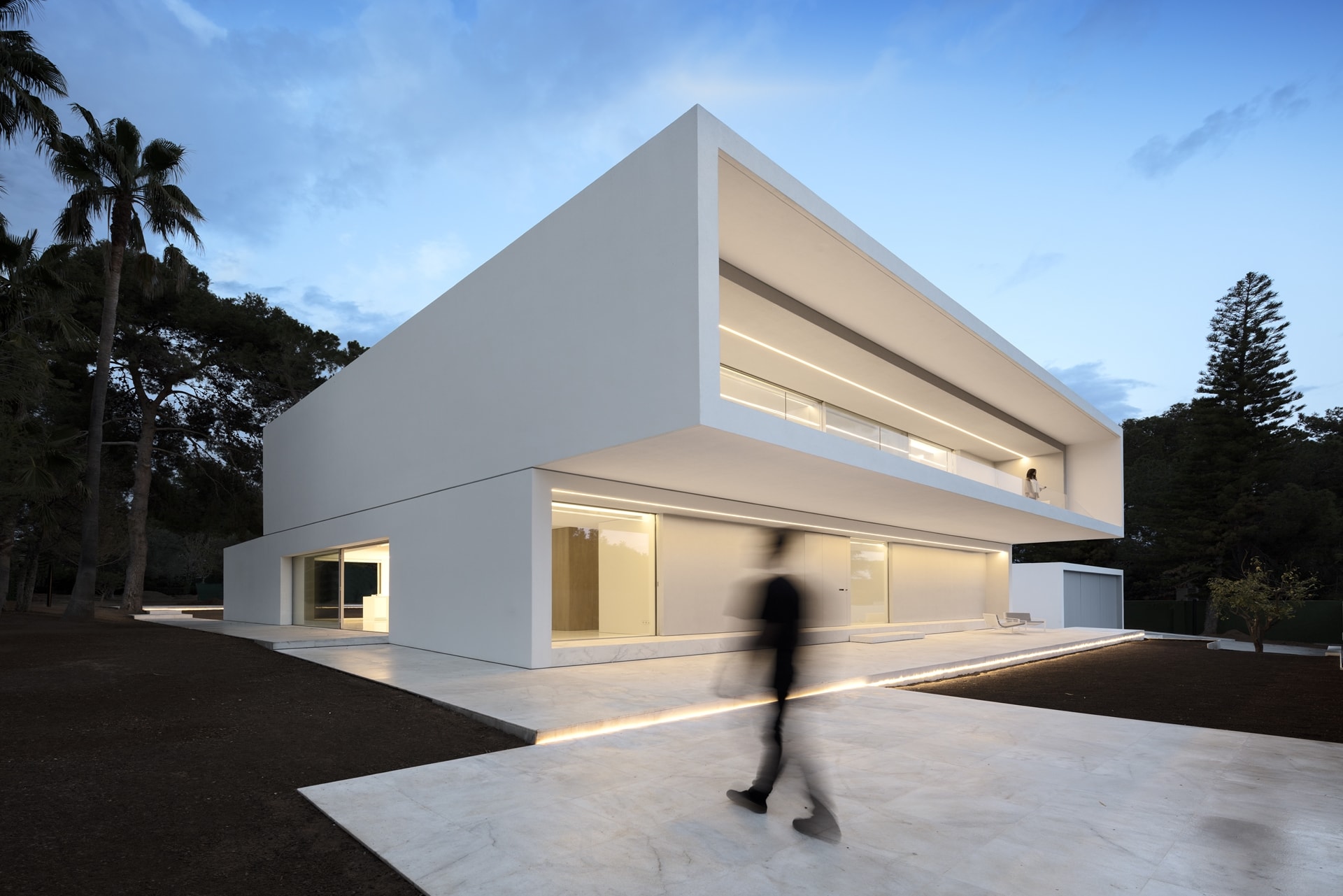
Modern architecture isn’t just about how a building looks; it’s also about how it fits in with everything around it. The best contemporary homes don’t just sit on a piece of land; they become one with it. Thinking about landscape design right from the start is super important for making a home feel complete, purposeful, and connected to nature. This way, the home’s living space gets bigger, and its unique architectural style really shines through.
Seamless Indoor-Outdoor Flow
One cool thing about modern home design is how it blurs the lines between inside and outside, often thanks to modern outdoor platforms. You’ll see this with huge glass walls, sliding doors, and windows that frame garden views like they’re works of art. The idea is to make the jump from inside to out so smooth that the garden feels like just another room in the house.
To really make this happen, designers often use the same flooring material both inside and on an outdoor patio or terrace. This visual trick makes both areas seem bigger and more connected. When you’re designing for seamless indoor-outdoor living, you’re basically creating useful outdoor spots like a dining area, a comfy lounge, or a quiet corner for thinking, and these spots match up perfectly with the indoor rooms they’re next to.
Architectural Plant Selection
In a modern landscape, plants aren’t just pretty decorations; they’re like building blocks. People often focus on their shape, texture, and structure, not just their flower colors. Think about tall, sculptural grasses swaying in the breeze, skinny trees that draw your eye upwards, or low, spreading groundcovers that create a green carpet. Picking the right plants can really complement a home’s architectural style by matching its lines and materials.
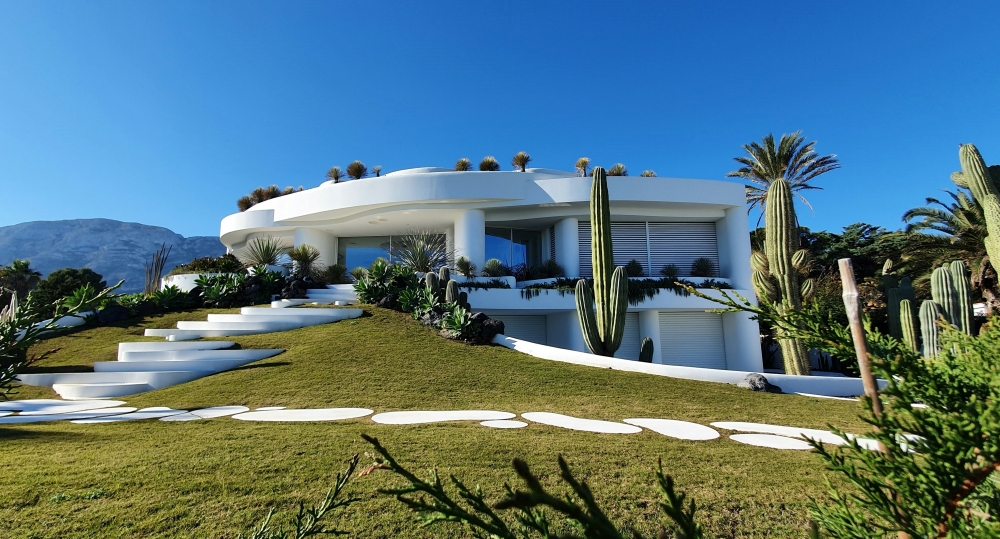
For a house with strong, straight lines, a landscape with neat hedges and simple planting beds can really play up that geometric look. If a home has more gentle curves, then a softer, more natural planting style with flowing grasses and layered perennials might be a better fit. The main thing is to choose plants that tell the same story as the overall design.
The Ongoing Care for Cohesion
A well-designed landscape is like a living piece of art, and just like anything valuable, it needs regular care to stay beautiful. The initial design is only the beginning. Over time, plants grow, seasons change, and without proper upkeep, that original vision can get lost. This is especially true for bigger properties where the sheer size of the landscape is a huge part of the home’s appeal.
Regular care means making sure structural plants are trimmed to keep their intended shape, planting beds stay full and weed-free, and the garden remains healthy. Estate landscape maintenance helps preserve the original design intent so the landscape continues to complement the architecture rather than overgrow or compete with it.
Hardscape as an Extension of Design
Hardscaping, which means all the non-plant stuff like patios, paths, retaining walls, and water features, is like the skeleton of the landscape. In a well-integrated design, these elements are chosen to directly relate to the home’s materials and shapes. A concrete patio might echo the polished concrete floors inside, or a stone retaining wall could be built from the same kind of stone used on the house’s exterior.
These connections create a strong sense of togetherness. Paths should be designed to lead your eye and your steps through the landscape, showing off views and linking different outdoor “rooms.” Water features, whether they’re calm reflecting pools or simple fountains, can add a lively touch of sound and movement that goes well with the quietness of modern architectural forms.
Sustainability in Modern Landscapes
Modern design is more and more about being sustainable, and landscaping is the perfect place to put these ideas into action. A sustainable landscape works with the local environment, not against it. This can involve several strategies that are both pretty and responsible.
Using native plants is a great start because they’re already used to the local climate and soil, so they need less water and upkeep. Installing a smart irrigation system can really cut down on water use by only watering when and where it’s needed. Permeable pavers for driveways and patios let rainwater soak back into the ground, which reduces runoff and refills groundwater. These choices not only help the environment but also create a landscape that feels truly right for its location.
A well-integrated landscape does more than just make a property look nice. It completes the architectural vision, expands the living space, and creates a home that truly lives in harmony with its surroundings.
Do you know someone who might enjoy this article or would find it useful? Share it!