
 Image Credit: Unsplash
The first and last things people often see in a building are its shared spaces, like lobbies, lounges, and hallways. These areas play a major role in shaping how people experience the building from the moment they arrive. For a long time, these spots were just seen as places to pass through, built for toughness but without much personality. Modern design is changing all that. It’s turning these common areas from simple walkways into lively, welcoming places that make daily life better for everyone who lives or visits there. This new way of thinking understands that a building’s shared spaces really show what it’s all about and are a big part of how people experience it.
Beyond Basic Lobbies
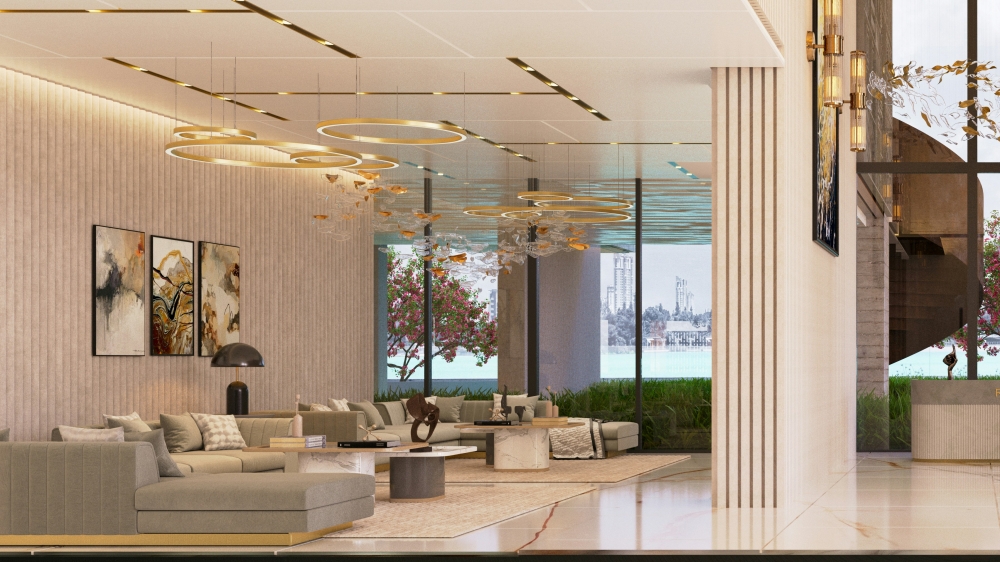
A lobby isn’t just a place to wait for the elevator anymore. It’s like the building’s handshake, setting the mood for everything else. A well-designed lobby can make residents proud to come home and leave a great impression on guests. The secret to elevating first impressions goes beyond just having a front desk and a few chairs. It’s about creating a certain feeling. Imagine comfy seating, interesting art, and warm, layered lighting.
For homes, thoughtful condominium common space upgrades can make shared areas more welcoming, functional, and enjoyable for residents. This might include adding a coffee bar, an attractive and secure package system, or a simple water feature that creates a calming atmosphere. The goal is to transform the lobby into a space that adds value to everyday living rather than simply serving as a passageway.
Functional Aesthetics for All
Modern design is all about how well the integration of function and form works. If a beautiful space doesn’t actually work for the people using it, then the design hasn’t done its job. In shared areas, this means thinking about how people will really live, work, and hang out in that space. Do residents often wait for ride-shares with luggage? Add a special spot with bench seating. Do people work from home? Create a co-working lounge with good Wi-Fi and easy-to-reach power outlets.
You can see this mix of looks and usefulness in little things like:
- Flexible Seating: A mix of tables, comfy chairs, and long benches lets people work alone or chat in groups.
- Integrated Technology: Charging spots built into furniture, smart lights that change with the time of day, and easy-to-use digital screens keep the space connected and handy.
- Zoned Areas: Making different sections for different things, like a quiet corner for reading or a social spot for talking, means lots of people can use the space comfortably at the same time.
Designing for Community Engagement
Great design can really help people feel more connected. When shared spaces are inviting and useful, they encourage residents to leave their private apartments and get to know their neighbors. It’s about creating chances for people to bump into each other and chat. A central fireplace, a shared kitchen, or a game room can easily become places where people gather.
Think about adding things that everyone can use. A shared library where residents can swap books, a soundproof music room for practice, or a rooftop patio with grills and comfy seating all help people socialize. The design should feel less like a hotel lobby and more like a shared living room, building a stronger, more connected community for residents.
Materials That Elevate
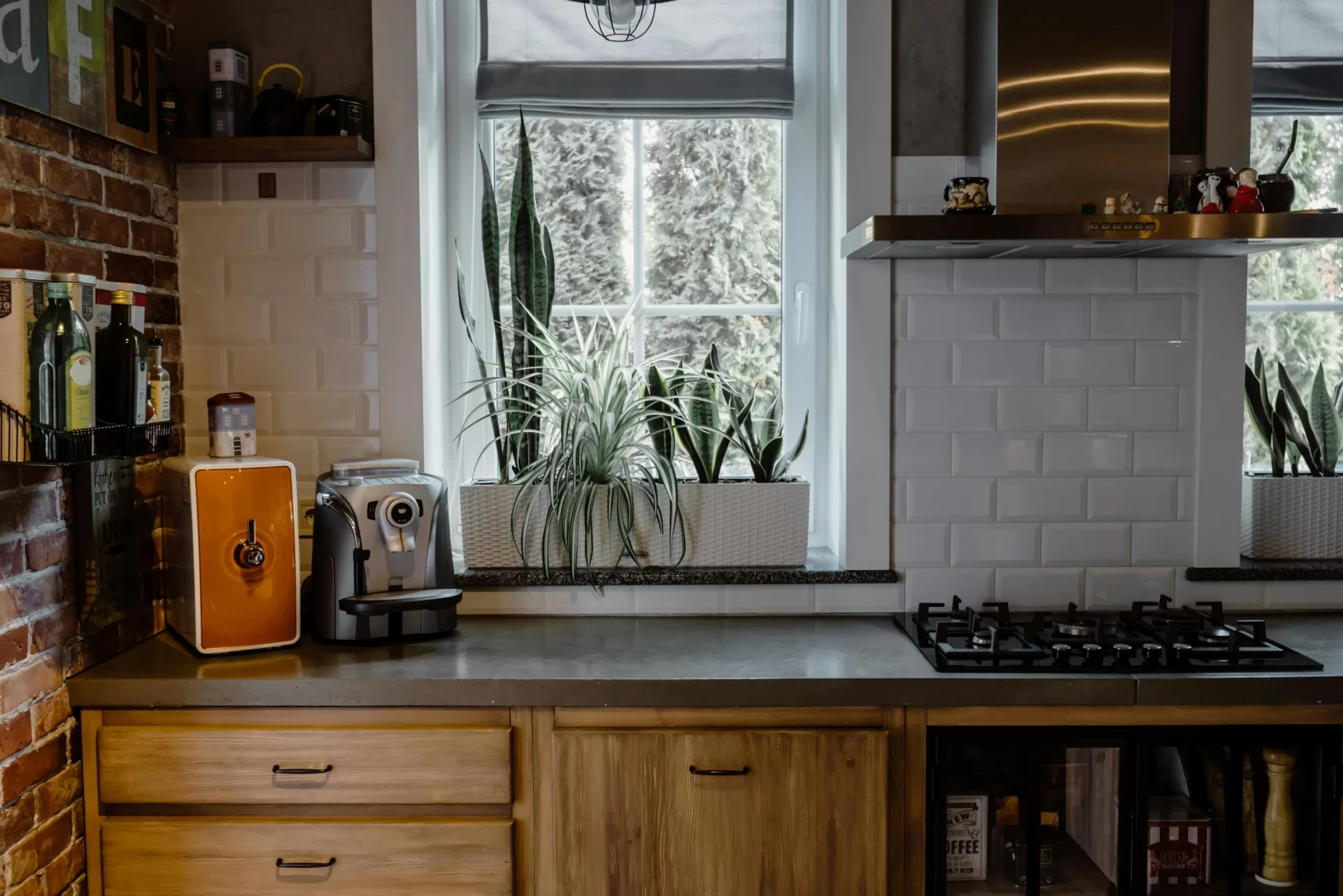
The materials you use in a shared space really affect how it looks, feels, and lasts. Modern design often goes for materials that are both fancy and tough. Natural stuff like wood, stone, and leather add warmth and texture, making the space feel grounded and more welcoming. You can balance these with industrial touches like polished concrete, exposed steel, and big glass panes for a modern vibe.
When picking materials, how long they last is just as important as how they look. Busy areas need flooring, cushions, and surfaces that can handle daily use without looking worn out. Quartz countertops, for example, look as elegant as natural stone but are much tougher. Special fabrics can feel luxurious while being easy to clean. Making smart choices about materials means the space will not only look great on day one but will keep making the building better for years to come.
In the end, designing modern shared spaces is all about focusing on people. By creating places that are beautiful, practical, and help build community, we can turn these often-overlooked areas into the real heart of a building.
Do you know someone who might enjoy this article or would find it useful? Share it!