
 Image Credit: Unsplash
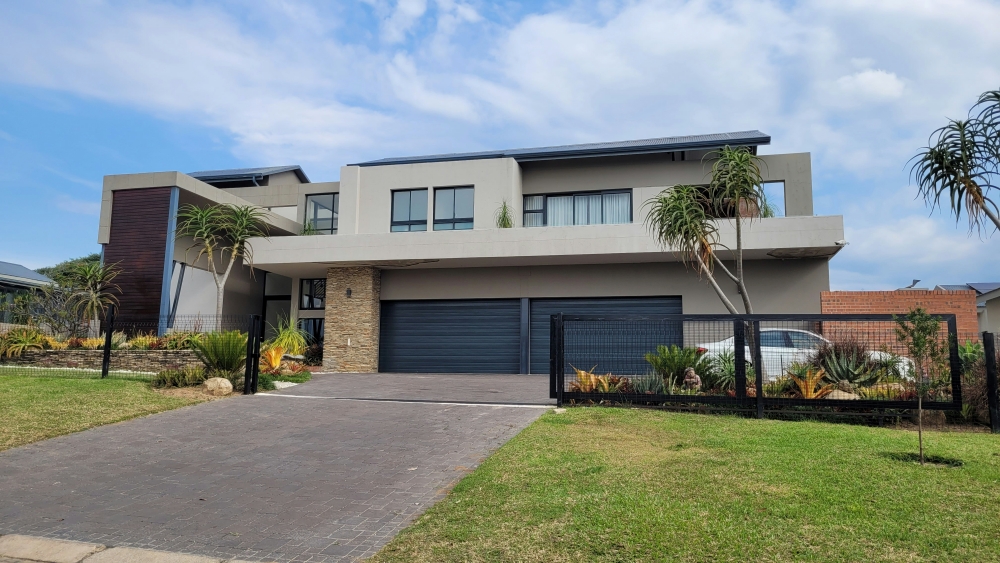
A driveway occupies a large share of many home frontages, so its design has a strong influence on how the entire property appears from the street. Its colour, texture and alignment can reinforce the architecture, guide visitors towards the entrance and make outdoor areas feel connected. Good driveway design also solves practical concerns, including vehicle access, stormwater movement and long-term surface wear.
First Impressions Start at the Street
Visitors often notice the driveway before they register smaller details such as door hardware or garden lighting. A clean edge, considered proportions and a surface that complements the facade create an orderly visual path from the street to the home. This effect also supports the power of first impressions when a property reaches the market.
Begin by viewing the frontage from across the street. Check whether the driveway dominates the garden, competes with the entry path or leaves awkward strips of unused ground. Defined planting beds and a clear pedestrian route can soften a broad paved area without making access difficult.
Modern Surface Textures Worth Exploring
Plain grey concrete remains practical, but it’s far from the only option. Exposed aggregate adds visible stone and useful grip, while a lightly textured finish can create a restrained contemporary appearance. Saw-cut lines may divide a large driveway into balanced panels that relate to windows, gates or facade details. These modern driveway ideas show how pattern and material can shape kerb appeal.
Collect samples and assess them outside, since direct sunlight and wet weather can change how a concrete finish looks. The right choice should complement the home’s exterior while providing suitable grip, durability and ease of maintenance. Experienced concreters can help homeowners compare finishes and consider practical factors such as driveway slope, drainage, vehicle use and the preparation needed for a lasting result. For a wider material comparison, see this guide to residential exterior surfaces.
Drainage Solutions That Blend Seamlessly
Water should move away from the house, garage and neighbouring properties without cutting an obvious channel through the design. A carefully graded driveway uses a subtle fall to direct runoff towards an appropriate collection point. Where levels are tight, a slimline grated drain near the garage or across the driveway entrance can manage water with minimal visual interruption.
Discuss drainage before settling on decorative lines or border positions. A drain installed as an afterthought may break the pattern and require extra cutting. In areas that receive heavy rain, keep garden mulch and loose gravel away from drainage channels. Regularly clearing leaves from grates also helps water flow during sudden downpours.
Why Precision Pouring Protects Your Investment
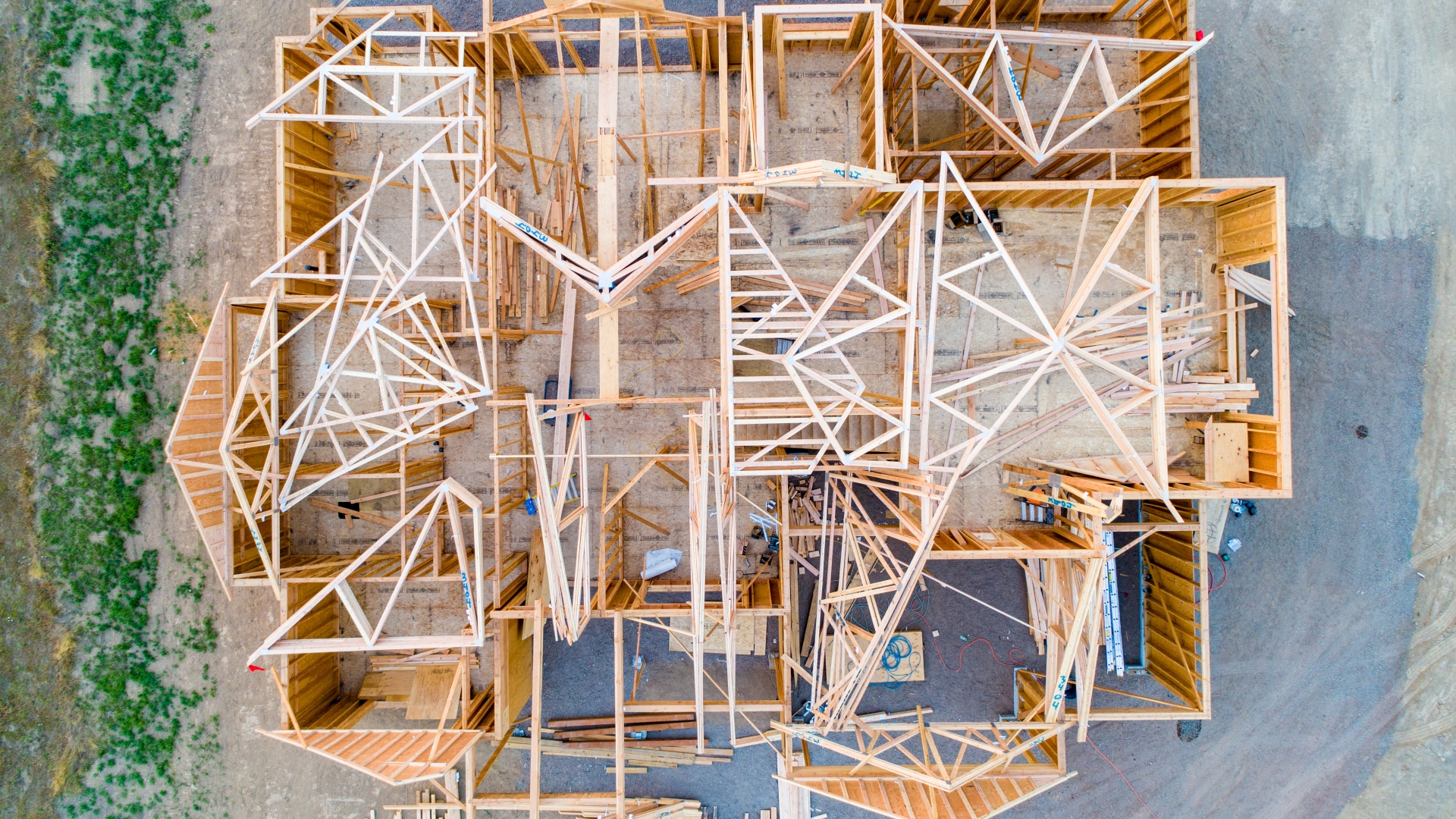
A good-looking finish depends on the work beneath it. Site preparation, formwork and reinforcement all affect how the driveway performs under repeated vehicle loads. Concrete must also be placed at a consistent thickness, finished at the correct time and allowed to cure properly. Rushed curing can weaken the surface and increase the risk of early cracking or dusting.
Control joints deserve particular attention because they create planned locations for normal movement. Their spacing should account for the driveway’s dimensions and shape, including narrow sections near gates. Ask for a clear project sequence covering excavation, base preparation, pouring and curing. You should also know when foot traffic and vehicles can safely return.
Balancing Form and Daily Function
The best driveway layout works during an ordinary weekday, not only in a carefully framed photograph. Check that doors can open beside garden beds, bins can reach the street, and vehicles can enter without crossing sharp edging. If two cars regularly share the space, mark their approximate positions before finalising the width.
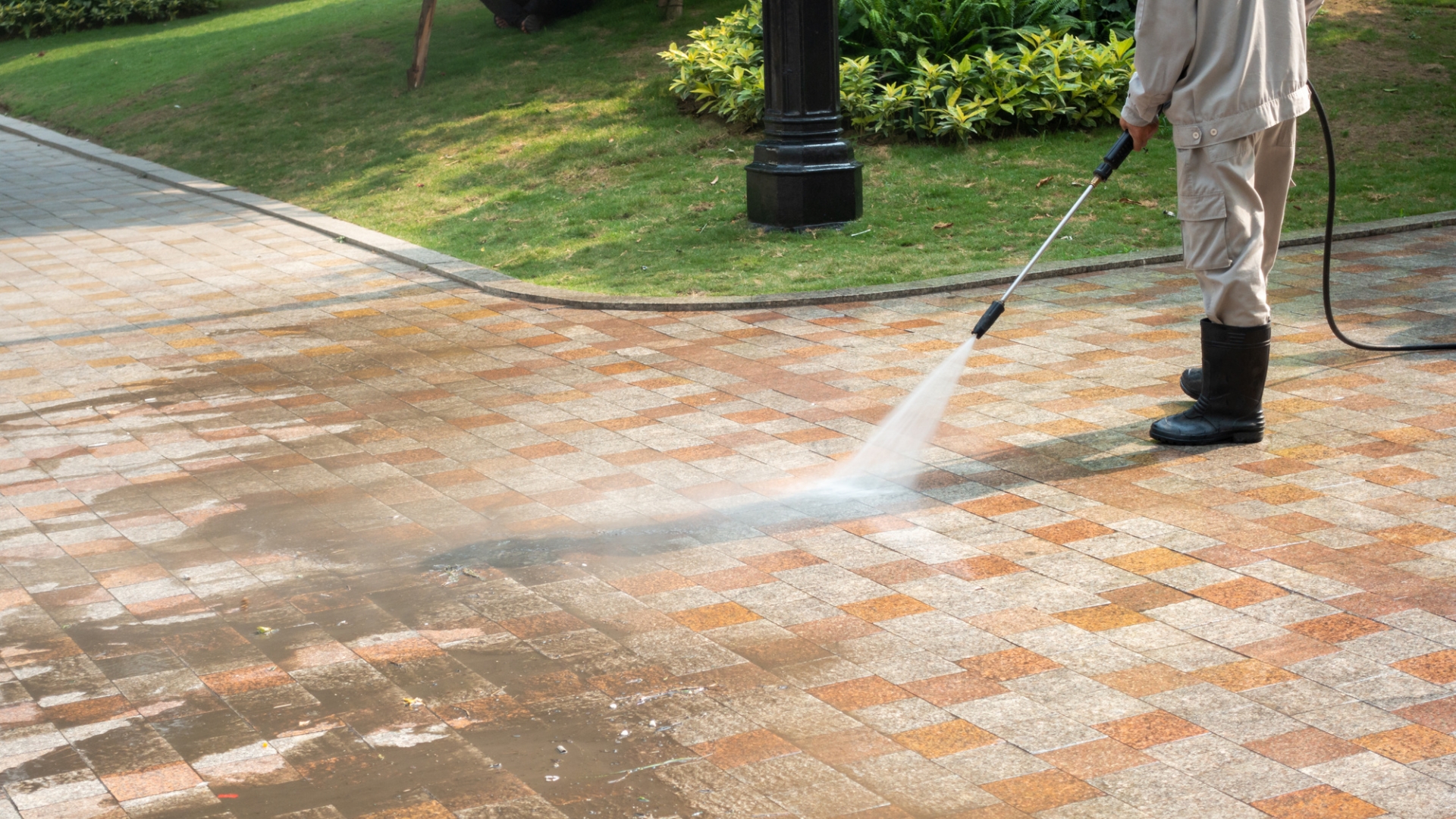
Lighting should clarify the driveway boundary and pedestrian route without shining into windows. Low bollards, recessed fixtures or lights integrated into planting can provide guidance after dark. Keep future maintenance in mind too. Highly detailed patterns may demand more cleaning, while pale finishes can reveal tyre marks quickly. A restrained surface, accurate falls and well-placed joints will keep the frontage looking composed long after the concrete has cured.
Do you know someone who might enjoy this article or would find it useful? Share it!