
 Image credit: Unsplash
Creating a home that feels like a peaceful retreat is a popular goal these days. Minimalism, with its clean lines and uncluttered spaces, offers a wonderful way to achieve that sense of calm and order. It’s not about having an empty house; it’s about carefully choosing what stays, making sure every object has a purpose and brings you joy. Embracing minimalism often starts with the practical art of decluttering, a process that can truly transform both your home and your outlook.
Understanding Minimalist Principles
At its heart, minimalism is all about being intentional. It encourages you to live with just the things you genuinely need or love. This way of thinking pushes back against the constant urge to buy more, shifting your focus from how much you have to how good it is. A minimalist home isn’t necessarily stark or cold; instead, it’s a space with room to breathe, where architectural details and cherished items can really shine.
Think of it like editing your environment. By getting rid of the extra stuff, like the clothes you never wear, the gadgets you don’t use, and the piles of old magazines, you open up both physical and mental space. This lets you truly appreciate your home’s design and the items you’ve chosen to keep. It’s a deliberate step toward a simpler, more organized life, where your home reflects your values, not just a storage unit for everything you own.
Developing a Decluttering Strategy
Jumping into decluttering without a plan can feel totally overwhelming. A clear strategy will help you stay focused and motivated. One popular trick is to tackle your home one small area at a time, maybe a single drawer, a bookshelf, or just one corner of a room. This helps prevent burnout and gives you satisfying little wins along the way. Another approach is to gather all similar items, like all your books or all your clothes, from around the house into one spot so you can see everything you own at once.
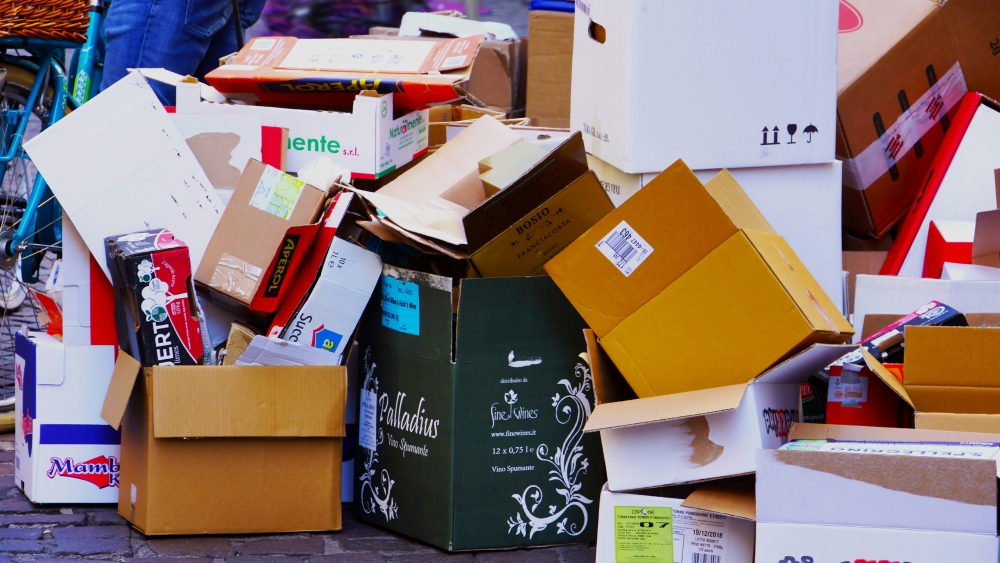
Part of your plan should also include figuring out what to do with the items you’re getting rid of. For a big project, like clearing out a garage, basement, or an entire home, you’ll end up with a lot of donations and trash. Thinking about disposal from the very beginning is super important. Considering these expert strategies to declutter your home will help you create a system that truly works.
Sorting and Deciding What to Keep
Once you have a strategy, it’s time to sort. The four-box method is a simple and effective way to get started. Grab four boxes and label them: Keep, Donate/Sell, Trash, and Relocate. As you pick up each item, you need to decide which box it belongs in. The “Relocate” box is for things that are just in the wrong room and simply need to be put back where they belong.
To make confident decisions, ask yourself a few straightforward questions:
- Do I use this item often?
- Does it have a lot of sentimental value?
- Would I buy this again today?
- Does it support the kind of life I want to live?
If you keep answering no, it’s probably time to let it go. This part can be tough, especially with sentimental items. Just remember, you’re not getting rid of the memory, only the physical object. If you’re new to this, learning the basics for beginners can give you a great foundation for making these choices.
Efficiently Disposing of Unwanted Items
After you’ve sorted everything, you’ll have piles ready to donate, sell, or throw away. It’s important to get rid of these items responsibly. Good-quality clothing, furniture, and housewares can go to local charities or shelters where they can find a new life. Many organizations even offer to pick up larger items.
For things that still have some value, think about selling them. Online marketplaces, consignment shops, and local buy-sell-trade groups are excellent ways to turn your clutter into a little cash. This can be a great boost to keep you going. For larger cleanouts that leave you with bulky or unusable items, a local service such as Red Dog Dumpsters can provide a convenient way to keep waste contained and remove it once the job is finished. For everything else, make sure to recycle what you can and properly dispose of the rest. Having a plan for each category of unwanted items ensures they actually leave your home instead of just moving from one pile to another.
Maintaining a Clutter-Free Environment
Decluttering isn’t a one-time thing; it’s the start of a new habit. To keep your newly minimalist space tidy, you need to be mindful of what you bring into your home. The “one in, one out” rule is a fantastic practice: for every new item you get, one similar item has to leave. This stops clutter from slowly creeping back in.
Practice conscious consumption by pausing before you buy something new. Ask yourself if you truly need it and if you have a specific spot for it in your home. Schedule regular, quick decluttering sessions, maybe 15 minutes every weekend, to tackle any new clutter before it piles up. This ongoing maintenance is much less intimidating than a huge annual cleanout and helps keep the peace and order you’ve worked so hard to create.
Do you know someone who might enjoy this article or would find it useful? Share it!