
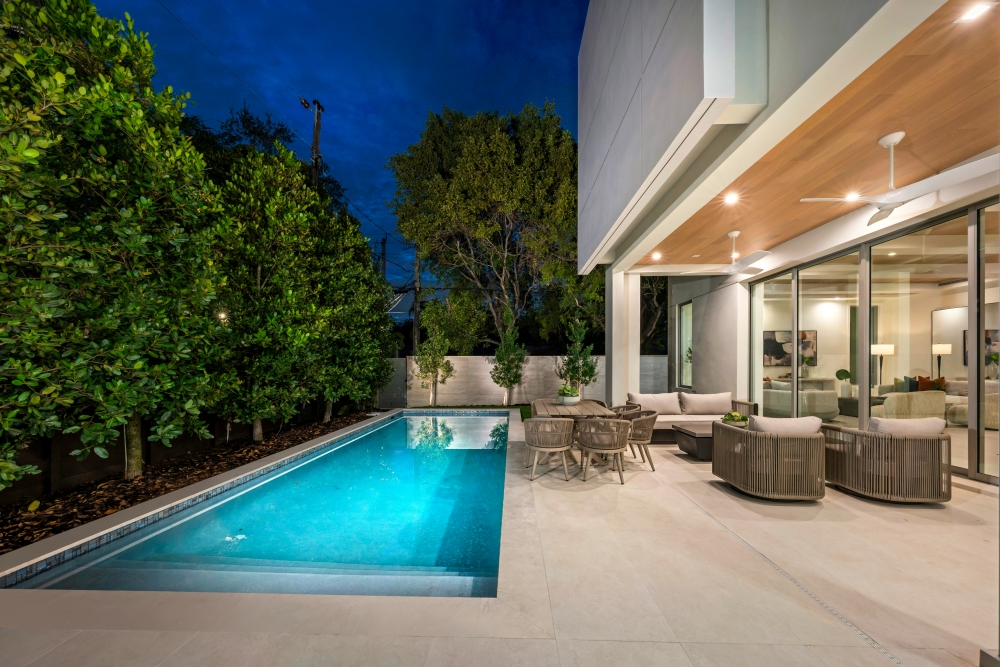
 Image Credit: Unsplash
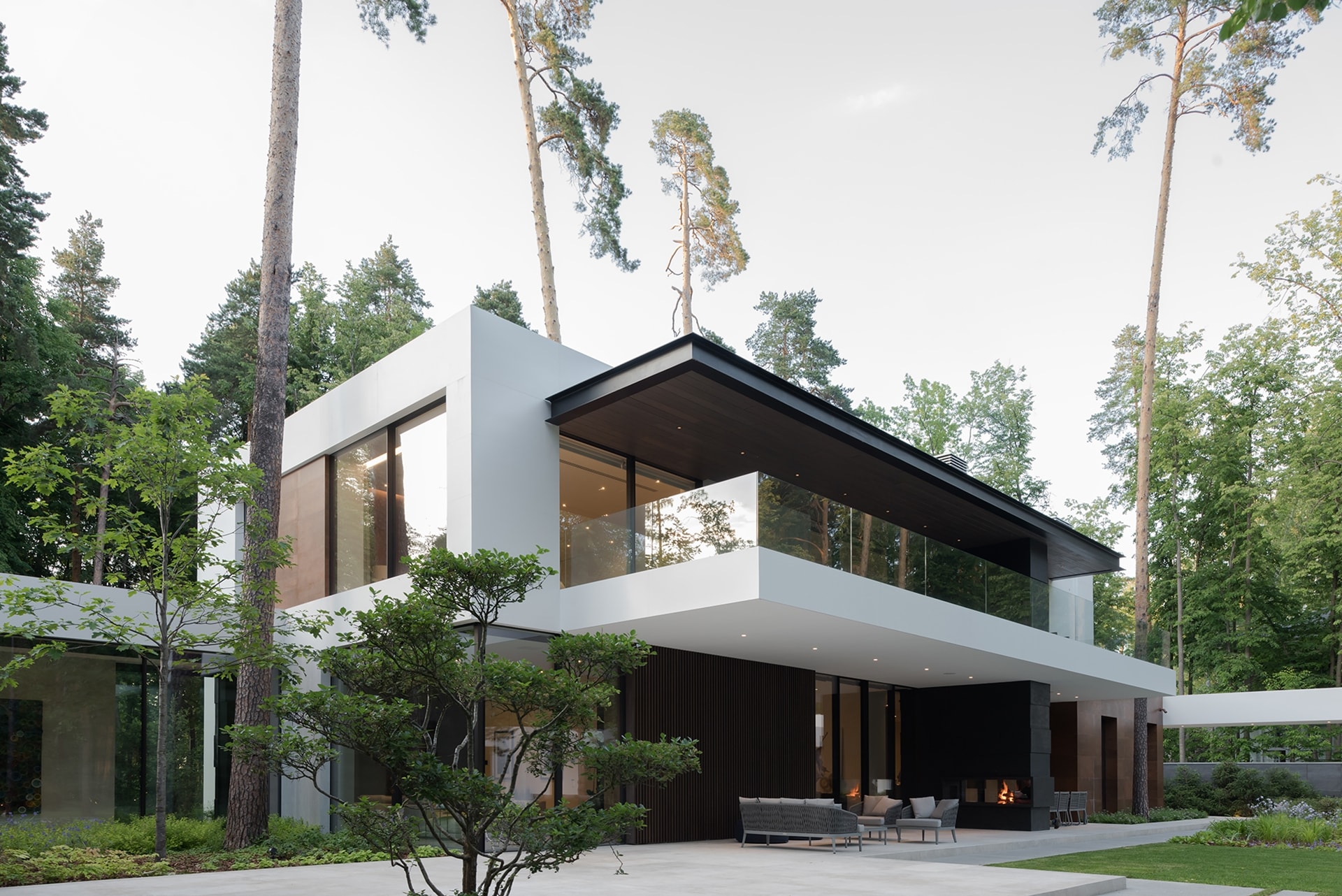
When you think about modern home design, you probably picture clean lines, open spaces, and a smooth connection to the outdoors. That connection isn’t just about big windows; it’s about really planning the outside to feel like a natural extension of the inside. This is where hardscaping comes in. It gives your yard the structure, purpose, and style it needs to go from just a yard to a fancy outdoor living area.
Defining Hardscape in Design
Hardscaping covers all the non-living parts of your landscape design. Think of it as the skeleton of your outdoor space. While softscaping includes plants, soil, and grass, hardscaping uses things like stone, concrete, wood, and metal. These materials create paths, patios, retaining walls, and other sturdy features.
The idea behind hardscape design is to create outdoor areas that you can actually live in and use. Good hardscaping guides where people walk, sets up different “rooms” for eating or lounging, and gives you solid spots for furniture and foot traffic. It builds the lasting framework that you can then arrange your softer, living elements around.
Materials for Contemporary Spaces
Picking the right materials is important for a modern look. Contemporary design loves clean lines, simple shapes, and neutral colors. Big concrete pavers or tiles make a smooth, continuous surface that can make a space feel bigger. Natural stones like bluestone or slate add a natural texture while still looking sleek and simple.
For vertical parts or decks, materials like IPE wood or modern composites add warmth without giving up durability. Metal accents, especially Corten steel for planters or edging, bring in a cool industrial touch that fits well with a modern home’s style. Choosing the right materials is a basic first step, and a detailed landscape construction guide can help you understand what’s involved in installing them and how well they’ll hold up over time.
Beyond Patios and Walkways
Modern hardscaping is more than just a spot for your grill. It’s a chance to build exciting, multi-purpose features that make your life better. Don’t just think about a flat patio. Consider adding different levels with low retaining walls that can double as built-in seating. This not only makes things more interesting to look at but also smartly uses every bit of space in a smaller yard.
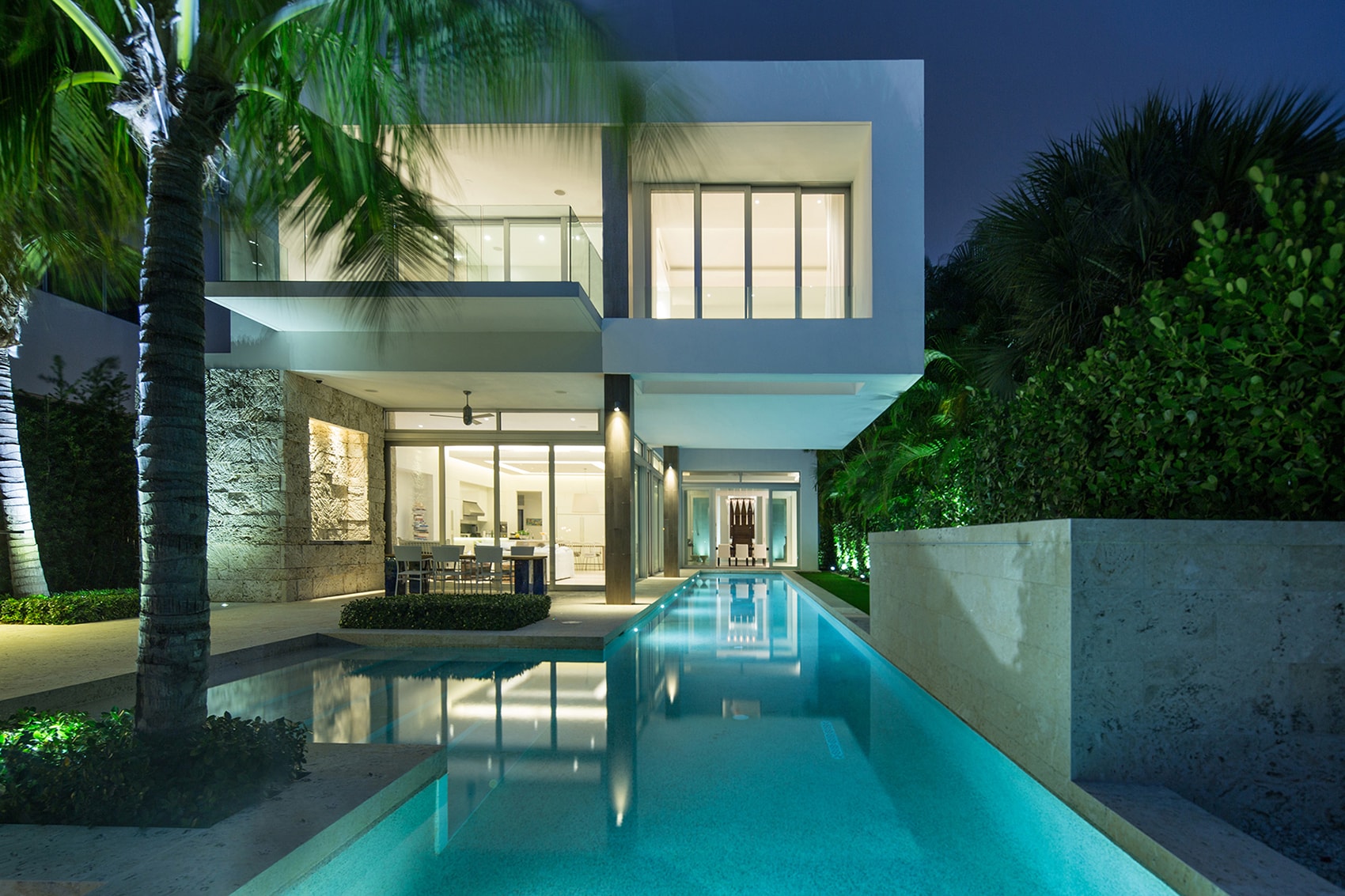
Outdoor kitchens with concrete counters, built-in fire pits, and simple water features are also really popular. A basic, board-formed concrete fire pit can become a stunning centerpiece for evening get-togethers. These features help create modern landscape design ideas that turn a regular yard into a special place. The goal is to make different zones that invite different activities, from cooking and eating to relaxing by a fire.
Structuring Your Outdoor Layout
A good hardscape layout feels planned and flows easily. Start by thinking about how you want to use the space and map out the main paths. How will you get from the back door to the dining area, or from the lounge spot to the garden? Make sure paths are wide enough to walk comfortably, usually at least three to four feet.
Consider how different areas relate to each other. The outdoor dining area should ideally be close to the kitchen for convenience. A quiet seating area might be tucked away in a more private corner of the yard. Pay attention to size; your patio and other features should be in proportion to both your house and your whole property. A huge patio next to a tiny house can feel overwhelming, while a small one can feel lost and not very useful.
Longevity and Low Maintenance
One of the best things about a well-done hardscape is how tough it is and how little upkeep it needs. Unlike a big lawn that constantly needs mowing, watering, and fertilizing, surfaces made of stone, concrete, or pavers require very little work. This is especially appealing for modern life, where time is precious.
Proper installation is key to making it last. A solid base stops pavers from shifting and cracking, and using good sealants can protect surfaces from stains and weather damage. Choosing tough materials like dense natural stone or strong concrete means your investment will stand up to the elements for years. In the end, a thoughtfully designed hardscape means less yard work and more time to simply enjoy your outdoor haven.
By combining strong structural elements with clean, modern materials, hardscaping connects your home and your garden. It’s about building a foundation for outdoor living that’s both beautiful and practical.
Do you know someone who might enjoy this article or would find it useful? Share it!