
 Image Credit: Unsplash
A pristine home comes from consistent care that addresses cleanliness, maintenance and small warning signs before they grow into expensive problems. Dusting and vacuuming still matter, but lasting home quality also depends on moisture control, routine inspections and timely repairs. A simple management plan helps you protect finishes, improve indoor comfort and spot concerns that might otherwise remain hidden behind cabinets, under sinks or inside storage areas.
Beyond Cleaning: A Holistic Approach
Regular cleaning provides a useful opportunity to inspect your home. As you work through each room, look for loose caulk, water stains, warped flooring and gaps around windows. A practical professional cleaning guide can help you build an efficient routine, but your checklist should also cover maintenance tasks.
Pay close attention to crumbs, standing water and crowded storage spaces. These conditions can support unwanted household pests and hide early signs of damage. This guide to how regular cleaning prevents pest problems explains why sanitation works best as part of ongoing prevention.
Understanding Potential Home Vulnerabilities
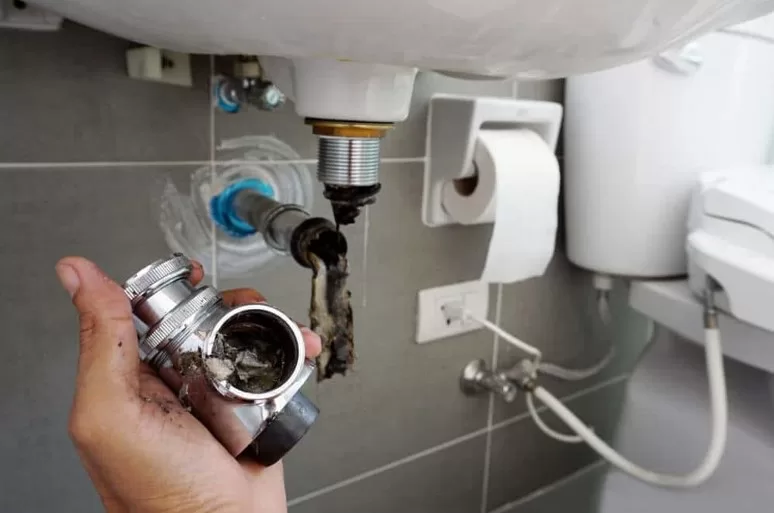
Start with the areas where water, food residue, and outdoor air enter the home. Kitchens, bathrooms, laundry rooms and basements deserve special attention because small leaks can create damp conditions quickly. Check under sinks with a flashlight, run your hand around supply connections, and inspect cabinet bases for swelling.
Houseplants, drains and overripe produce may also attract small flying insects. If you notice repeated activity, identify the source before trying random treatments. Guidance on getting rid of gnats indoors can help homeowners distinguish common problem areas and choose suitable inspection and control steps. Removing damp organic material often addresses the condition that allowed the issue to develop.
Early Detection Prevents Bigger Problems
Treat changes in your home as useful clues. A musty smell may point to trapped moisture, while peeling paint can indicate poor ventilation or a leak behind the surface. The Environmental Protection Agency’s mold guidance recommends controlling moisture because wet materials can support mold growth.
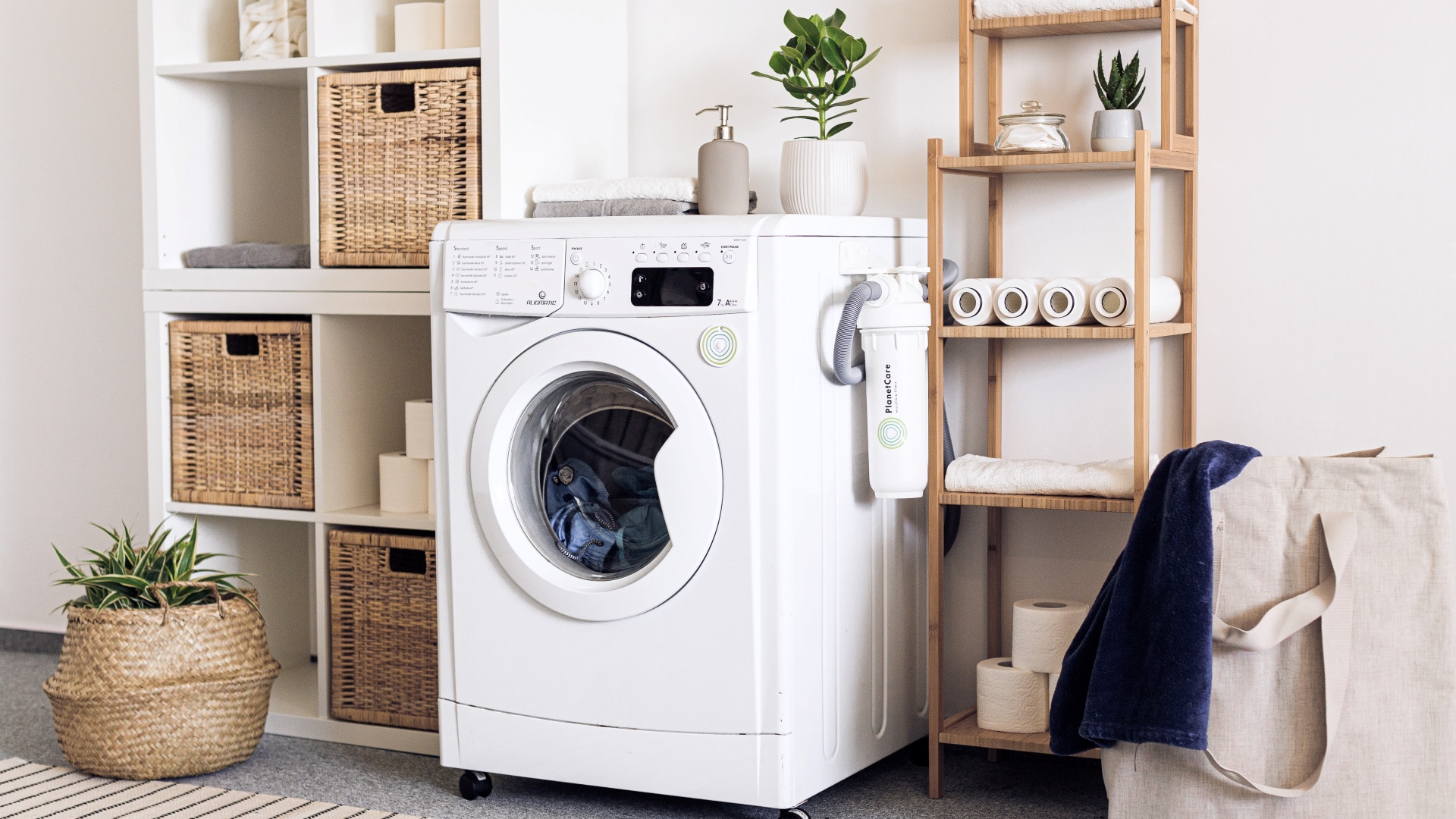
Set aside ten minutes each month to inspect places you rarely see. Open the cabinet beneath each sink, check the wall behind the washing machine, and examine ceilings below bathrooms. Photograph questionable spots and compare them a week later. If a stain expands or a surface remains damp, contact a qualified professional before cosmetic repairs cover the evidence.
Scheduled Inspections for Peace of Mind
Put recurring home checks on your calendar so they don’t depend on memory. A monthly review can cover plumbing connections, drains, and food storage areas. Every three months, inspect weatherstripping, window frames, exhaust fans, and accessible vents. Seasonal checks should include gutters, exterior drainage, and visible roof edges from the ground.
Keep a simple digital record with dates, photos, and brief notes. This history helps you recognize recurring patterns, such as a damp basement corner after heavy rain. It also gives a contractor clearer information if a repair becomes necessary. For safety, leave electrical panels, elevated roofing, and concealed plumbing investigations to trained professionals.
Small Actions, Big Impact on Home Quality
Daily habits have a measurable effect on how well a home ages. Wipe up spills promptly, empty kitchen scraps regularly, and avoid leaving damp towels in piles. Keep furniture a few inches away from problem walls so air can circulate. In storage rooms, use shelves to lift boxes off the floor and leave narrow inspection paths along the walls.
Finish each week with one focused check instead of attempting a major whole-house review. Test a bathroom fan, clear a drain cover, or examine the seal behind a sink. These brief tasks make gradual changes easier to notice. When your home has a documented routine, small leaks, gaps, and sanitation concerns have less time to turn into damaged materials or recurring indoor problems.
A well-kept home should become easier to manage as your routine develops. Record the date of your next monthly inspection now and begin with the cabinet under the busiest sink, where a flashlight and two minutes can reveal more than a rushed cleaning session.
Do you know someone who might enjoy this article or would find it useful? Share it!