
 Image Credit: Unsplash
A sloping block of land can feel like a challenge, but it’s also a fantastic chance to create something truly special. While an incline might make traditional gardening tough, it’s actually the perfect canvas for a stunning, multi-level landscape.
Terracing is the design solution that turns steep, awkward yards into functional and beautiful spaces. By building a series of level platforms, you can unlock your property’s full potential, adding value, beauty, and practical use.
Understanding Your Landscape’s Slope
Before you start any work, you need to really understand your property’s specific lay of the land. Not all slopes are the same, and how steep yours is will determine how big and complex your project needs to be.
A gentle slope might only need low, decorative walls, but a steep bank will require proper engineering to keep things stable. Watch how water moves across the land when it rains; this is vital for planning drainage to stop waterlogging and pressure on your terrace walls.
You should also check your soil type. Clay soils expand and shrink a lot, while sandy soils drain quickly. Knowing this will help you choose the right foundations and materials for your project.
The Benefits of Terraced Gardens
The main benefit of terracing is that it turns a difficult slope into a series of useful flat areas. This is essential for maximising usable space, whether you want garden beds, patios, or play areas for the kids.
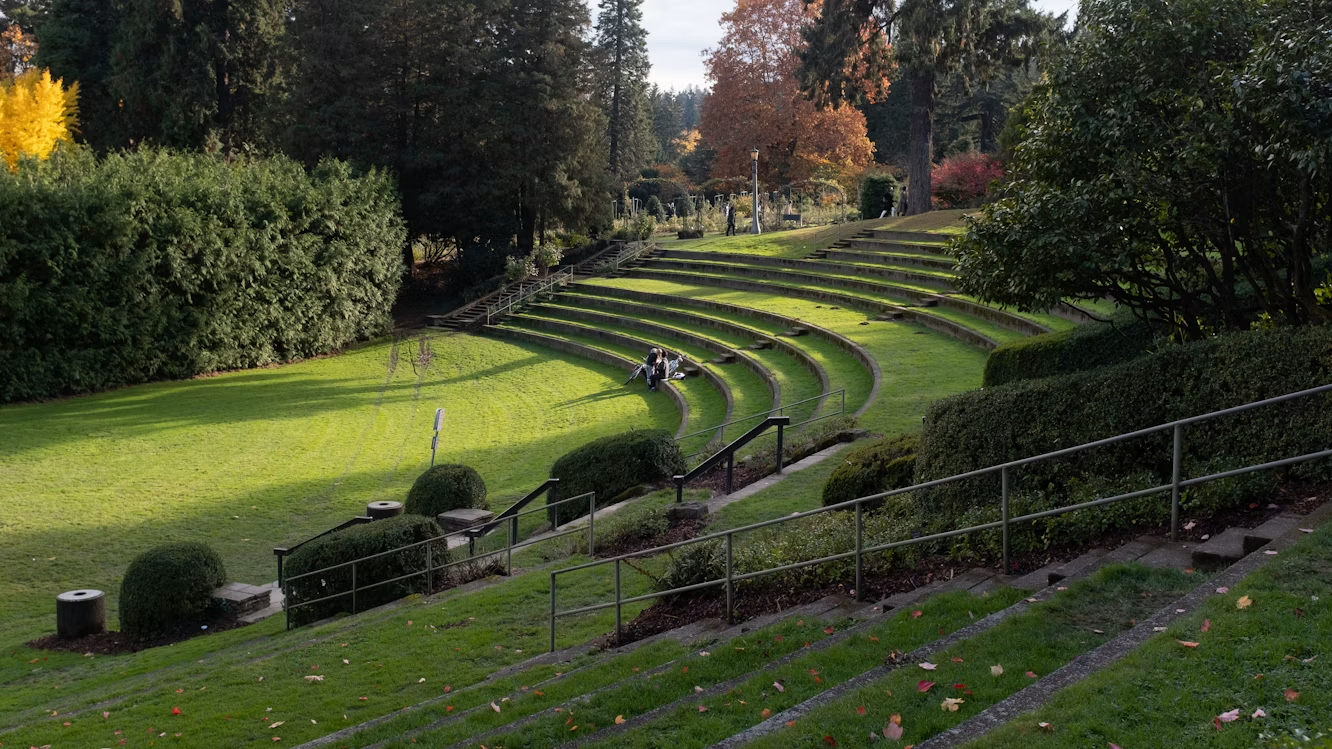
Terracing also does wonders for erosion control. On a bare slope, rain can wash away valuable topsoil, but level terraces slow the water down, letting it soak into the ground. This stability comes from well-built retaining walls, which are the backbone of any terraced design.
From an aesthetic point of view, a terraced garden adds huge visual interest, creating depth and structure that a simple lawn just can’t match.
Planning Your Terracing Project
A successful terracing project starts with careful planning. Begin by sketching out a design that shows how you want to use each level. Will one tier be for vegetables, and another for a fire pit and seating? Your plan should also include how you’ll get around, so think about where to put steps or pathways to connect the different levels.
It’s crucial to check with your local council about any rules or permits needed for retaining walls, especially if they’re above a certain height. Setting a budget is also a key step. Factor in the cost of materials, potential labour, and any necessary earthworks. A detailed plan, like a step-by-step building guide, will save you time and prevent expensive mistakes later on.
Building Durable Retaining Walls for Terraces
The retaining walls are the most important structural part of your terraced landscape. They absolutely have to be durable, because if they fail, it can be both dangerous and costly. Your choice of material depends on your budget, the look you’re going for, and the height of the wall.
Concrete sleepers are a popular, strong, and long-lasting choice, great for a clean, modern look, especially if you’re thinking about a house design on sloped land. They also resist rot and termites.
- Stone and Boulders: For a more natural, rustic feel, rock walls are an excellent option. They’re incredibly durable but need skilled hands to build them right.
- Timber: Treated pine or hardwood can create a warm, attractive wall, but make sure the timber is properly rated for in-ground use to stop it from decaying.
No matter what material you pick, good drainage behind the wall is vital. A layer of gravel and a perforated pipe at the bottom will stop water pressure from building up and weakening the wall.
Design Ideas for Multi-Level Outdoors
Once the main construction is done, you can focus on the fun part: the creative design. Terracing lets you create distinct “rooms” in your garden, each with its own purpose and feel.
- The Productive Level: Dedicate one terrace to a kitchen garden with raised beds for vegetables and herbs. Being on a level surface makes planting and harvesting much easier.
- The Entertainment Zone: A wider, lower terrace is perfect for a paved patio with outdoor furniture, a barbecue, or a fire pit, creating a dedicated space for socialising.
- The Relaxation Tier: A secluded upper terrace could become a quiet retreat with a bench, a water feature, and fragrant, colourful plants.
Use a mix of materials and textures to add interest. Combine stone paving with timber decking, and soften the hard lines of the walls with cascading plants like dichondra ‘Silver Falls’ or creeping thyme. Strategic lighting can highlight the different levels and make the space usable after dark.
By embracing the unique shape of your land, a terraced garden can turn a challenging property into a dynamic and highly functional outdoor asset. It’s an investment that pays off in both how you live and your property’s value.
Do you know someone who might enjoy this article or would find it useful? Share it!