
If you dream of sleek lines, function over form, and a distinct lack of clutter, a minimalist space is the answer. Find out how to create yours below.
Understand the minimalist movement
The very first thing you will need to do when creating your dream minimalist home is to make sure that you properly understand the movement. This is vital because any space that is going to be successful in this way will need to be underpinned by the ethos that is central to minimalism.
Of course, there are plenty of books and other resources you can use to read up on the minimalist movement, including Goodbye, Things by Fumio Sasaki, and Less is More by Jason Hickel. Although being clear on the main tenants which include cutting back on clutter, only placing things in your home environment if they have a purpose, using clean lines, and working with neutral colour pallets, is a good foundation on which to begin.
Gather inspiration
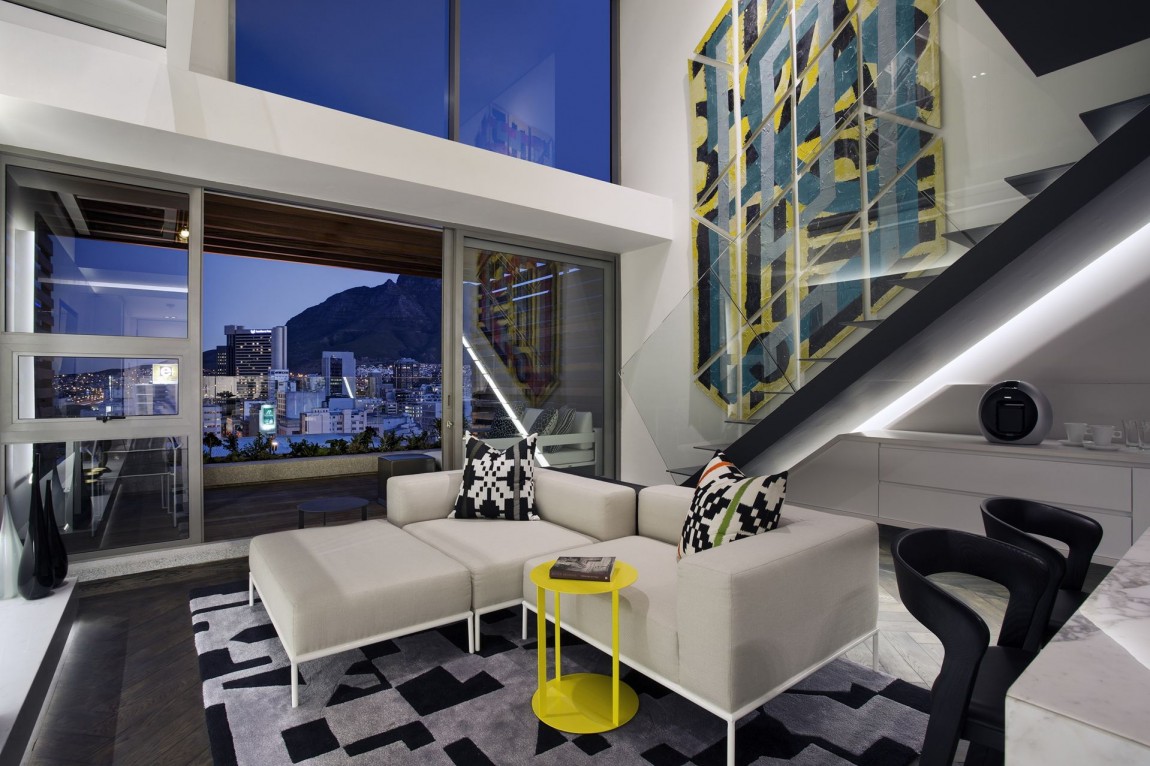
Next, it’s important that you gather inspiration for your minimalist home from pre-existing examples like this apartment, or the famous Barcelona Pavilion by Mies van der Rohe. This is particularly crucial as it will help you to see what the principles of minimalism truly look like when put into practice in real life.
One of the best ways to approach this is to use a mood board, either in real life or digitally, to collect examples of minimalist spaces that appeal to you. You may also find that while each space shares the same basic minimalist principles, they look and feel quite different depending on the design and function.
Plan your vision
The next task is to plan your minimalist vision, and this may well be far more difficult than you first think. After all, creating a space where function is at the forefront, while maintaining minimal clutter and decoration, flies against what we are most familiar with in design, and will require some serious thought. That is why many people choose to work with experts like CBI Design Professionals for the design process. In fact, working with experts will help save you a lot of heartache and additional costs later on, as they are perfectly positioned to get the design right well before building begins.
Plan your reality
While having an overview of the general concepts involved in a minimalist space is crucial, it’s also vital to drill down to the practical day-to-day level, and properly plan the reality of using such a space and keeping it as it’s intended to be.
A vital example of this is making sure that your design features plenty of storage space, preferably hidden and built in, so it does not interfere with the flow of your room, or encourage the build-up of clutter.
Another important factor to consider is choosing the right materials and making sure that you are consistent with these throughout your design and build. Good examples of this include the use of concrete finish throughout a space, using the same natural timber for flooring in multiple rooms, which makes a space seem larger, but also connected and maintaining that all-important flow.
Do you know someone who might enjoy this article or would find it useful? Share it!