
Leaks can be the silent destroyers of your home. From hidden plumbing issues to overlooked appliances, water leaks can invade and cost in repairs and in wasted water use. They often appear out of nowhere, occurring where no one would expect. In this blog, we will look at how to identify sneaky leak locations quickly so as to stop that continuous drip-drip-drip of wasted water.
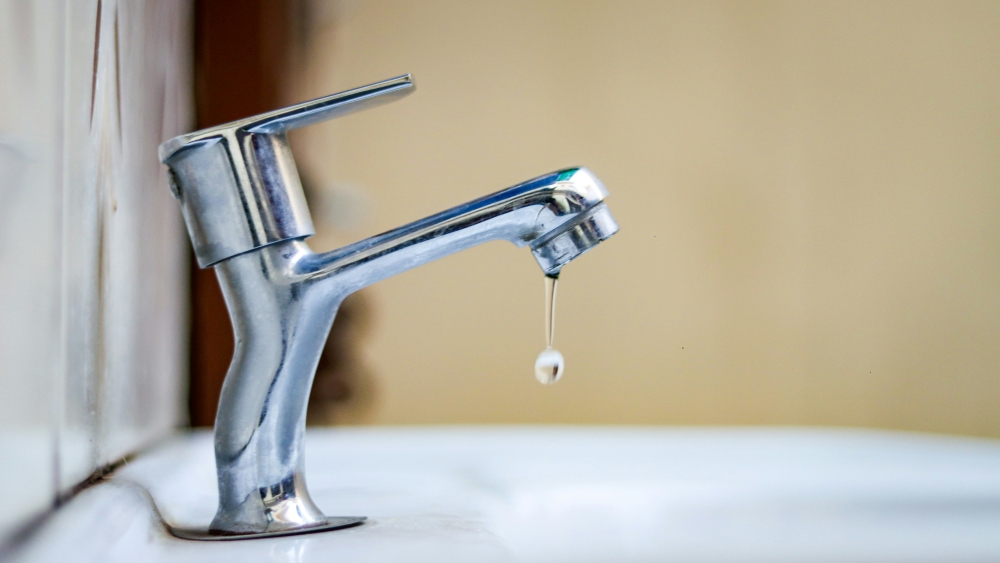 Photo by Sanket Mishra on Unsplash
The Insidious Pool Leak
Although pools provide an idyllic retreat, they also can become sources of unwitting water wastage. Over time, small cracks in their structures, worn-out seals, or poor plumbing could cause undetected leaks that consume vast quantities of water. If your pool’s water levels seem to be decreasing more quickly than normal (beyond normal evaporation), it may be worth conducting a “bucket test.” Simply place a bucket on one of its steps, fill it up to match its water level, and wait. Seeing water drain off faster outside your bucket indicates an imminent leak. So the best course of action would be calling in experts such as Integrity Pools, who specialize in swimming pool leak detection services. Pool experts can quickly pinpoint the source of leakage using cutting-edge techniques and equipment, so your problem is fixed promptly and effectively.
Dishwashers: Silent Yet Sinister
Your dishwasher can be a must-have household tool, but it could also become your leak nemesis. Old gaskets or connections that no longer fit properly could lead to silent leaks that go undetected until your kitchen floor squishes underfoot. Keep an eye out for pooled water or discolored cabinetry near the dishwasher. Regular inspections could save you from dealing with significant water damage later.
Gutters and Downspouts Misbehaving
Rainwater may not seem like the highest priority when you are concerned about the indoors, but improperly maintained gutters can lead to pooled water in places it shouldn’t. Clogged, overflowing, or disconnected gutters and downspouts allow excess rainwater into the foundations or walls of the homes. Keep these paths clear of debris to direct it safely away.
That Sneaky Toilet Flapper
Toilets can be notorious water wasters, particularly when their flapper (the piece of rubber that controls how water moves from tank to bowl) isn’t sealing tightly enough. A silent running toilet can waste hundreds of gallons per day. To detect leaks in your tank and bowl system, add several drops of food coloring and wait 15 minutes. If any color shows up without being flushed away, then congratulations, you have identified a leak you didn’t even know existed.
Leaky Faucets and Sinks: The Usual Suspects
While leaky faucets and sinks may seem obvious sources of leaks, they’re often ignored. A steady drip from a faucet can waste hundreds of gallons each year, yet hidden leaks could exist beneath the sink basin itself as well. Look for dampness, mold growth, or warped wood under there too. Simply run water down the sink before carefully inspecting pipes and connections underneath for signs of moisture.
Conclusion
Water leaks don’t stand a chance against an attentive homeowner. Spotting hidden danger zones, whether they are your pool, dishwasher, or gutters, is important to protecting your wallet and home from costly water damage. Routine inspections and maintenance programs will keep your house secure from leakage issues. Prevention is always cheaper (and less stressful) than a cure.
Do you know someone who might enjoy this article or would find it useful? Share it!