
Phoenix tap water looks clear and tastes fine to most people, but what’s dissolved in it tells a different story. The Phoenix Metro Area draws its municipal supply from the Colorado River via the Central Arizona Project canal, and from the Salt River and Verde River watersheds managed by the Salt River Project. All of these sources carry heavy mineral loads through desert terrain before the water reaches your tap. The effects go far beyond taste. Penguin Air, Plumbing & Electrical, a Phoenix-based plumbing and water quality company founded in 2011, has spent more than a decade tackling Valley hard water and sees those effects firsthand every day.
Phoenix Tap Water Is Some of the Hardest in the Country
Phoenix water quality typically measures between 200 and 300 parts per million of dissolved minerals. The U.S. Geological Survey classifies anything above 120 ppm as “very hard.” Greater Phoenix tap water blows past that threshold consistently, because the underlying river and groundwater sources do not change. Every household on the regional supply draws from the same mineral-rich sources, whether in a 1970s ranch home or a brand-new build. The damage builds quietly long before most homeowners notice.
5 Things Phoenix Hard Water Does to Your Home
1. It Slowly Narrows Your Pipes
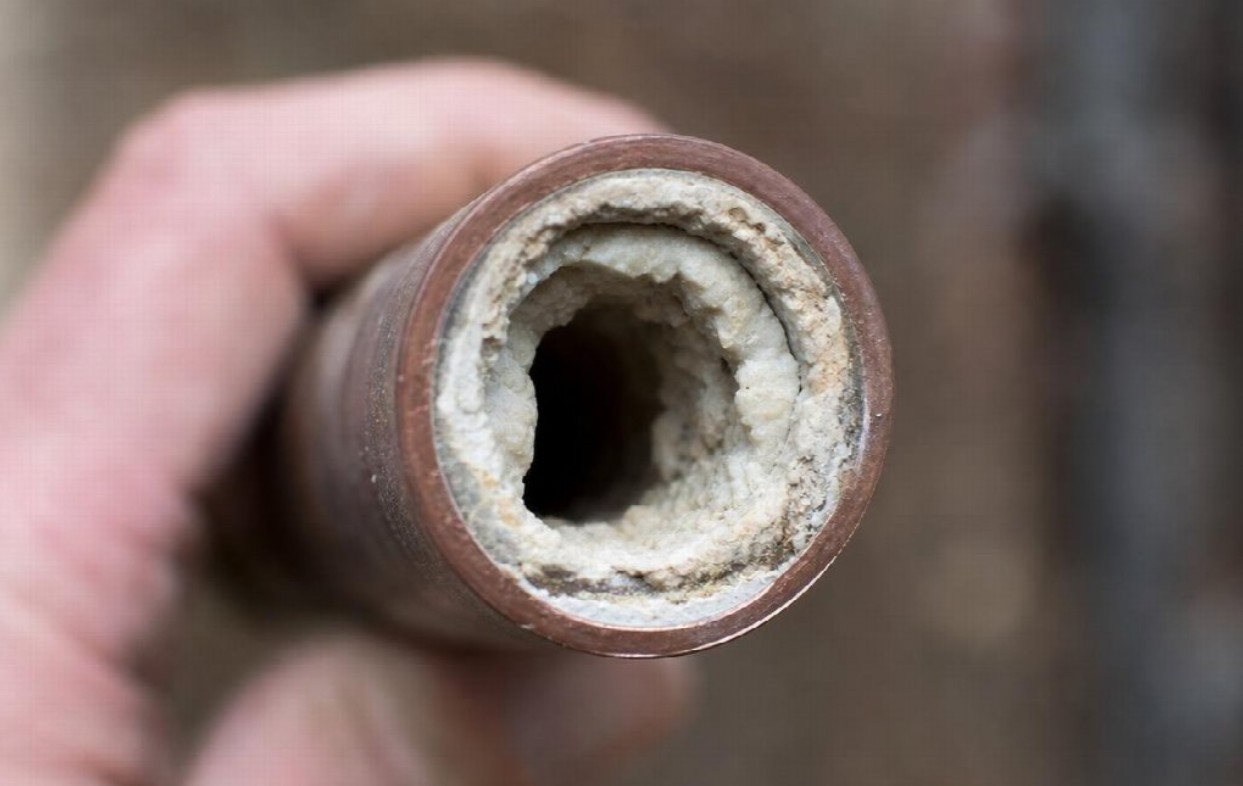
Calcium carbonate builds up on the interior walls of supply lines over time, shrinking the effective pipe diameter and reducing water pressure. Older homes in central Mesa and Chandler with aging copper or galvanized steel lines are especially vulnerable, because those metals corrode and scale simultaneously. A professional plumbing inspection can catch the narrowing before it requires a full repipe.
2. It Forces Your Water Heater to Work Harder
Mineral sediment settles at the bottom of tank water heaters, acting as an insulating layer that forces the unit to burn more energy for the same output. Tankless heaters scale up quickly in their narrow heat exchangers without regular descaling or a softener in place. Desert groundwater also runs warmer than the national average, compounding the stress. That combination shortens equipment life and raises energy bills, making annual tank flushing one of the best habits a Valley homeowner can build.
3. It Adds More Than Just Minerals to Your Water
Water drawn from the Colorado and Salt River systems can also carry trace chlorine, chloramines, and fine sediment. These are compounds that affect taste and odor in ways a softener alone cannot fix. Reverse osmosis water purifier installation from Penguin Air, Plumbing & Electrical is a popular option for cleaner-tasting drinking water at the kitchen tap. A water quality assessment can confirm what is present in a specific home’s supply.
4. It Coats Your Skin, Hair, and Surfaces in Soap Scum
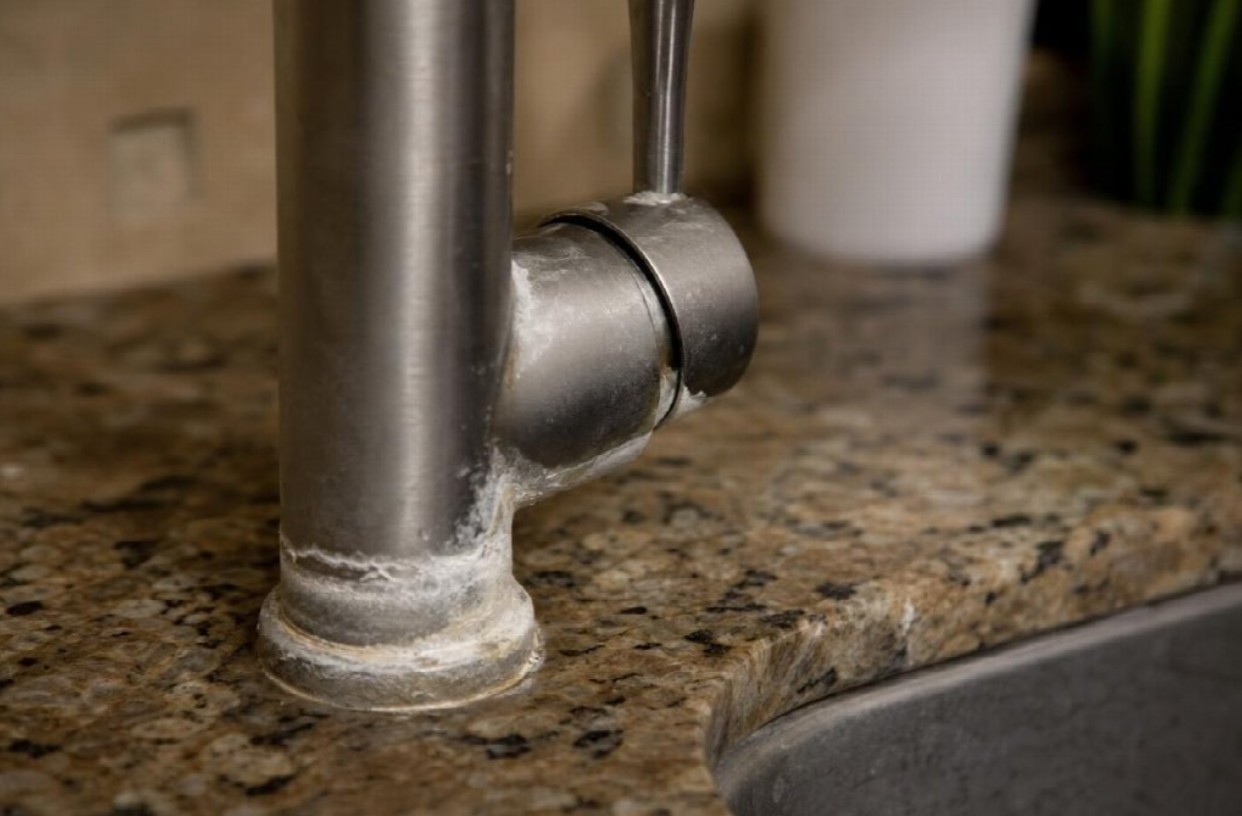
Hard water minerals react with soap to form an insoluble residue: the film on skin after a shower, the buildup on shower glass, and the dullness in hair and laundry over time. Softened water changes that chemistry: soap lathers fully, rinses clean, and noticeably less product is needed month after month.
5. It Shortens the Life of Your Appliances
Dishwashers, ice makers, refrigerator water lines, and coffee makers all accumulate white scale internally, reducing efficiency and cutting years off useful life. Many homeowners replace appliances far earlier than necessary due to damage a water softener could have slowed. A water softener protects the equipment already in place. Across the East and West Valley alike, a softener is basic home maintenance, not a luxury upgrade.
Frequently Asked Questions
Is Phoenix tap water safe to drink?
Yes. Municipal water in greater Phoenix meets all EPA Safe Drinking Water Act standards. The dissolved minerals, mainly calcium and magnesium, are not harmful at local concentrations. Hard water affects taste, odor, and long-term pipe and appliance condition, not safety.
How do I know if I have hard water?
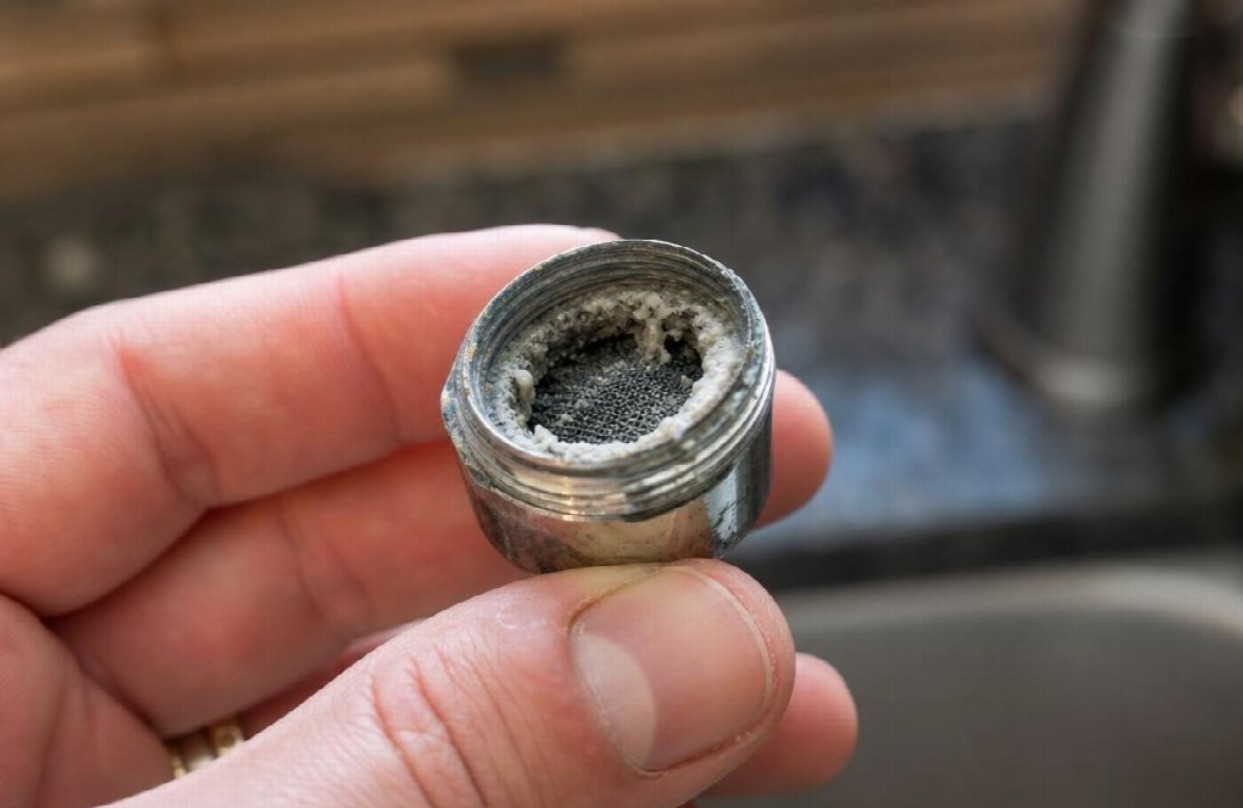
Look for white or yellowish scale around faucets, showerheads, and inside kettles or coffee makers. Soap that barely lathers, spotted dishes, and a chalky taste are common signs. An inexpensive test strip from any hardware store can confirm it, or a technician can run a precise grains-per-gallon measurement during a home assessment.
Will a water softener make my water taste better?
A salt-based softener removes the minerals behind that chalky, flat taste but adds a small amount of sodium. Pairing a softener with an under-sink reverse osmosis filter is the most effective setup for clean, great-tasting drinking water.
Does hard water damage water heaters in Phoenix specifically?
It does, and the desert climate makes it worse. Sediment insulates the tank bottom, forcing longer run times, while warmer Valley groundwater adds extra thermal stress. Annual flushing and a softener can meaningfully extend service life and protect the warranty.
How often should Phoenix homeowners have their plumbing inspected?
Every two to three years is a reasonable baseline in a hard water city. Homes with older galvanized or copper pipes, or any noticeable pressure drop, should be inspected sooner.
About Penguin Air, Plumbing & Electrical
Penguin Air, Plumbing & Electrical is a Phoenix-based home services company founded in 2011, serving the greater Phoenix Metro Area with HVAC, plumbing, and electrical services. The company holds a BBB A+ Rating, has maintained BBB Accreditation since its founding year, and earned the BBB Business Ethics Award. With more than a decade treating some of the hardest water in the country, the team has installed water softeners and reverse osmosis systems in homes from the East Valley to the West Valley.
Business Name: Penguin Air, Plumbing & Electrical
Address: 3710 E University Dr # 1, Phoenix, AZ 85034
Phone Number: (480) 525-5400
Do you know someone who might enjoy this article or would find it useful? Share it!