
 Image Credit: Unsplash
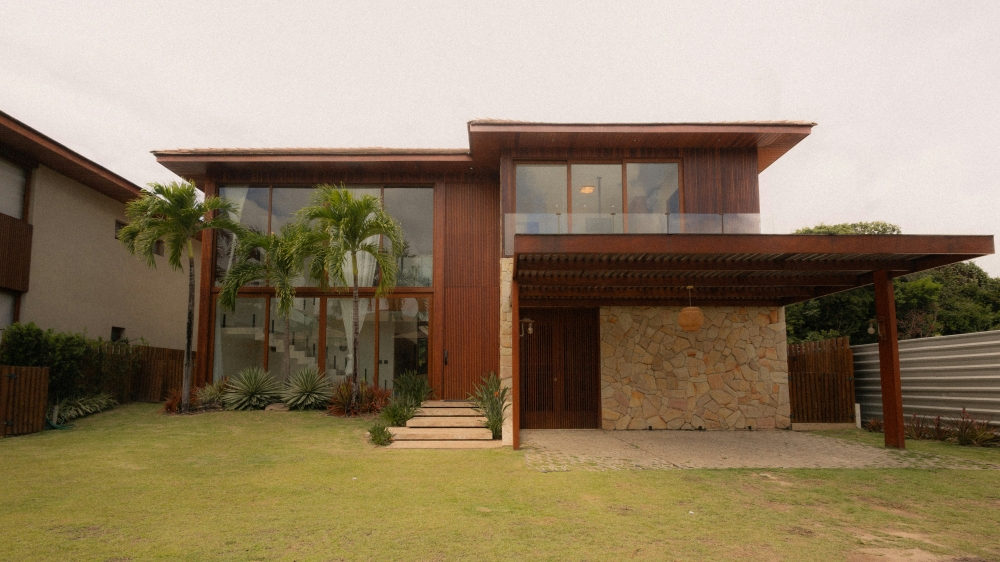
The clean lines, expansive glass walls, and seamless connection to nature are what make modern architecture so special. And while mature trees really enhance this look, they can also become a big problem during bad weather. When strong winds and heavy rain hit, a falling tree or even a heavy branch can cause serious damage to your home’s structure and design. Knowing how to get ready for and react to a tree emergency is crucial for protecting your property.
Weathering the Storm: Home Protection
The best way to protect your trees from storm damage is to take care of them before a storm even brews. Before storm season kicks in, take a stroll around your yard and check out the trees closest to your house. Regular maintenance can often stop emergencies from ever happening. This means smart pruning to thin out the canopy, which lets wind pass right through instead of pushing against the tree like a giant sail. Getting rid of dead or weak branches also makes sure they don’t break off and turn into dangerous projectiles.
For a really thorough check-up, it’s always a good idea to call in a pro. A certified arborist knows just what to look for, spotting hidden issues you might miss, and can safely handle all the necessary trimming. This preventative step helps safeguard your home’s unique architectural features, from those huge picture windows to cool cantilevered roofs, making sure your landscape adds to your home’s design instead of posing a threat.
Identifying Hazardous Trees
Some tree hazards are pretty obvious, but others are a bit sneakier. Knowing what to keep an eye out for can help you catch a problem before it turns into a full-blown crisis. A tree might be at high risk of falling if it shows certain warning signs. One of the most common signs of a hazardous tree is seeing big, dead branches up in the top part of the tree.
Really pay attention to the tree’s overall shape and how healthy it looks. Here are a few key things to watch for:
- Cracks or splits: Deep cracks in the trunk or on major limbs often mean the tree is structurally weak.
- Leaning: If a tree suddenly starts to lean, especially if the ground around its base looks like it’s lifting, its root system might be failing.
- Decay: Look for hollow spots, soft or crumbling wood, and even mushrooms growing on the trunk or near the roots. These are clear signs that the inside of the tree is decaying.
- Root problems: Roots that have been cut or damaged from recent construction or digging can make a tree unstable.
If you spot any of these issues, it’s definitely time to call in a professional for a closer look.
Swift Response for Safety
If a storm brings down a tree or a big branch onto your property, your number one priority is safety. Don’t go outside to check for damage until the storm has completely passed. If a tree has fallen on your house, get everyone out immediately if it’s safe to do so, and then call for emergency help. Never, ever go near a fallen tree if it’s tangled with power lines; always assume any downed wire is live and stay far away.
Once you’re sure everyone is safe, you can start to safely check out the damage from a distance. Snap some photos of the tree and any spots where it hit your home for insurance purposes. Contact your insurance provider to report what happened and find out what your policy covers. After that, you’ll need to arrange for emergency tree removal services. A professional crew will have the right gear to take apart and remove the tree without causing even more damage to your home.
Post-Emergency Landscape Recovery
After the immediate danger is gone, it’s time to focus on getting things back to normal and restoring your property. Losing a mature tree can really change how your yard looks and how it connects with your home. This is actually a great chance to thoughtfully redesign your landscape, helping prevent future issues while also boosting your home’s modern aesthetic. A newly cleared space might open up amazing new views or let more natural light flood into your living areas.
When you think about replanting, pick trees known for their strong wood and ability to handle local weather. Also, think carefully about where you plant them. Putting new trees a safe distance from your home’s foundation, roofline, and utility lines can help avoid similar emergencies down the road. Restoring your landscape isn’t just about cleaning up; it’s about creating a safer, tougher, and more beautiful environment that will complement your home’s design for many years to come.
Taking these steps ensures that the trees on your property remain a beautiful part of your home, not a potential headache. Proactive maintenance and a clear plan for emergencies will help you protect the architectural integrity and value of your modern home.
Do you know someone who might enjoy this article or would find it useful? Share it!